Why this works
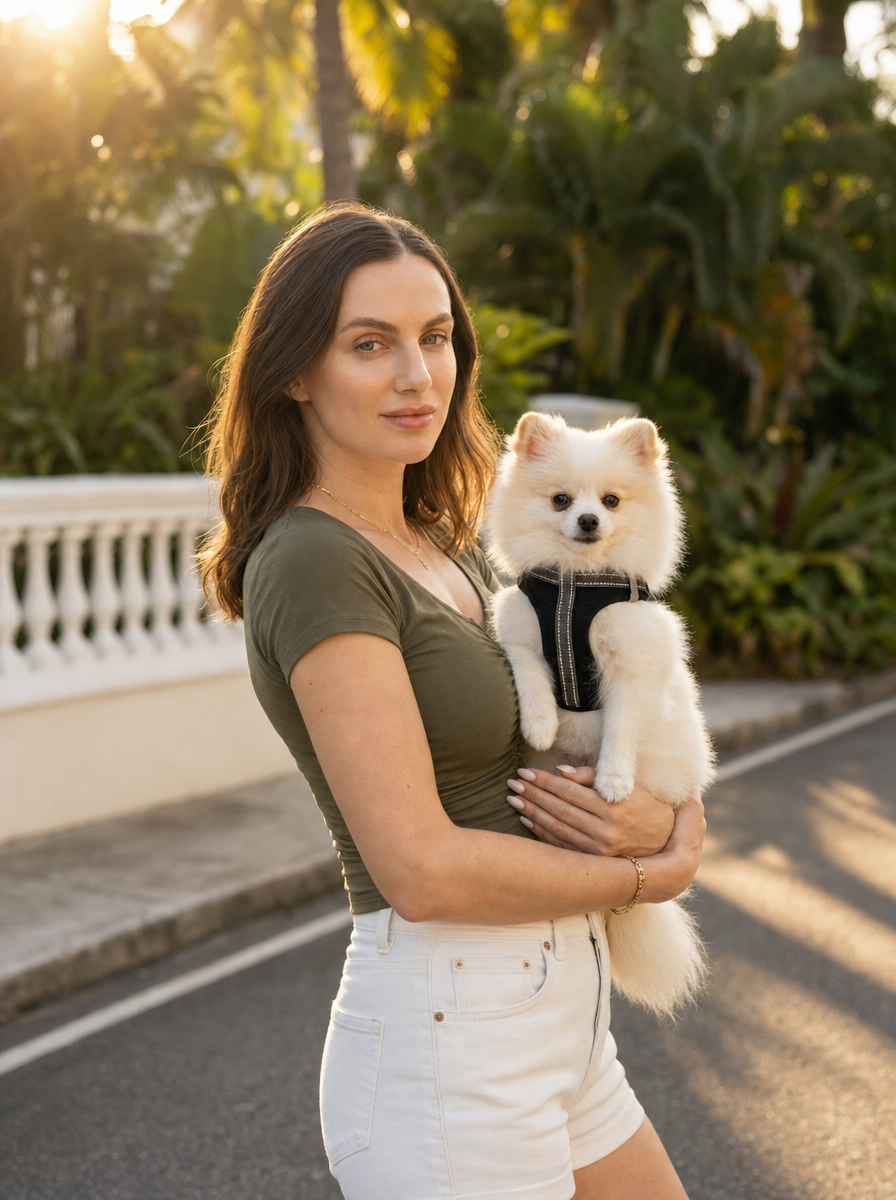
“Editorial lifestyle framing” and the “portrait-full-body” composition keep both the woman and the Pomeranian readable while preserving the street context. The “fitted olive-green blouse and white shorts” set a restrained tropical palette, while “late afternoon with softer amber light” supplies the calm warmth; “shallow depth of field” separates them from the “lush green palm trees and a white balustrade” without removing the setting. The cream dog, black harness, and white architectural background create clear light-dark accents that support the prompt’s elegant, photorealistic finish.
FAQ
→How do I make the Pomeranian the visual focus instead of the woman?
Replace “editorial lifestyle framing” with “dog-centered editorial portrait framing,” and add “the fluffy cream-colored Pomeranian in sharp focus in the foreground, filling more of the lower frame.” Keep “shallow depth of field,” but change the subject wording to “woman softly blurred behind, holding the dog.”
→How do I make the scene feel more glamorous and less casual?
Replace “calm, warm, elegant” with “refined luxury editorial glamour,” change “fitted olive-green blouse and white shorts” to “tailored ivory silk blouse and high-waisted cream trousers,” and add “polished styling, subtle gold jewelry, sophisticated resort fashion.” Keep “soft amber light” so the warmer atmosphere remains controlled.
→How do I build a matching series with different outfits and tropical locations?
Keep the fixed phrases “photorealistic editorial lifestyle portrait,” “young woman holding a fluffy cream-colored Pomeranian dog wearing a black harness,” “portrait-full-body,” and “shallow depth of field.” For each variation, replace “warm tropical street” and its background details with settings such as “botanical garden walkway with stone arches,” “coastal resort terrace with white columns,” or “lush courtyard with terracotta walls,” then swap the outfit phrase while retaining “late afternoon soft amber golden-hour warmth” for visual continuity.
Learn the technique behind this
- Why can't AI spell, and how do I get readable text in an image? — Older diffusion models had no character-level representation of text, so they produced letterform-shaped texture instead of words.
- Why does the model ignore parts of my prompt? — Ignored instructions are almost always conflicts, counts, or spatial relationships — three things current models handle badly — rather than the model failing to read you.
- Why does AI get hands and faces wrong, and how do I fix it? — Hands fail because they're small in frame, extremely variable in pose, and self-occluding — the model has less usable signal per pixel than for any other body part.
Related prompts
Cream Longhaired Cat in Warm Dusty-Rose Light
Warm Studio Laughter With Brown Puppy
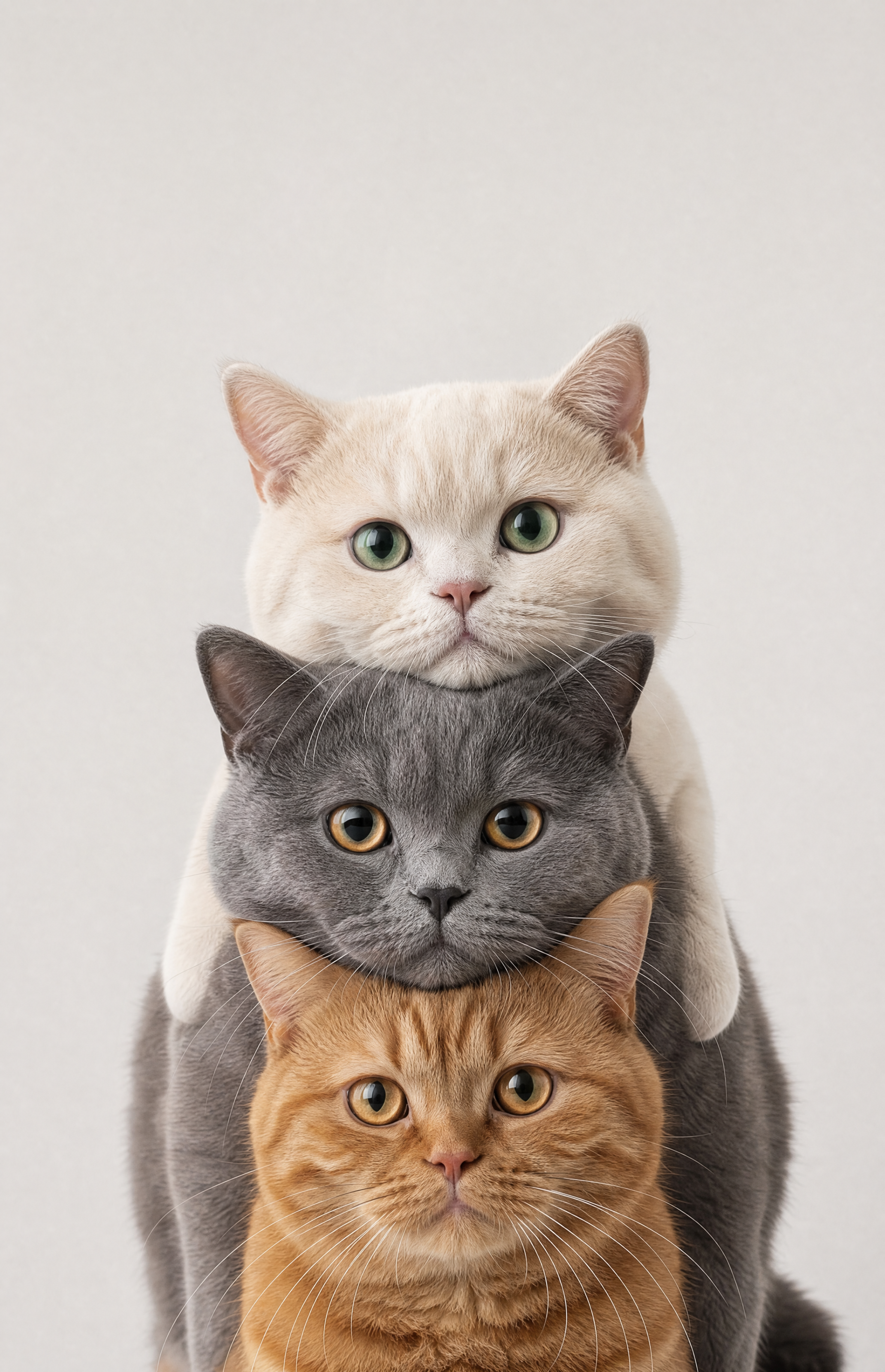
Cream, Smoky Gray, and Ginger Tabby Stacked Cats
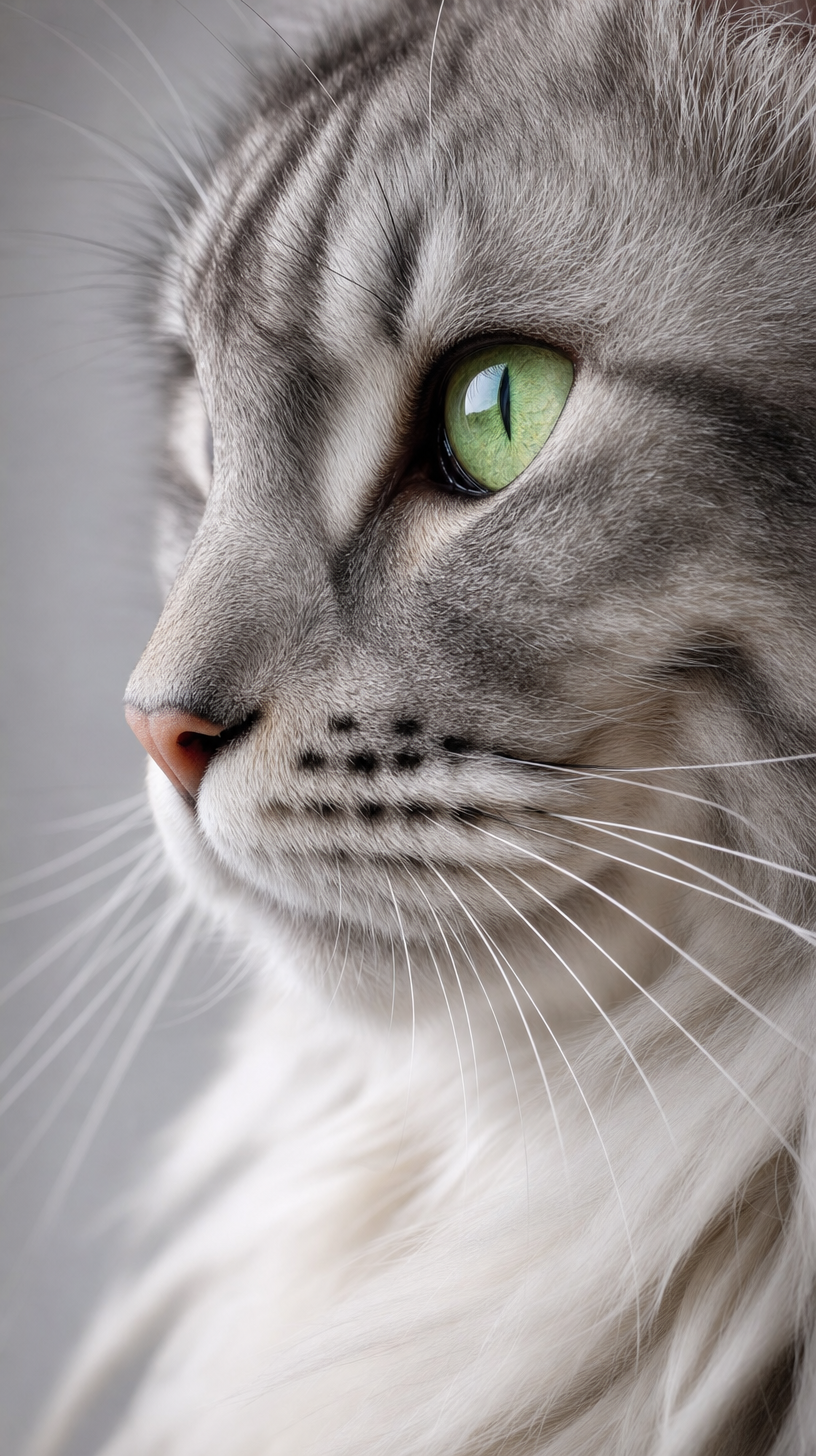
Long-haired gray tabby cat with green eyes