Why this works
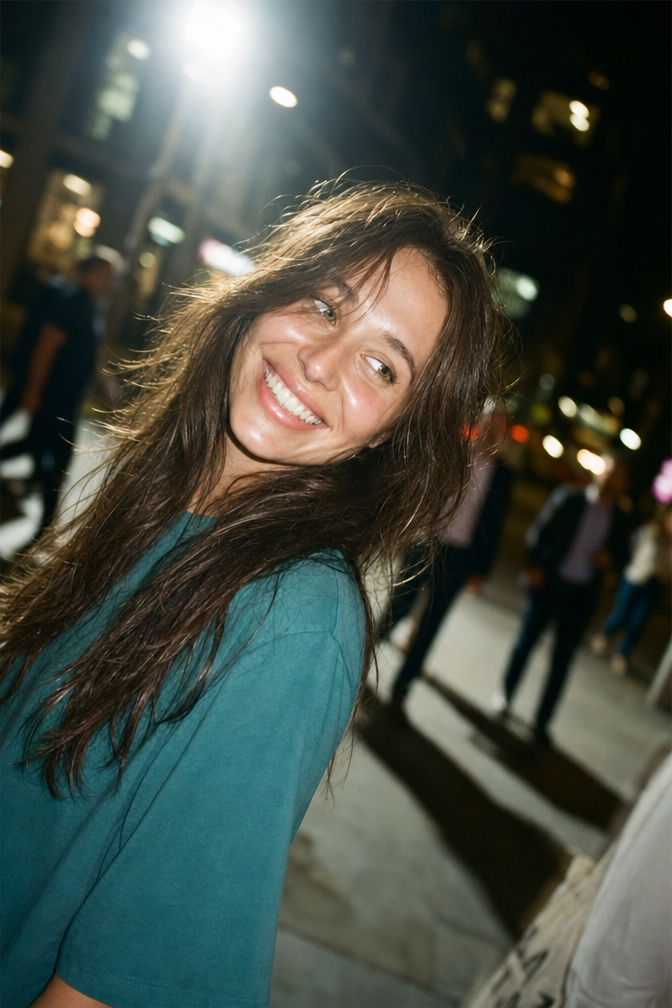
The close portrait framing comes from “smiling young woman” captured “mid-turn with her head angled toward the camera,” while “shallow depth of field” and a “softly blurred” street isolate her face from the scene. The playful, spontaneous mood is pinned by “candid,” “spontaneous unposed moment,” and “gentle soft motion blur,” while “harsh direct flash” and “strong highlights” supply the slightly glamorous snapshot energy. The mostly black-and-gray background reflects the “nighttime city street,” “indistinct pedestrians,” and blurred bokeh, with the “teal top” providing the clearest color accent against those darker tones.
FAQ
→How do I make the woman’s face and expression more central and prominent?
Replace “portrait-closeup” with “tight head-and-shoulders close-up,” and change “shallow depth of field separating her from the background” to “extremely shallow depth of field with sharp focus locked on her eyes and smile.” Remove or reduce “indistinct pedestrians” so the background contributes less visual competition.
→How do I make the image moodier and less glamorous?
Replace “Harsh direct flash creates strong highlights and a bright flash look” with “dim ambient street light with subdued, directional fill and deep shadows,” and change “slightly glamorous yet authentic” to “raw, gritty, unpolished documentary snapshot.” Keep “warm, natural skin tones” if you want the face to remain inviting rather than cold.
→How do I create a consistent series of variations from this prompt?
Keep the fixed anchors “35mm snapshot/disposable camera aesthetic,” “harsh direct flash,” “warm, natural skin tones,” and “teal top,” then vary one scene phrase at a time: replace “nighttime city street” with “late-night diner entrance,” “subway platform,” or “rainy crosswalk.” Preserve “captured mid-turn” and swap the action to “laughing over her shoulder,” “adjusting an earring,” or “stepping out of a taxi” for related candid frames.
Learn the technique behind this
- Why can't AI spell, and how do I get readable text in an image? — Older diffusion models had no character-level representation of text, so they produced letterform-shaped texture instead of words.
- Why does the model ignore parts of my prompt? — Ignored instructions are almost always conflicts, counts, or spatial relationships — three things current models handle badly — rather than the model failing to read you.
- How should a prompt be structured, and does word order matter? — A prompt that behaves predictably names one subject first, then what it is doing, then where, then the light, then the lens or medium, then the style.
Related prompts
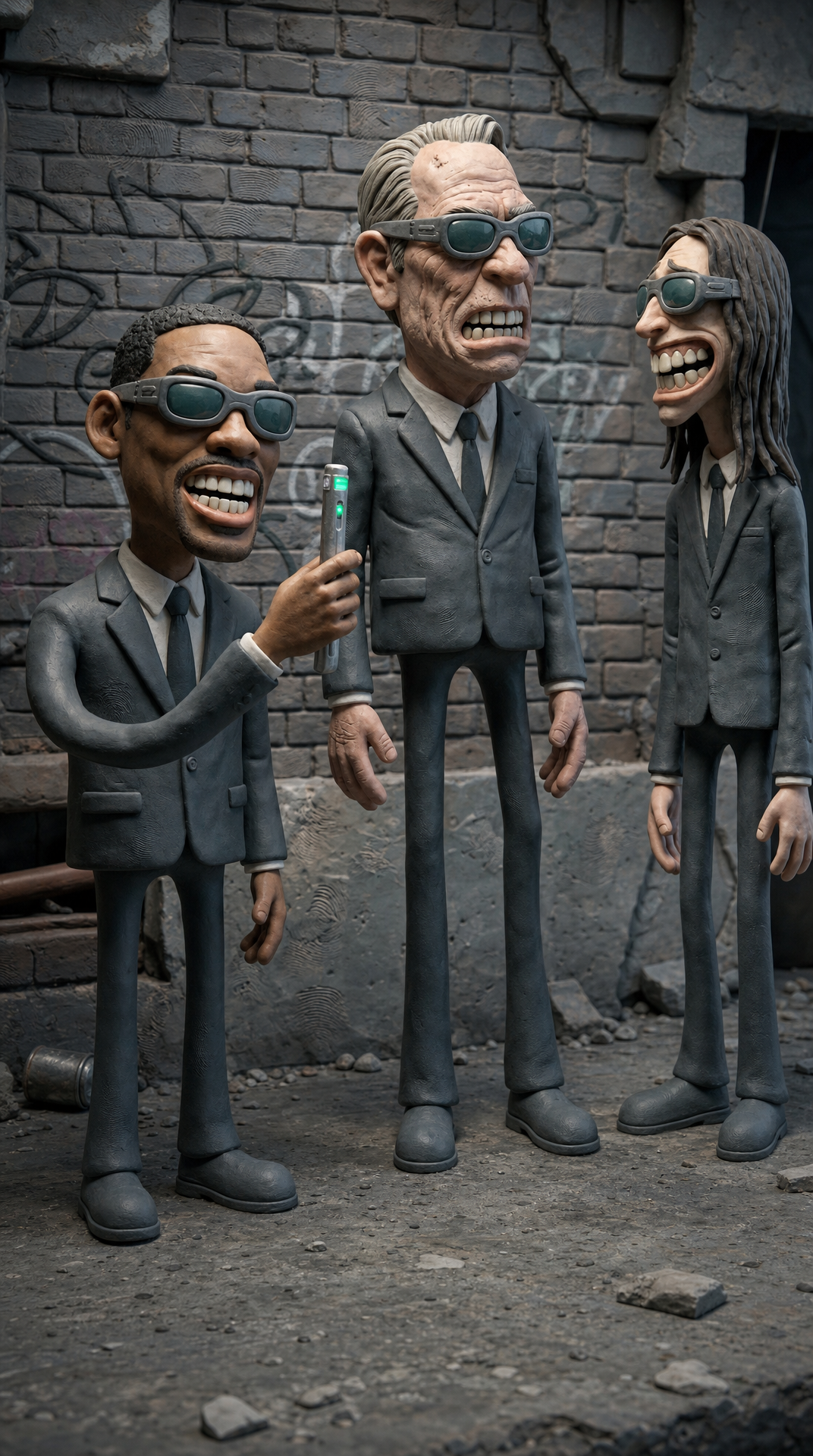
Grotesque Claymation Gangsters in Gritty Alley
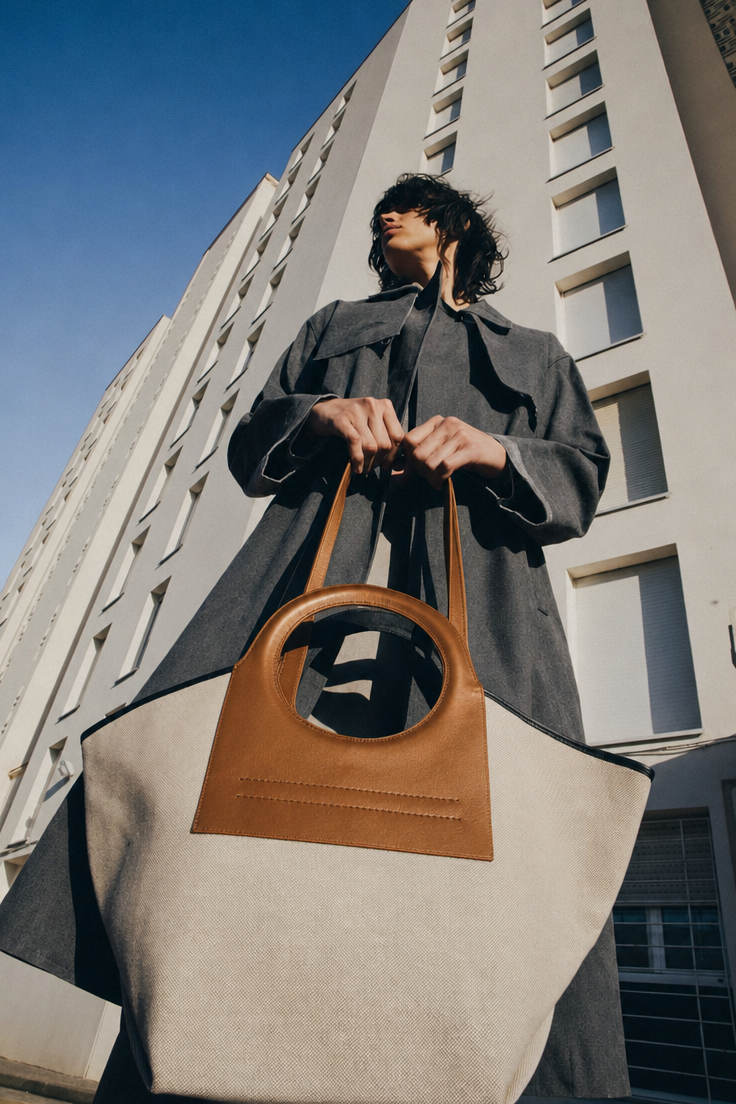
Charcoal coat with tan-handled tote
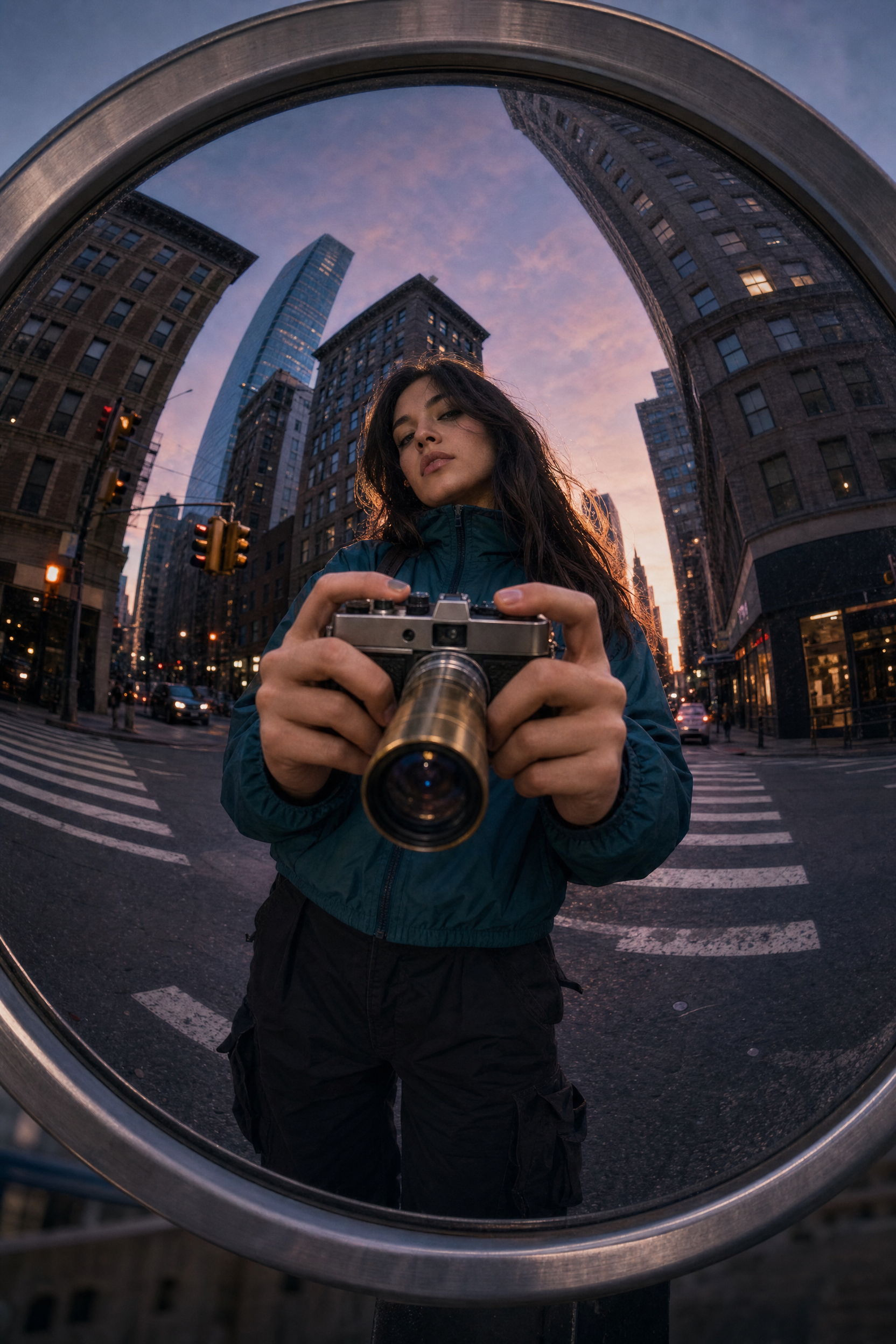
Woman in Teal Jacket Capturing Twilight Reflection
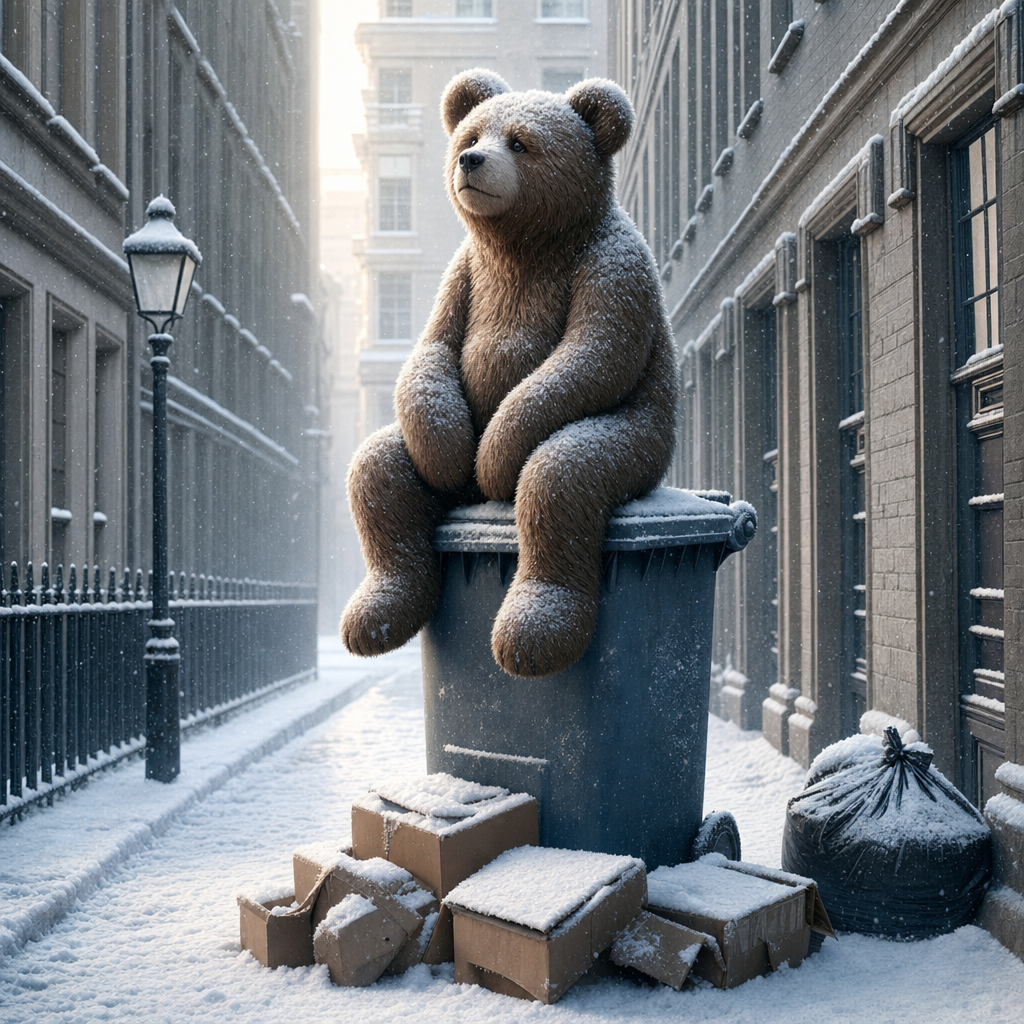
Stuffed Bear on Winter Dumpster at Dawn