Why this works
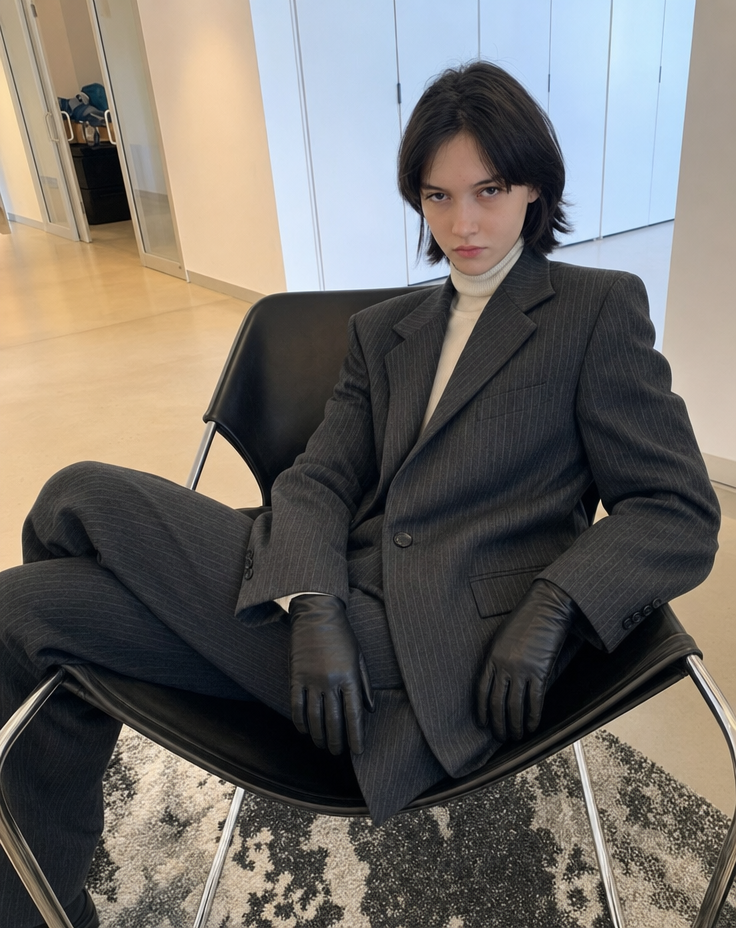
The confident, restrained mood comes from the exact combination of “oversized charcoal pinstripe suit,” “fitted black leather gloves,” and “cool understated mood,” while “slightly more upright relaxed reclining pose” keeps the posture composed rather than rigid. “Minimalist bright interior,” “sleek pale concrete,” and “soft shadow gradients” create the clean black-white-beige harmony visible across the chair, background, suit, and turtleneck. “Portrait-full-body framing” establishes the model’s full seated silhouette, while “shallow depth of field” and “crisp fabric texture” keep attention on the tailored materials without losing the architectural setting entirely.
FAQ
→How do I make the model feel more commanding and central?
Replace “slightly more upright relaxed reclining pose” with “upright seated pose, shoulders squared, direct authoritative gaze,” and change “portrait-full-body framing” to “medium full-body fashion portrait with the model centered and dominant.” Keep “modern black chair” if you want the strong dark anchor, or replace it with “sculptural black chair framing the figure.”
→How do I shift this from cool and understated to warmer and more approachable?
Replace “soft diffused daylight” with “warm late-afternoon window light,” “cool understated mood” with “warm, quietly intimate mood,” and “sleek pale concrete” with “pale warm plaster and light oak architectural interior.” Change “cream turtleneck” to “soft ivory knit turtleneck” to preserve the neutral palette while adding tactile warmth.
→How do I create a consistent series of variations from this portrait?
Keep the fixed anchors “young androgynous model,” “oversized charcoal pinstripe suit,” “cream turtleneck,” “fitted black leather gloves,” “candid magazine style,” and “portrait-full-body framing.” For each variation, change only one controlled block, such as replacing “sleek pale concrete” with “brushed steel gallery interior,” “soft diffused daylight” with “hard window sunlight,” or “modern black chair” with “low cream lounge chair,” so the wardrobe and editorial identity remain consistent.
Learn the technique behind this
- Why can't AI spell, and how do I get readable text in an image? — Older diffusion models had no character-level representation of text, so they produced letterform-shaped texture instead of words.
- Why does the model ignore parts of my prompt? — Ignored instructions are almost always conflicts, counts, or spatial relationships — three things current models handle badly — rather than the model failing to read you.
- Why does AI get hands and faces wrong, and how do I fix it? — Hands fail because they're small in frame, extremely variable in pose, and self-occluding — the model has less usable signal per pixel than for any other body part.
Related prompts
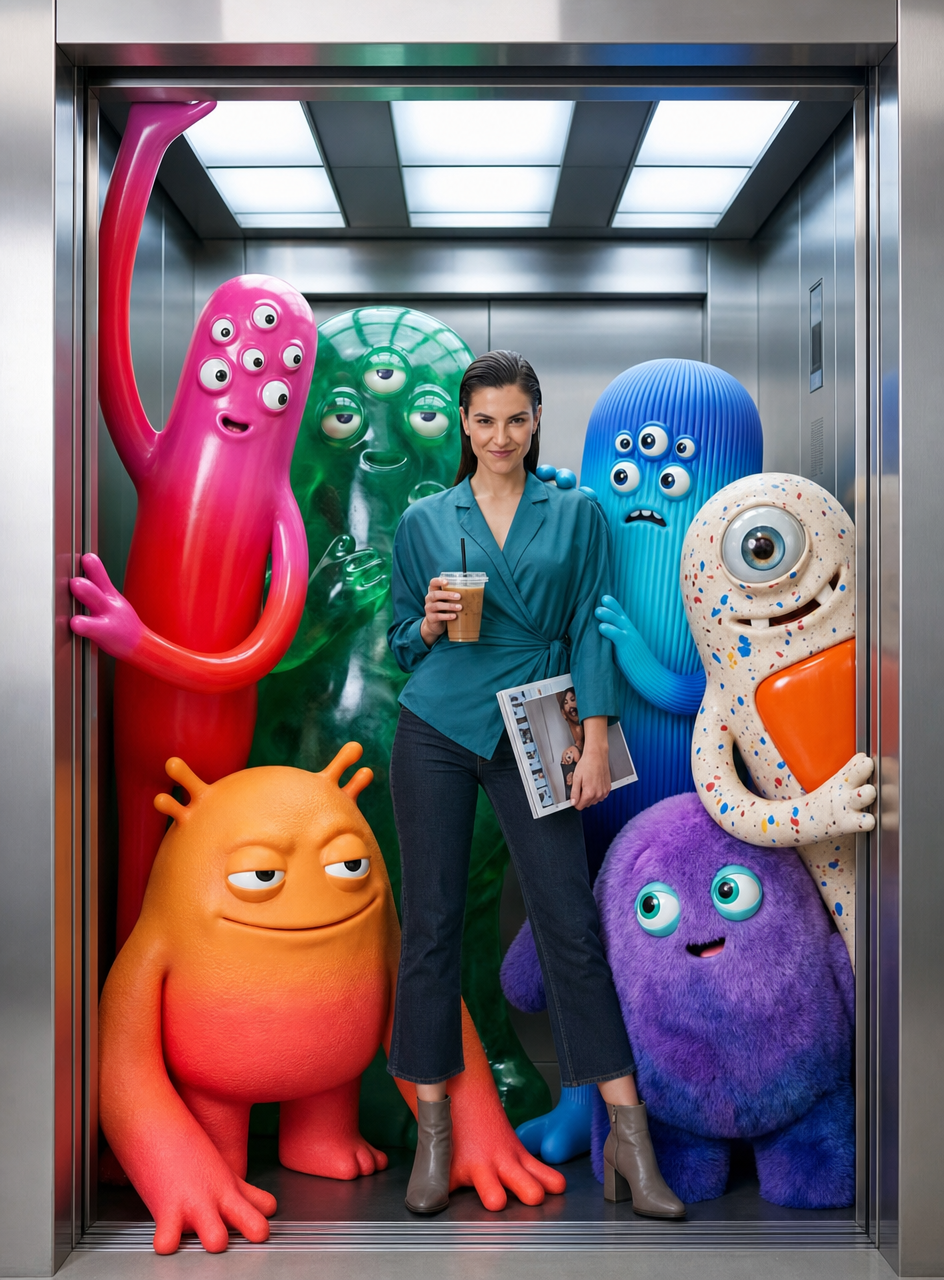
Teal fashion editorial in monster-filled lift
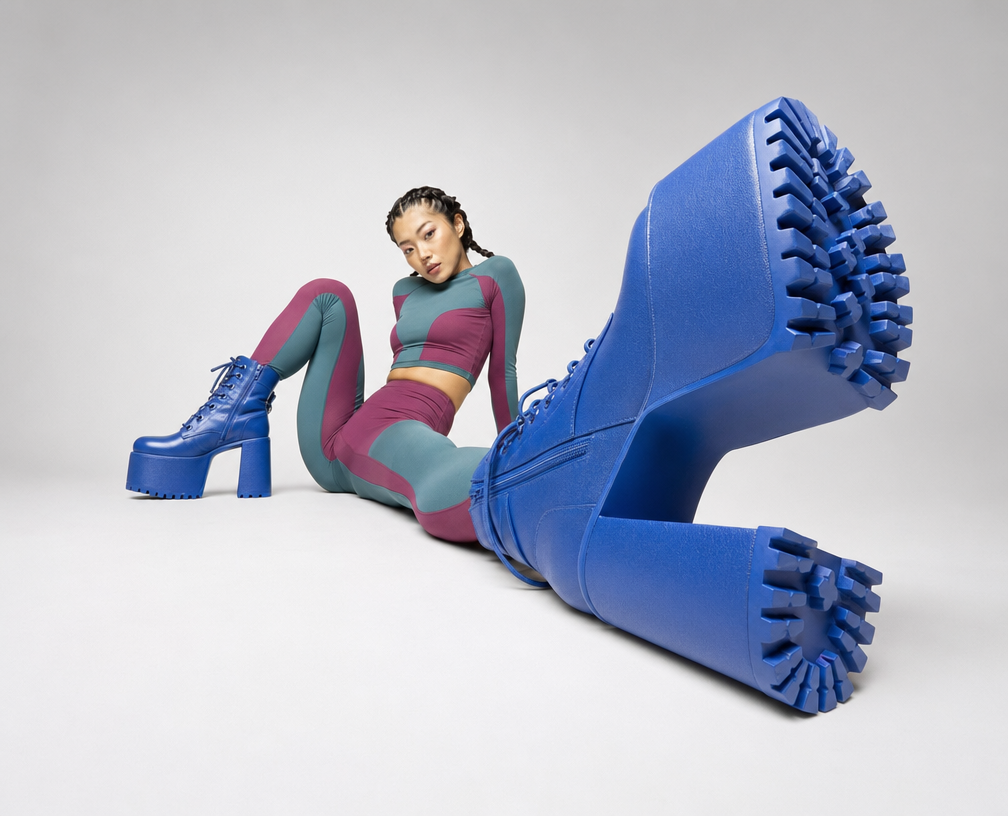
Cobalt Boots in Sleek Studio Edit
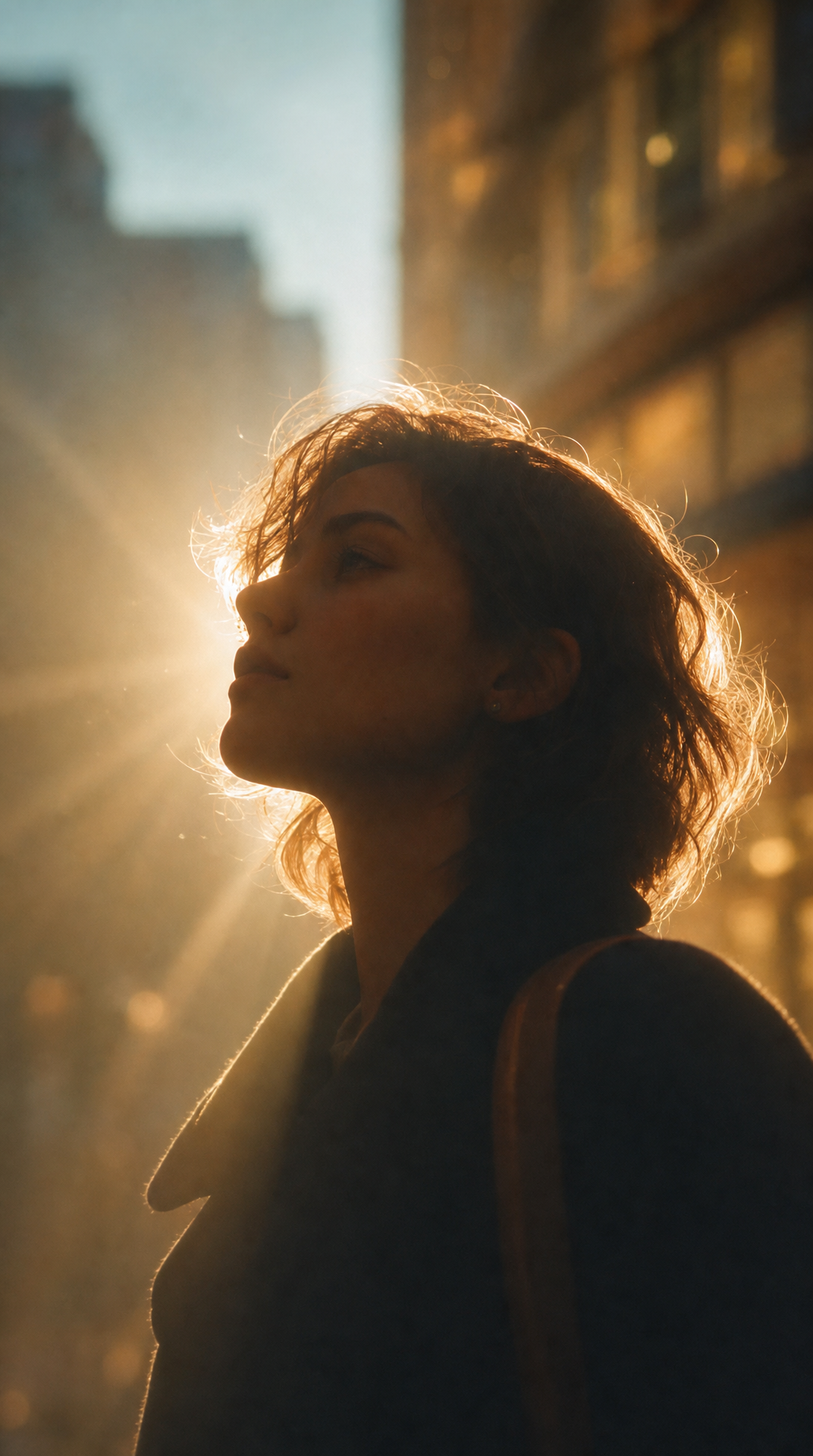
Silhouette Influencer by Sunlit Window
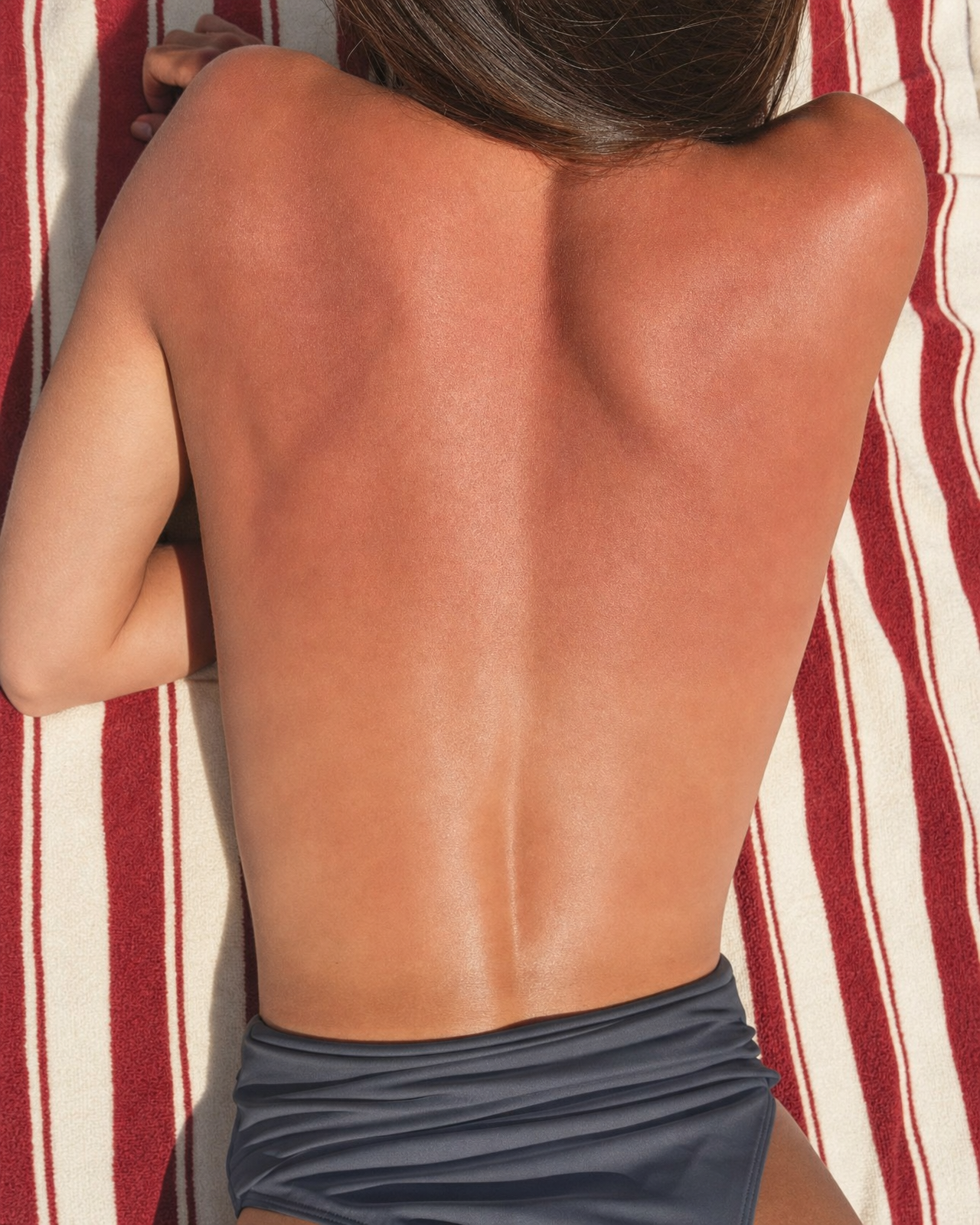
Sunlit editorial on striped beach towel