Same prompt, generated with each model separately — click one to see how it holds up.
Why this works
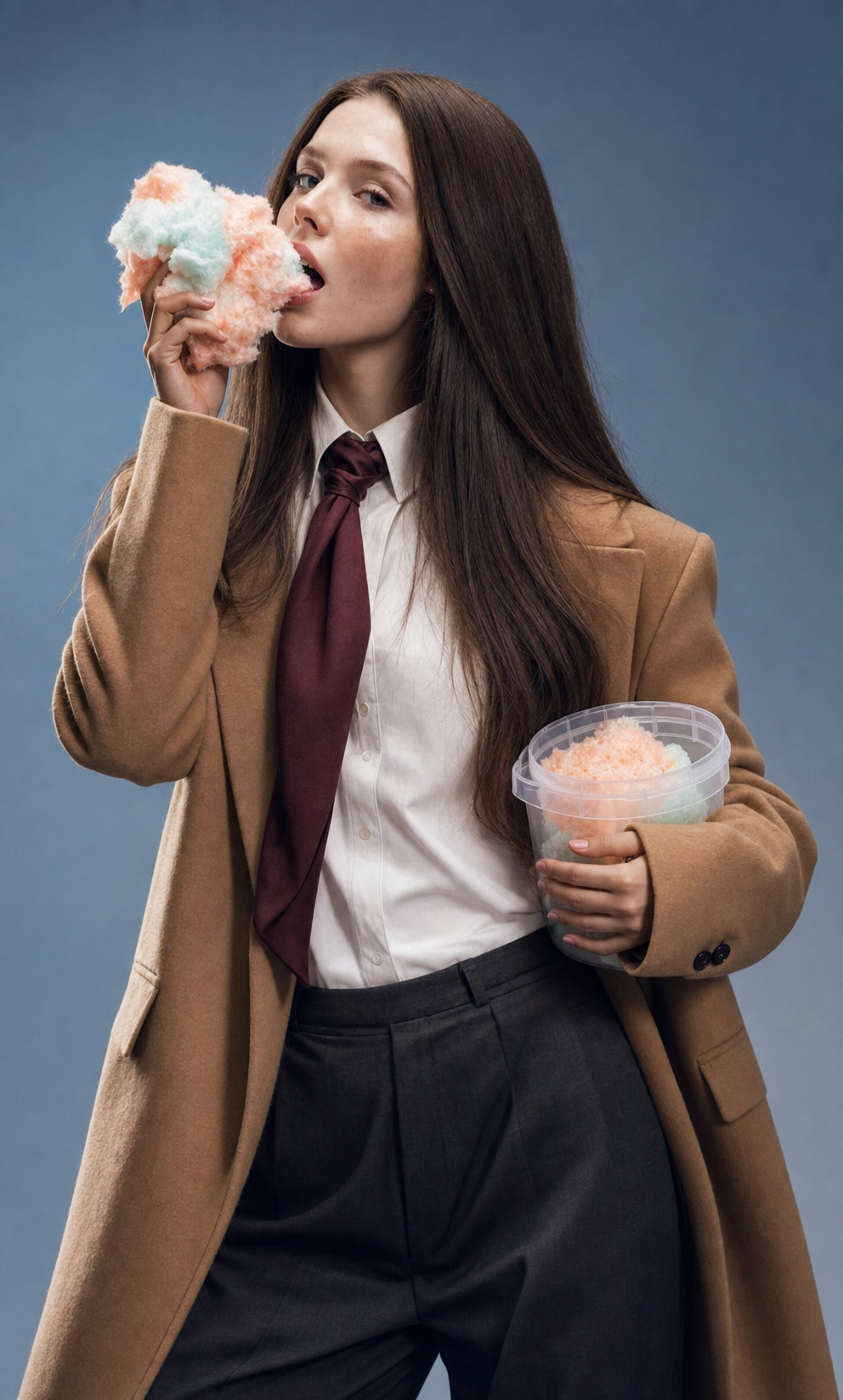
The playful tension comes from pairing the polished clothing phrases “tailored camel overcoat,” “crisp white blouse,” “solid burgundy neck scarf,” and “high-waisted black trousers” with the unexpected action “eating fluffy pastel cotton candy.” “Plain light-gray background” and “clean, minimalist studio backdrop” keep the full-body portrait uncluttered, while “upper body and hands” makes the cotton candy and clear tub readable; “soft highlights” and “high-detail realistic textures” preserve the editorial, photorealistic finish. The visible blue, brown, white, and pink balance the camel-and-black tailoring with the pastel prop, giving the image a controlled fashion palette with a deliberately whimsical accent.
FAQ
→How do I make the cotton candy the main visual focus?
Replace “portrait framing on the upper body and hands” with “tight close-up framing centered on her face, hands, and oversized cotton candy,” and change “fluffy pastel cotton candy (peach and light mint)” to “large, abundant cotton candy in vivid peach and light mint, filling the foreground.” Keep the tailored clothing, but reduce “high-waisted black trousers” to a partial lower-frame detail so the prop dominates.
→How do I make this fashion shoot feel more dramatic and luxurious?
Replace “plain light-gray background” with “deep charcoal studio background” and “studio lighting with soft highlights” with “dramatic sculpted side-lighting with crisp rim highlights and controlled shadows.” Change “playful, quirky stylish mood” to “luxurious, avant-garde editorial mood,” while retaining the camel overcoat and burgundy scarf as the warm color anchors.
→How do I turn this into a coordinated series of variations?
Keep “photorealistic fashion editorial portrait,” “clean, minimalist studio backdrop,” and the same portrait-full-body composition fixed across every image. Create variants by replacing “pastel cotton candy (peach and light mint)” and “clear plastic tub” with paired props such as “lavender ice cream in a glass coupe,” “silver balloon bouquet,” or “bright lemon cake on a white plate,” while changing the scarf phrase to matching colors such as “solid cobalt-blue neck scarf” or “solid pale-pink neck scarf.”
Learn the technique behind this
- Why can't AI spell, and how do I get readable text in an image? — Older diffusion models had no character-level representation of text, so they produced letterform-shaped texture instead of words.
- Why does AI get hands and faces wrong, and how do I fix it? — Hands fail because they're small in frame, extremely variable in pose, and self-occluding — the model has less usable signal per pixel than for any other body part.
- How should a prompt be structured, and does word order matter? — A prompt that behaves predictably names one subject first, then what it is doing, then where, then the light, then the lens or medium, then the style.
Related prompts
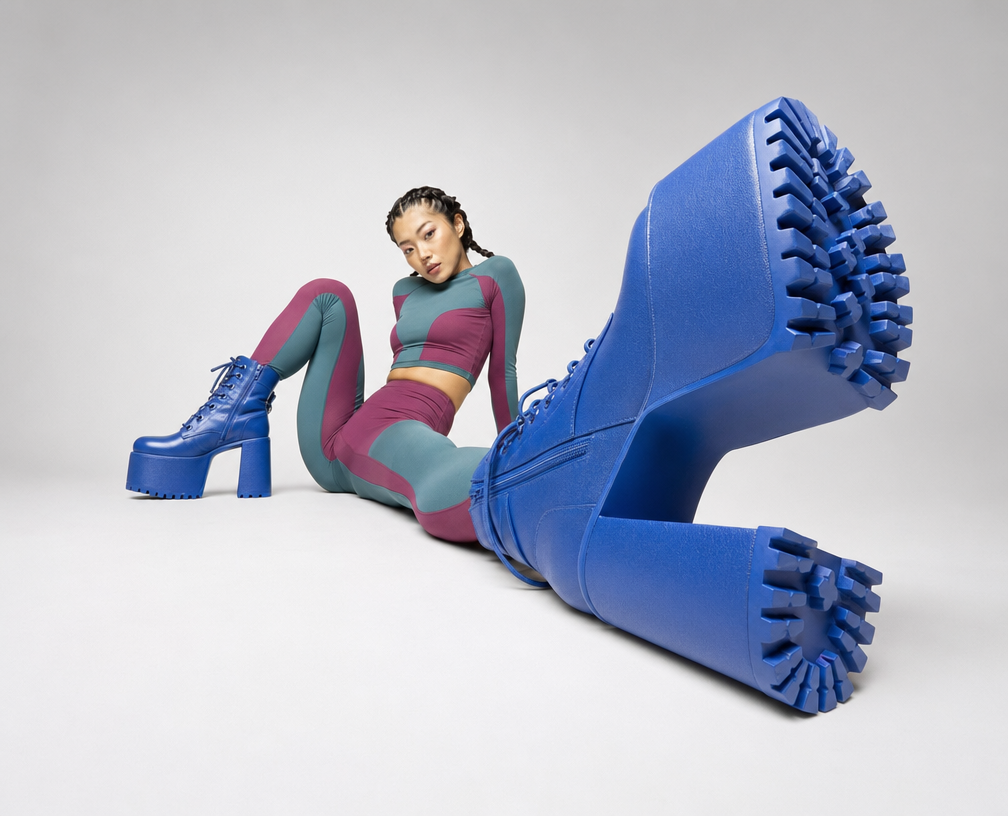
Cobalt Boots in Sleek Studio Edit
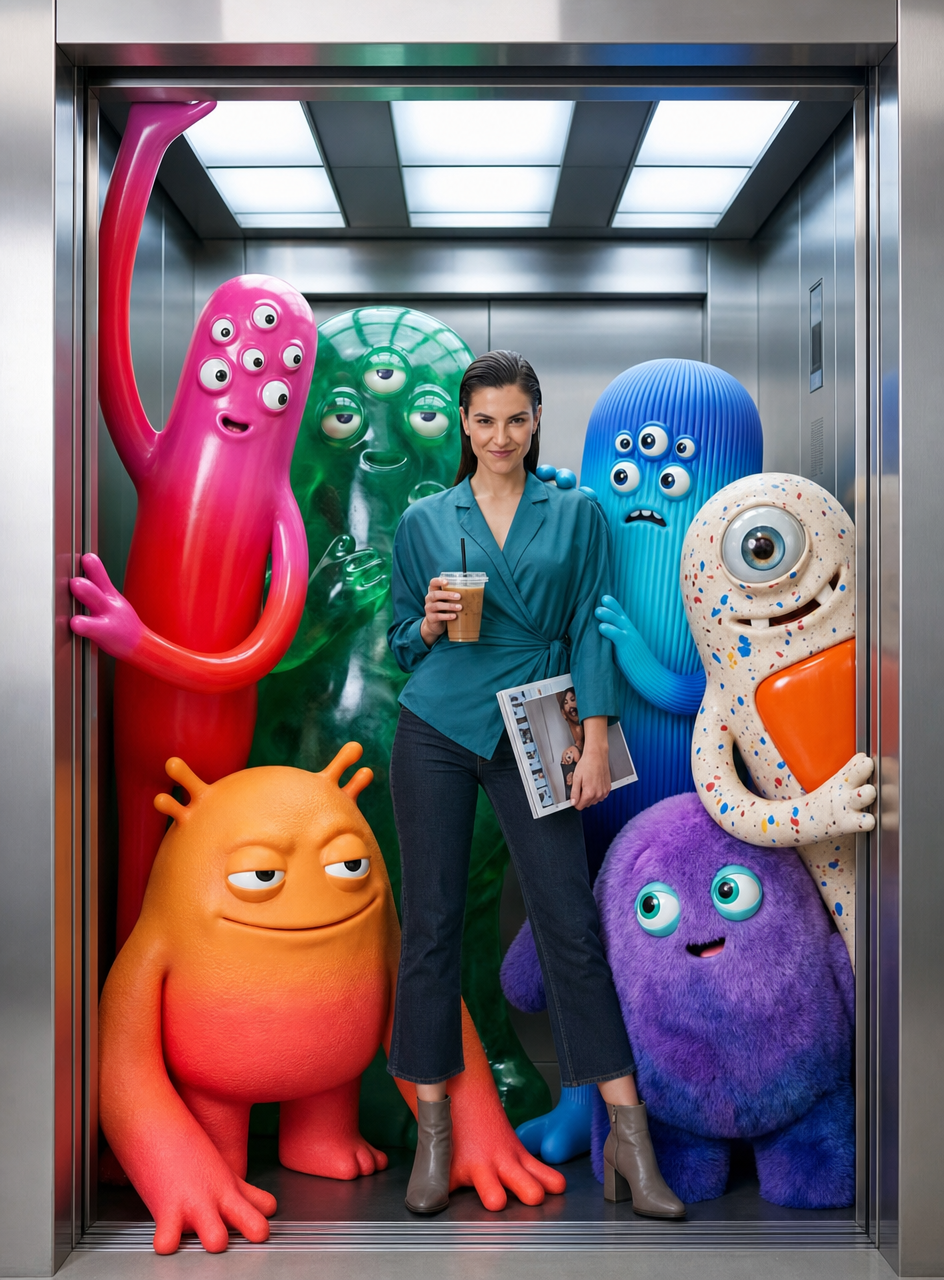
Teal fashion editorial in monster-filled lift
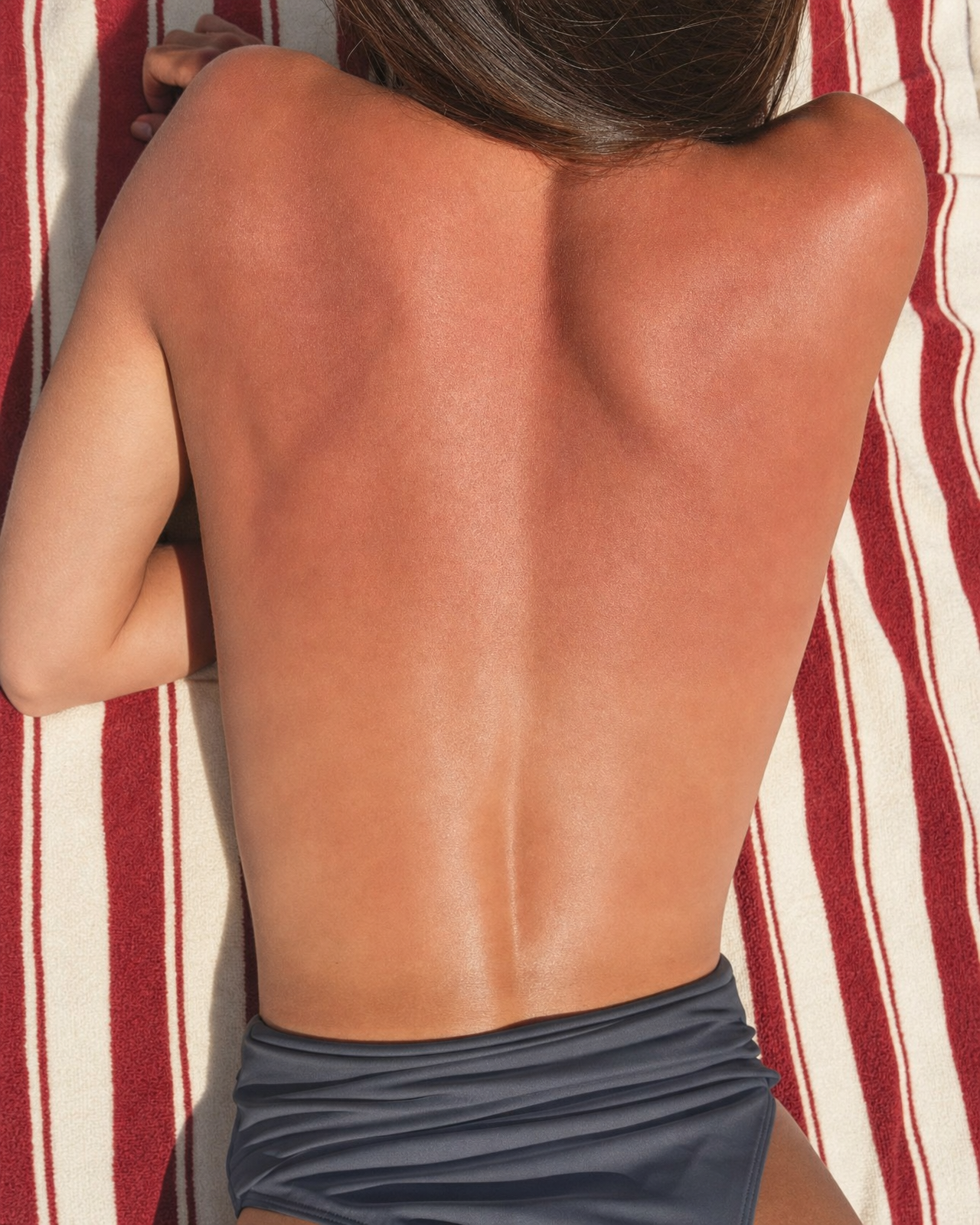
Sunlit editorial on striped beach towel

Silhouette Influencer by Sunlit Window