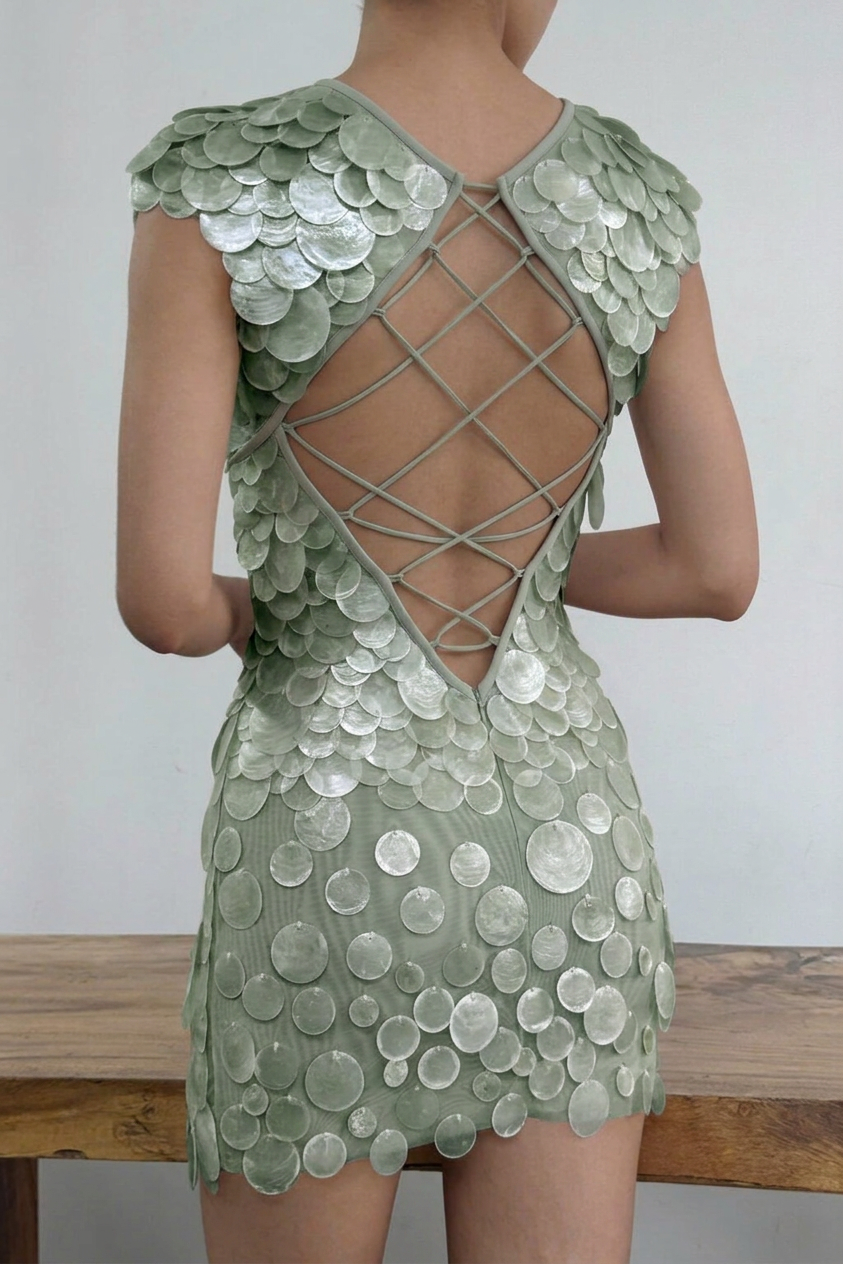
Same prompt, generated with each model separately — click one to see how it holds up.
Why this works
The phrase “seen from behind” makes the dress’s “structured V-shaped back cutout” and “delicate crisscross straps down the spine” the visual focal point, while the “sleeveless fitted silhouette” keeps the outline clean and editorial. “Muted sage,” “soft cool neutral studio backdrop,” and “natural diffused lighting” establish a restrained, cool-toned palette and refined mood without competing with the layered translucent pearl-like discs. “Crisp fabric and embellishment detail” directs attention toward material texture, supporting the photorealistic fashion-editorial finish.
FAQ
→How do I make the back embellishments more central and visually prominent?
Replace “layered translucent pearl-like disc embellishments” with “dense oversized translucent pearl discs cascading across the shoulders and lower back, highly reflective layered surface,” and add “tight crop from shoulders to hips.” Keep “seen from behind” so the V-shaped cutout and spine straps remain part of the composition.
→How do I shift this from minimalist elegance to a darker, more dramatic couture mood?
Replace “muted sage mini dress” with “deep charcoal-black mini dress” and “soft cool neutral studio backdrop” with “dark graphite studio backdrop.” Change “natural diffused lighting” to “hard directional spotlight from one side with controlled shadows,” while retaining “crisp fabric and embellishment detail” to preserve the photorealistic texture.
→How do I create a coordinated series with different colors while keeping the same design recognizable?
Leave “structured V-shaped back cutout,” “delicate crisscross straps down the spine,” and “sleeveless fitted silhouette” unchanged, then replace “muted sage” with a controlled palette such as “powder blue,” “soft ivory,” or “dusty lavender.” Match each version with a related “soft cool neutral studio backdrop” and keep “natural diffused lighting” constant so the dress construction, rather than the background, defines the series.
Learn the technique behind this
- Why can't AI spell, and how do I get readable text in an image? — Older diffusion models had no character-level representation of text, so they produced letterform-shaped texture instead of words.
- How should a prompt be structured, and does word order matter? — A prompt that behaves predictably names one subject first, then what it is doing, then where, then the light, then the lens or medium, then the style.
- Why does the model ignore parts of my prompt? — Ignored instructions are almost always conflicts, counts, or spatial relationships — three things current models handle badly — rather than the model failing to read you.
Related prompts
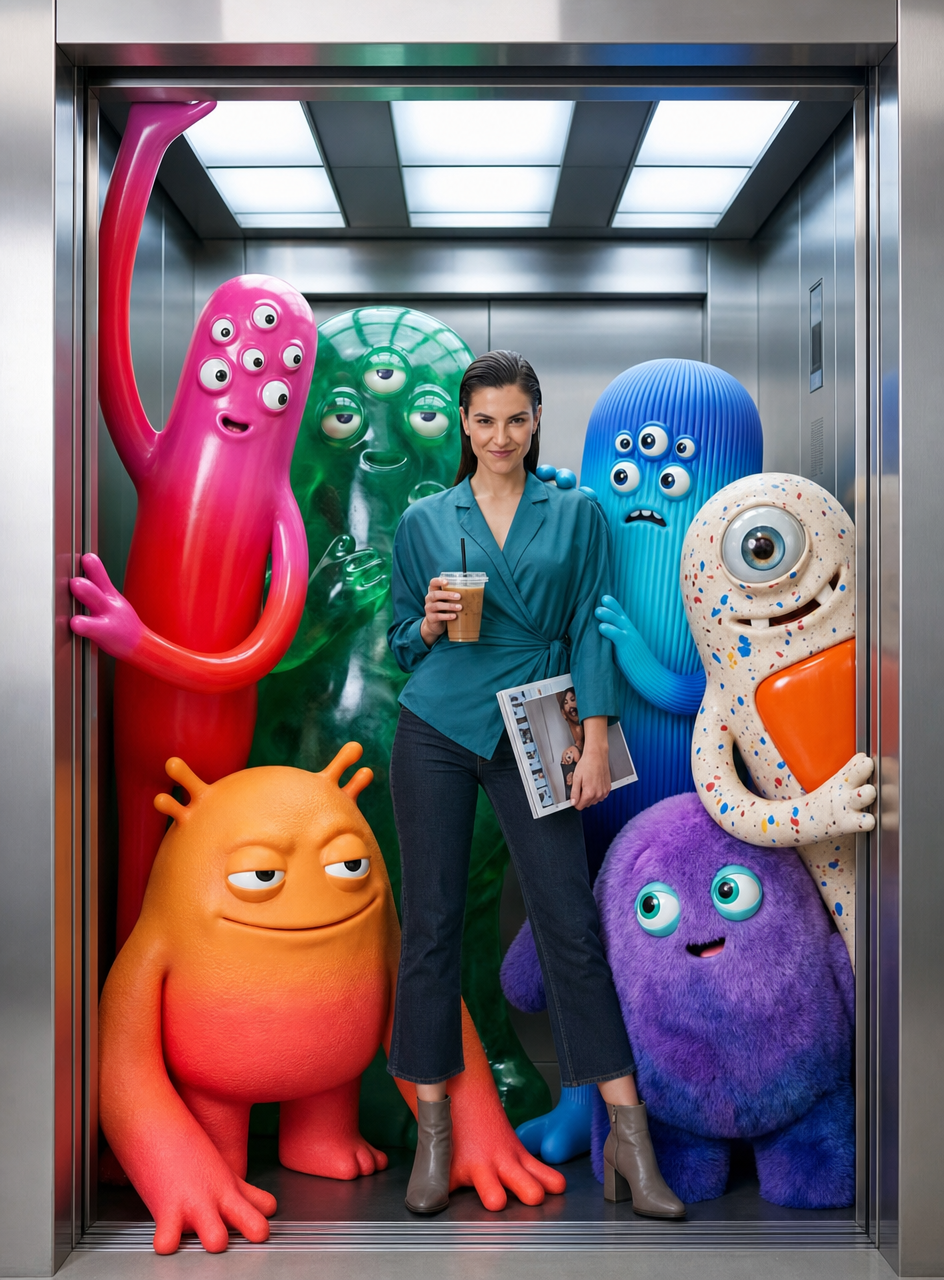
Teal fashion editorial in monster-filled lift
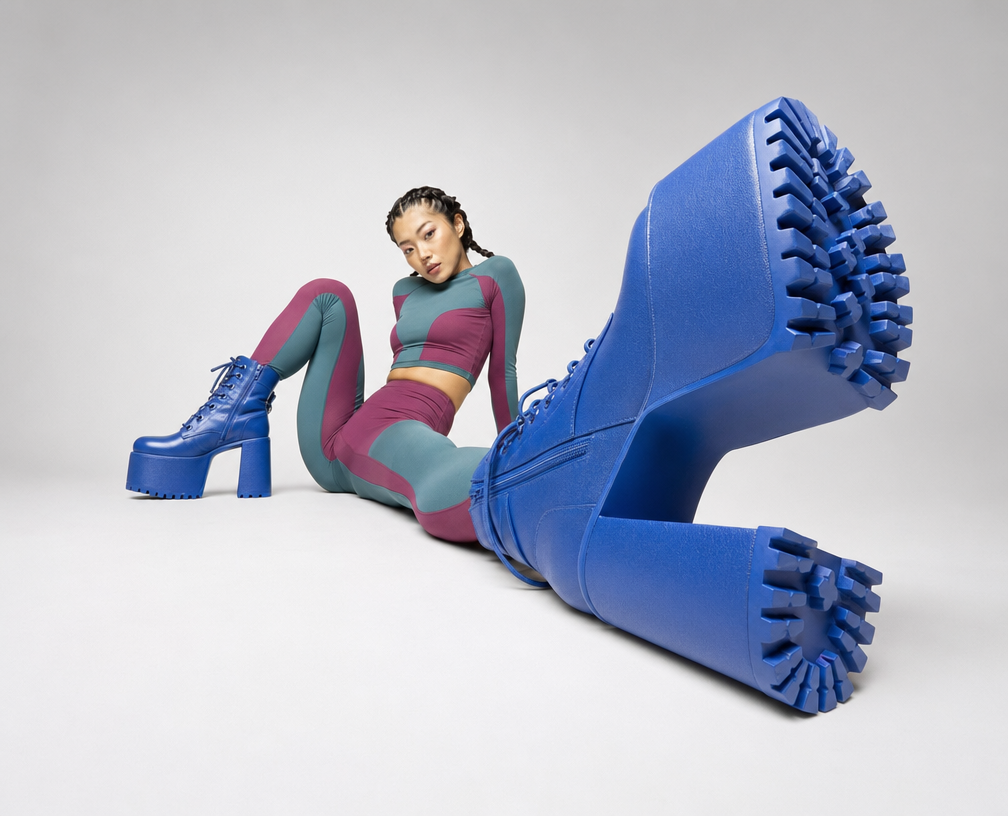
Cobalt Boots in Sleek Studio Edit
Silhouette Influencer by Sunlit Window

Sunlit editorial on striped beach towel