Why this works
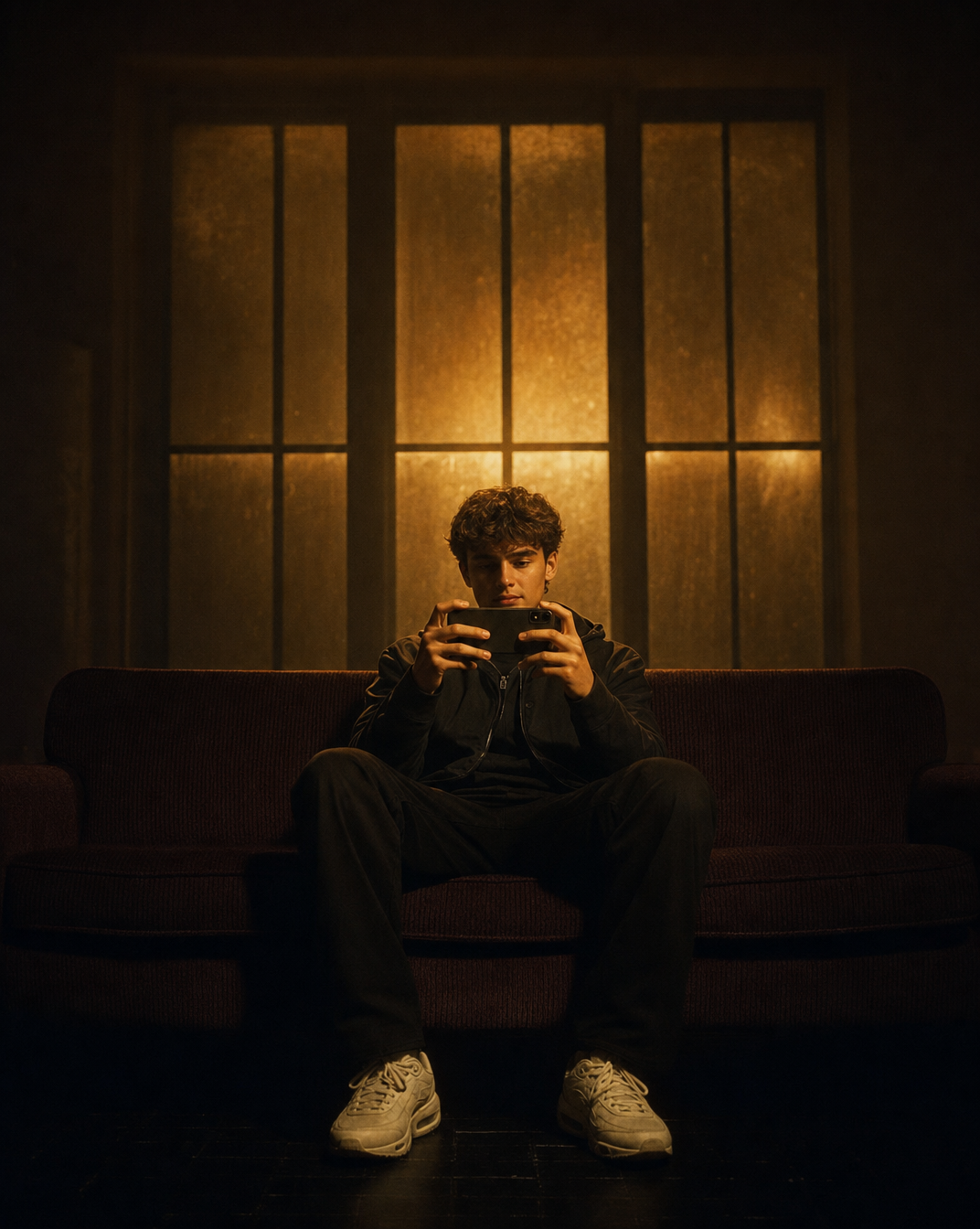
“Young woman leaning over a wooden desk” and “carefully inspecting a detailed action figure” establish a focused working gesture, while “natural polished expression and posture” keeps the editorial mood composed rather than staged. The “eye-level perspective” and “portrait-full-body” framing show both the person and the studio context, and “shallow depth of field” directs attention toward the figure and the woman while softening the shelves behind them. “Warm realistic indoor lighting” and “softly glowing LED shelves” supply the inviting tone, with gray, black, and beige surfaces creating a restrained palette that lets the illuminated display area stand out.
FAQ
→How do I make the action figure more central and prominent?
Replace “action figure placed on a clear display stand next to an iMac-style computer monitor” with “large detailed action figure centered in the foreground on a clear display stand,” and change “young woman leaning over a wooden desk” to “young woman positioned behind the figure, studying it.” Add “tight three-quarter framing focused on the figure and her hands” to reduce the amount of surrounding studio space.
→How do I shift this from a warm polished mood to a cooler, more technical tone?
Replace “warm realistic indoor lighting” and “softly glowing LED shelves” with “cool neutral overhead lighting and crisp white task lights.” Change “polished warm mood” to “precise, clinical workshop mood,” and replace the gray, black, and beige palette with “steel gray, white, and muted blue.”
→How do I create a consistent series of variations from this studio scene?
Keep the phrases “modern collectible figure studio,” “wooden desk,” “LED-lit shelves,” “editorial lifestyle photography,” and “eye-level perspective” unchanged. Swap only the subject action, such as “carefully painting a miniature,” “photographing a finished figure,” or “organizing boxed toys,” while replacing “a detailed action figure” with the relevant object and keeping “natural pose” and “shallow depth of field” constant for visual continuity.
Learn the technique behind this
- Why does AI get hands and faces wrong, and how do I fix it? — Hands fail because they're small in frame, extremely variable in pose, and self-occluding — the model has less usable signal per pixel than for any other body part.
- Why can't AI spell, and how do I get readable text in an image? — Older diffusion models had no character-level representation of text, so they produced letterform-shaped texture instead of words.
- Do negative prompts work, and what should go in one? — Negative prompts work on models that support a separate negative conditioning channel — mainly Stable Diffusion and FLUX-family models.
Related prompts
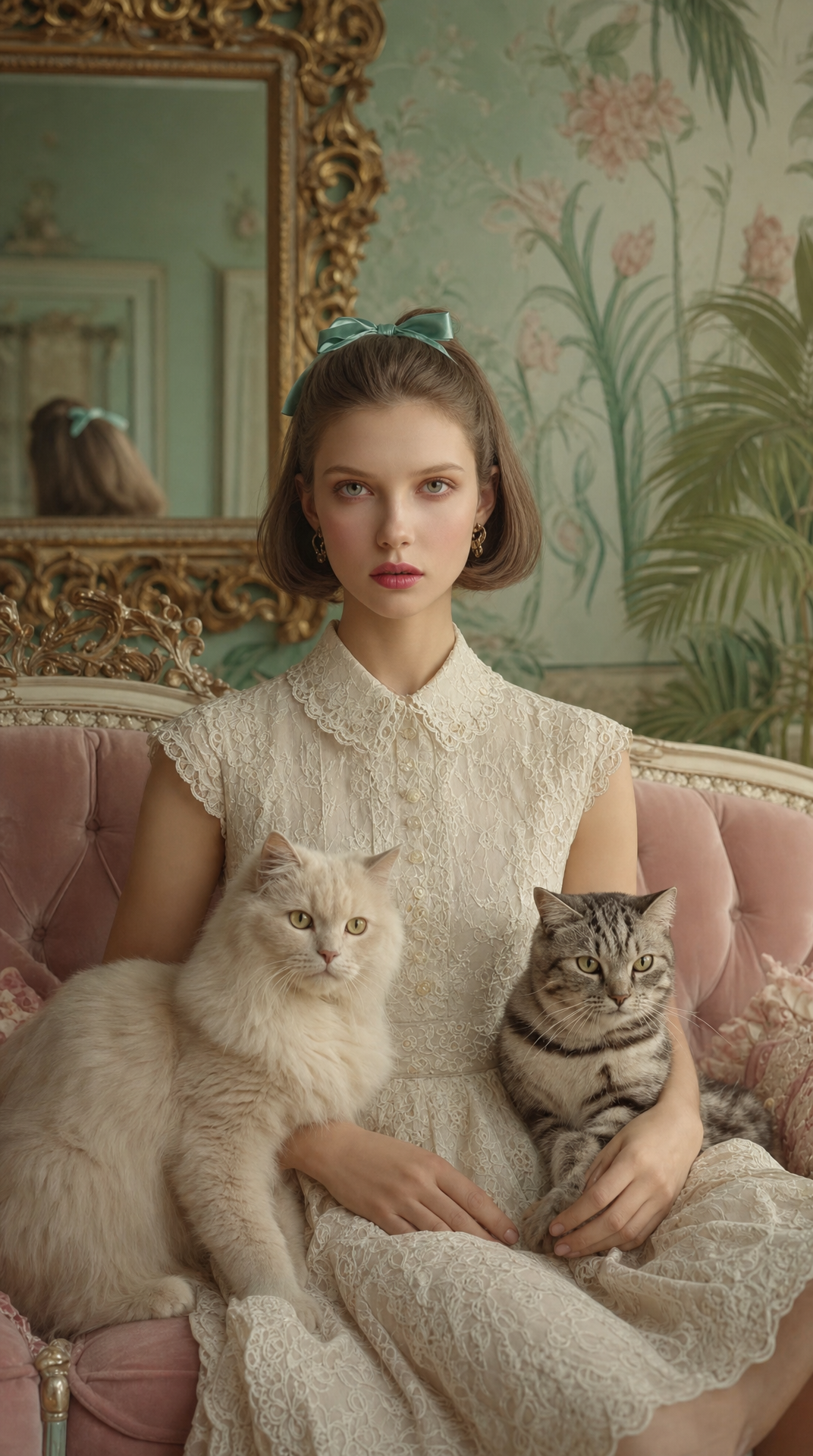
Young woman with two cats
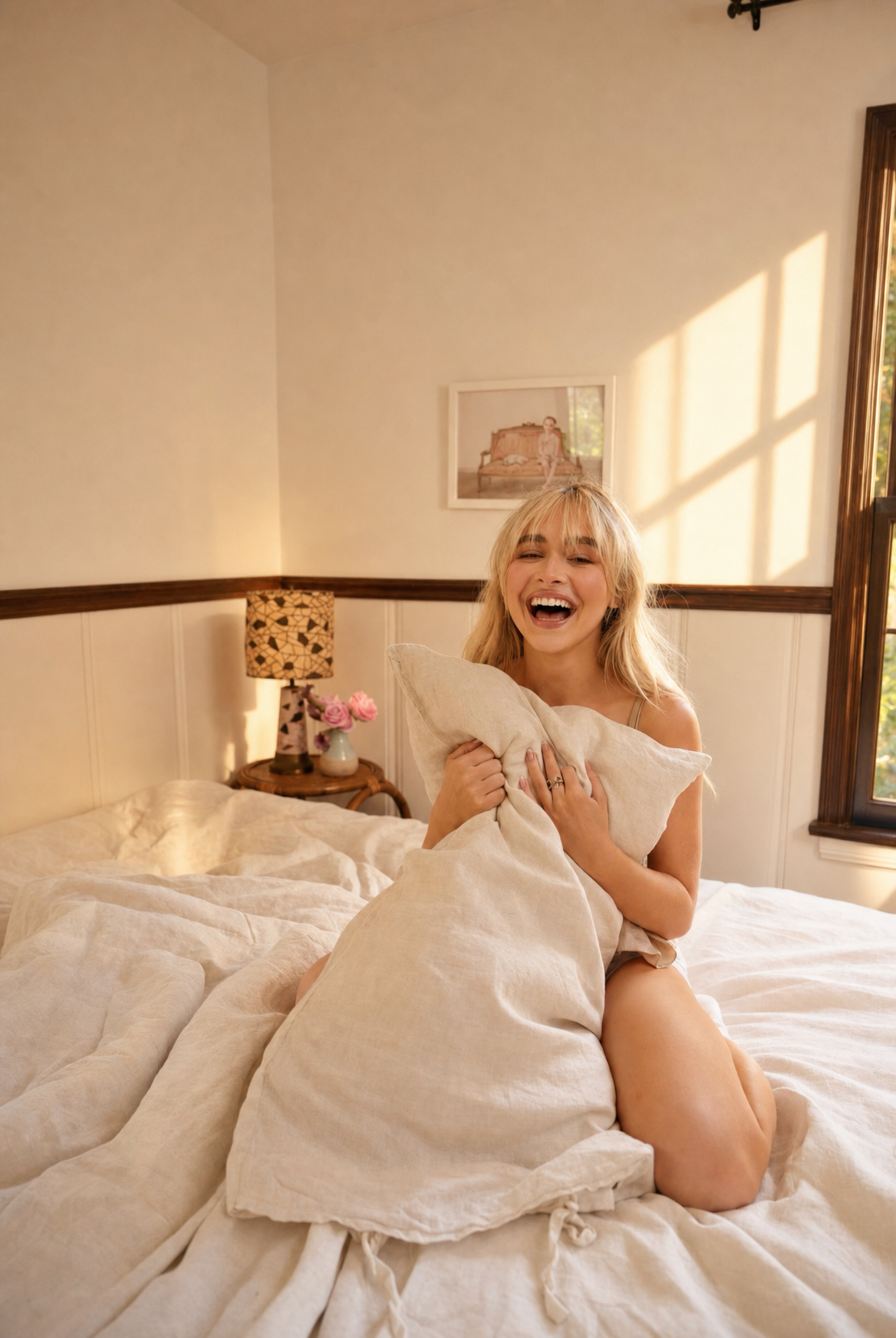
Blonde woman hugging beige pillow on off-white bed
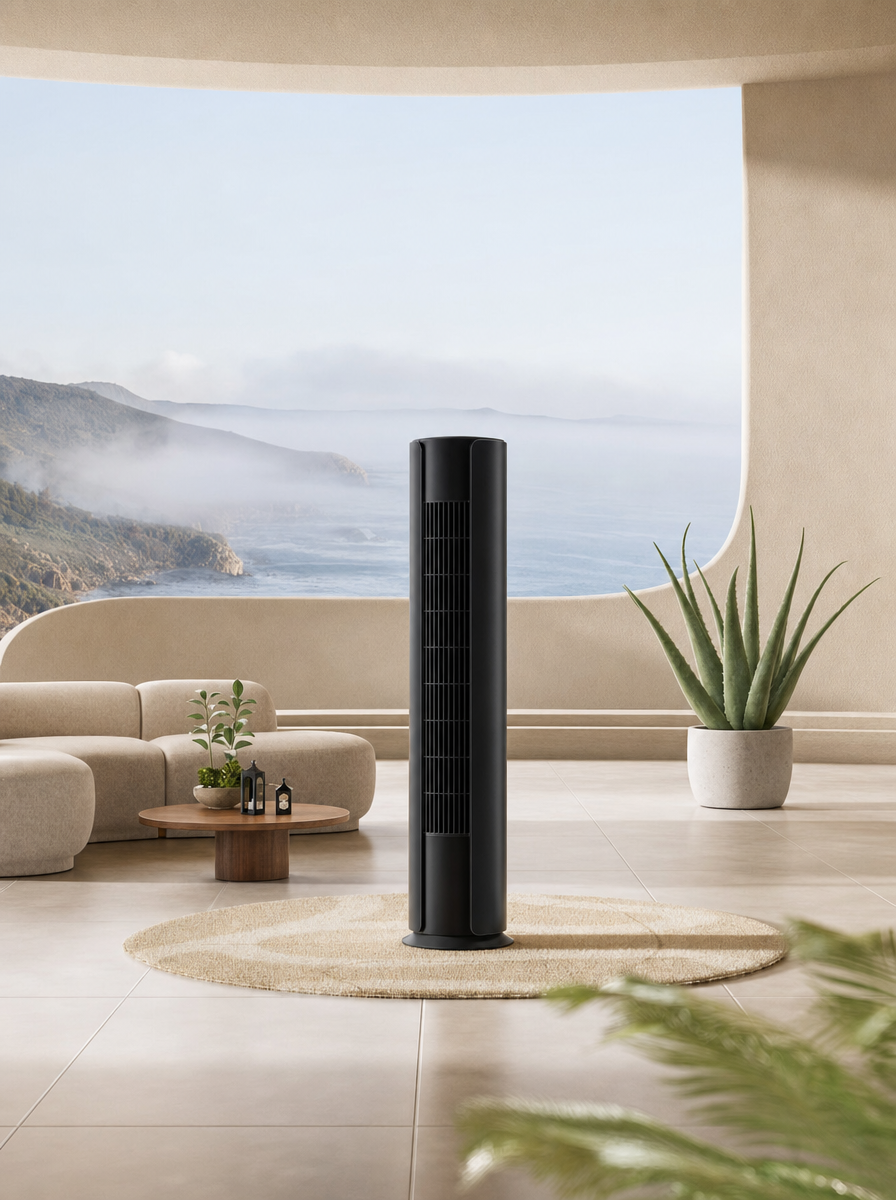
Black tower fan on gray rug by window
Cozy Winter Living Room in Sage