Same prompt, generated with each model separately — click one to see how it holds up.
Why this works
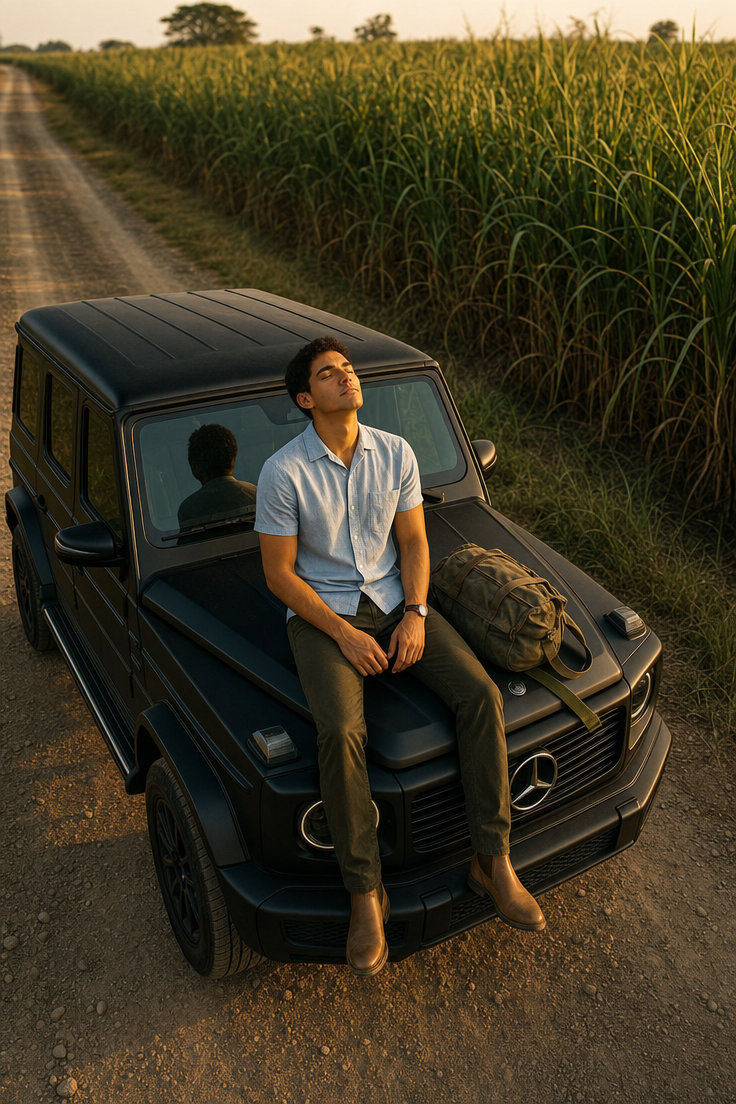
The “cinematic bird’s-eye overhead vertical shot” makes the portrait-full-body composition graphic, showing the man, SUV, hood, and surrounding sugarcane as a single arranged scene rather than a conventional eye-level portrait. “Golden hour warm sunlight with deep, soft-edged shadows” supplies the calm, contemplative mood, while the light blue shirt, dark olive jeans, tan boots, green strap, and matte black vehicle create a restrained green, tan, gray, and blue palette. “Sharp focus on the subject and a softly blurred, atmospheric background” keeps the man and vehicle legible while pushing the country road and grass into a quieter sense of distance.
FAQ
→How do I make the man more prominent than the SUV and landscape?
Replace “cinematic bird’s-eye overhead vertical shot” with “medium-high three-quarter portrait shot” and change “sharp focus on the subject and a softly blurred, atmospheric background” to “tight sharp focus on the man’s face, torso, and hands, with the SUV and sugarcane softly receding.” Keep “relaxing on the roof and hood” if you still want the vehicle present, but reduce the environmental emphasis by replacing “framed by tall sugarcane grass” with “a narrow edge of sugarcane grass in the background.”
→How do I change the warm, calm mood into a darker, more dramatic scene?
Replace “at golden hour” and “golden hour warm sunlight” with “blue hour after sunset with cool directional moonlight,” and replace “deep, soft-edged shadows” with “hard, high-contrast shadows and controlled rim light.” Shift the palette by changing the clothing and prop phrases to “charcoal shirt, black jeans, dark brown boots, and a weathered black duffel bag with a muted green strap.”
→How do I build a series of variations without losing the editorial composition?
Keep “cinematic bird’s-eye overhead vertical shot,” “portrait-full-body,” and “high-detail editorial fashion photography” unchanged, then swap only the setting and wardrobe blocks. For example, replace “beside a country road with tall sugarcane grass” with “beside a dusty desert track with dry reeds,” and replace “light blue closed-collar short-sleeve shirt, dark olive jeans, and tan leather boots” with “cream linen shirt, sand-colored trousers, and dark leather boots”; preserve “sharp subject focus, softly blurred background” across every version for a consistent series.
Learn the technique behind this
- Why can't AI spell, and how do I get readable text in an image? — Older diffusion models had no character-level representation of text, so they produced letterform-shaped texture instead of words.
- Why does the model ignore parts of my prompt? — Ignored instructions are almost always conflicts, counts, or spatial relationships — three things current models handle badly — rather than the model failing to read you.
- Why does AI get hands and faces wrong, and how do I fix it? — Hands fail because they're small in frame, extremely variable in pose, and self-occluding — the model has less usable signal per pixel than for any other body part.
Related prompts
Shirtless Man, Vintage Car, Coastline Light
Golden-hour couple rides a classic bike
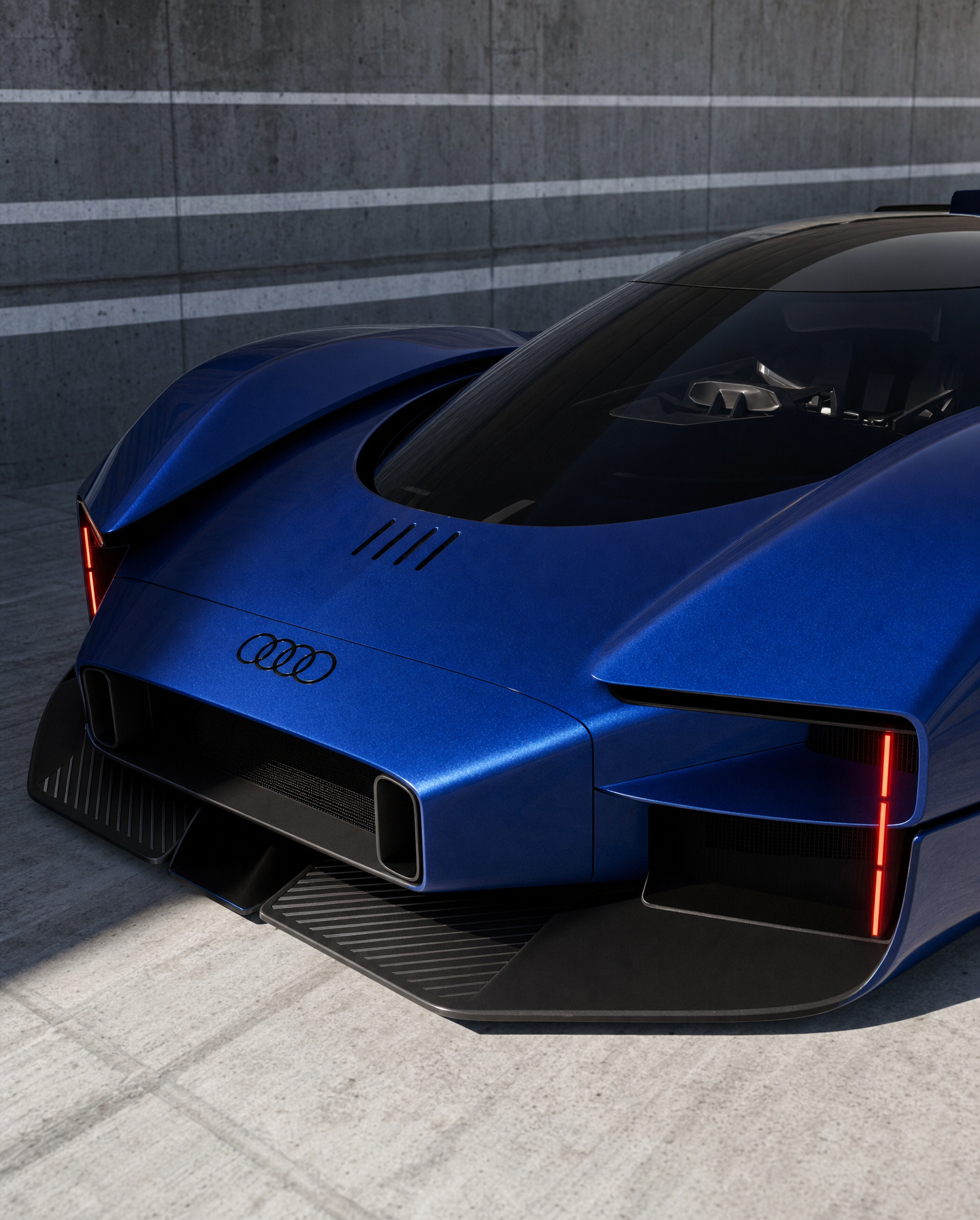
Deep-blue Audi concept in brutalist garage
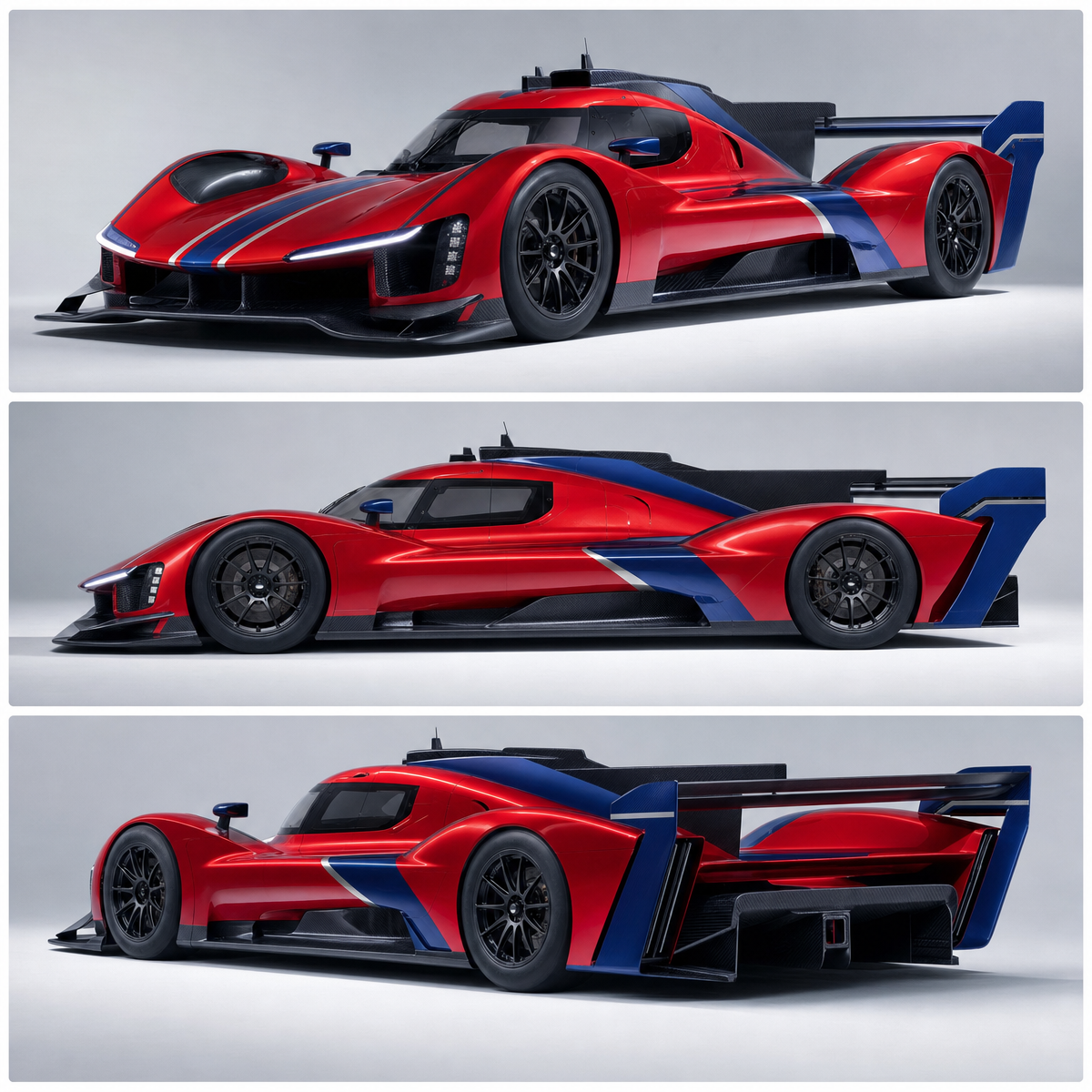
Red endurance race car with blue silver accents