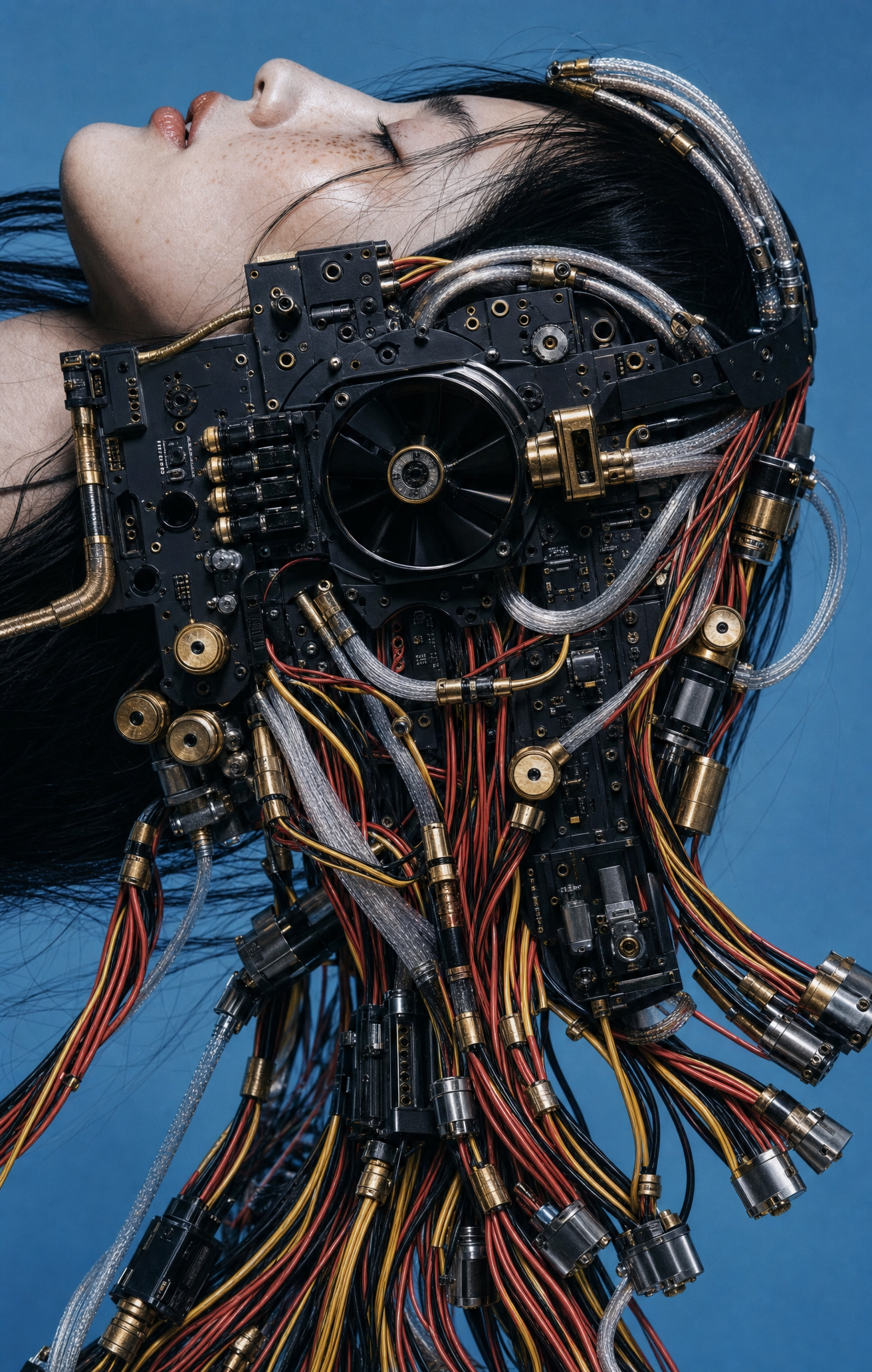
Why this works
The close portrait framing and “side-profile view” make the face-to-neck fusion the immediate subject, while “high-detail focus on fused components” directs attention to circuit boards, fiber-optic cables, servo motors, and brass connectors. “Matte black circuit boards” and “gray” mechanical surfaces give the image a technical base, while the blue gradient background and red-and-gold accents create a controlled cyberpunk color contrast. “Crisp directional lighting with sharp textures” defines the hard-edged futuristic mood, and “shallow depth of field” separates the integrated electronics from the studio backdrop without losing their material detail.
FAQ
→How do I make the electronics more central and visually dominant?
Replace “editorial close framing” with “extreme macro portrait crop from forehead to collarbone,” and change “high-detail focus on fused components” to “the circuit boards, fiber-optic cables, servo motors, and brass connectors occupy most of the frame.” Add “face partially obscured by layered mechanical assemblies” if you want the machinery to overtake the human features.
→How do I turn the edgy studio portrait into a darker, more ominous image?
Replace “blue studio background with a subtle gradient” with “near-black industrial background with faint red technical glow,” and change “crisp directional lighting” to “low-key underlighting with narrow red rim light and deep shadows.” Keep “matte black circuit boards,” but add “wet reflective surfaces and scattered warning LEDs” for a harsher atmosphere.
→How do I build a series of variations without losing the core concept?
Keep “photorealistic surreal side-profile portrait” and “face and neck seamlessly integrated” unchanged, then swap the component list for controlled themes such as “transparent glass circuitry, silver micro-actuators, and violet fiber-optic strands” or “corroded copper plates, hydraulic pistons, and amber cables.” Preserve “editorial close framing,” “blue studio background,” and “shallow depth of field” so the subject and visual structure remain consistent across the series.
Learn the technique behind this
- Why can't AI spell, and how do I get readable text in an image? — Older diffusion models had no character-level representation of text, so they produced letterform-shaped texture instead of words.
- Why does AI get hands and faces wrong, and how do I fix it? — Hands fail because they're small in frame, extremely variable in pose, and self-occluding — the model has less usable signal per pixel than for any other body part.
- How do I keep the same character across multiple images? — Text prompts alone won't hold a face across images — a description defines a type, not a person.
Related prompts
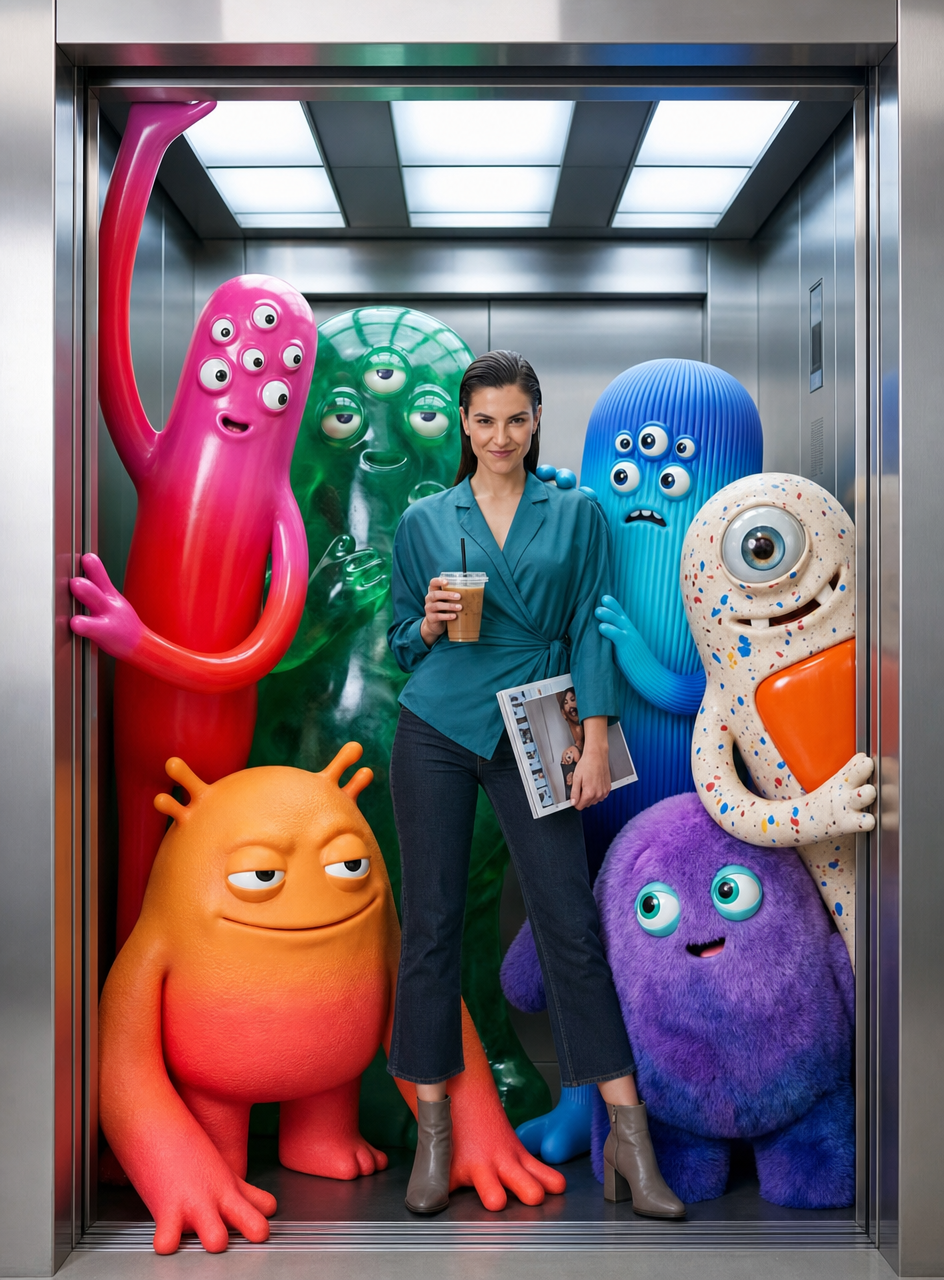
Teal fashion editorial in monster-filled lift
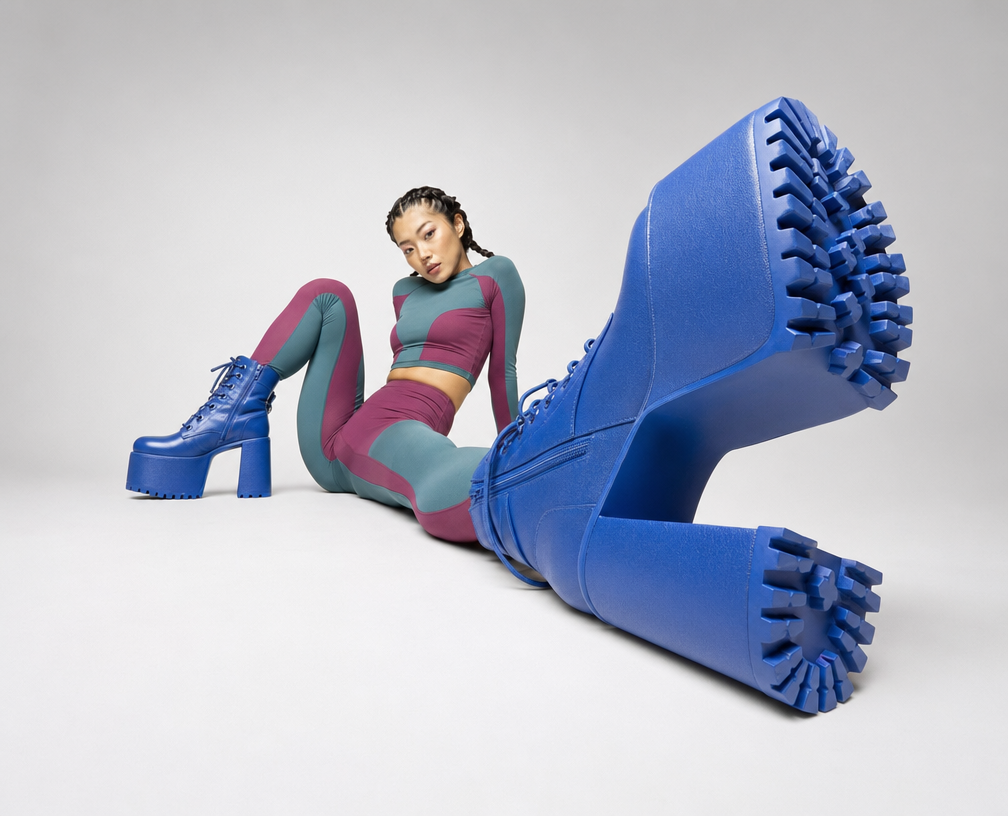
Cobalt Boots in Sleek Studio Edit
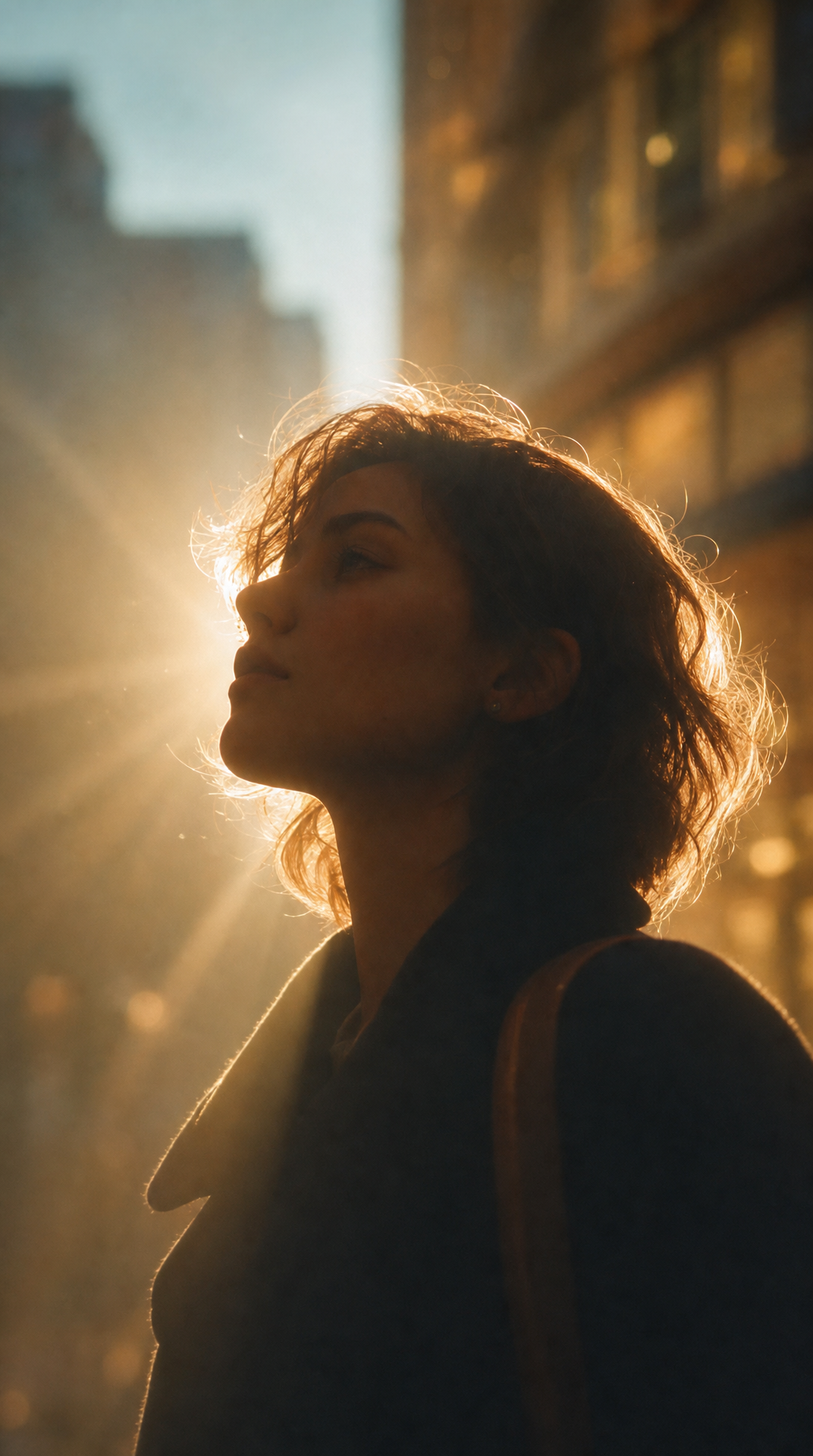
Silhouette Influencer by Sunlit Window
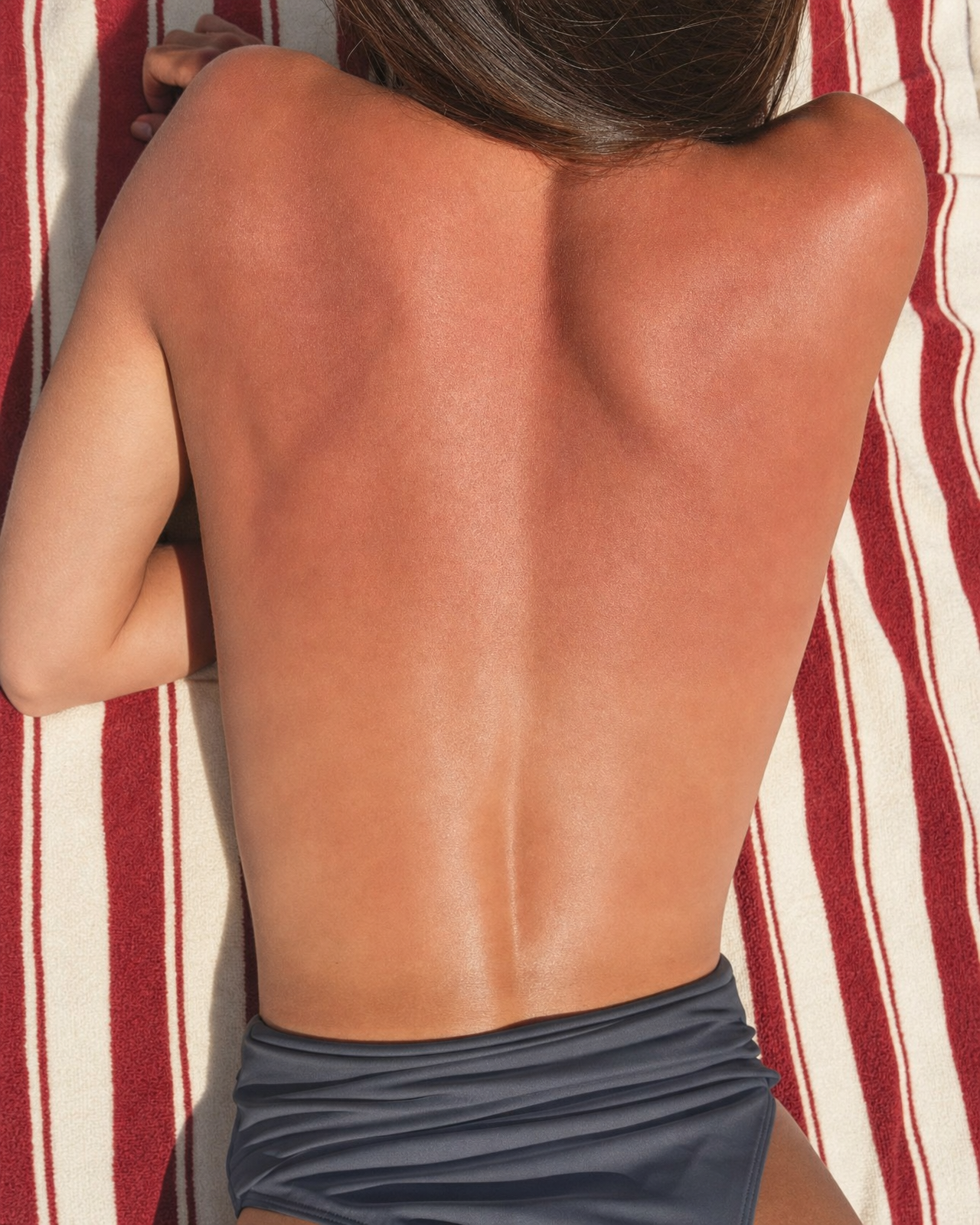
Sunlit editorial on striped beach towel