Why this works
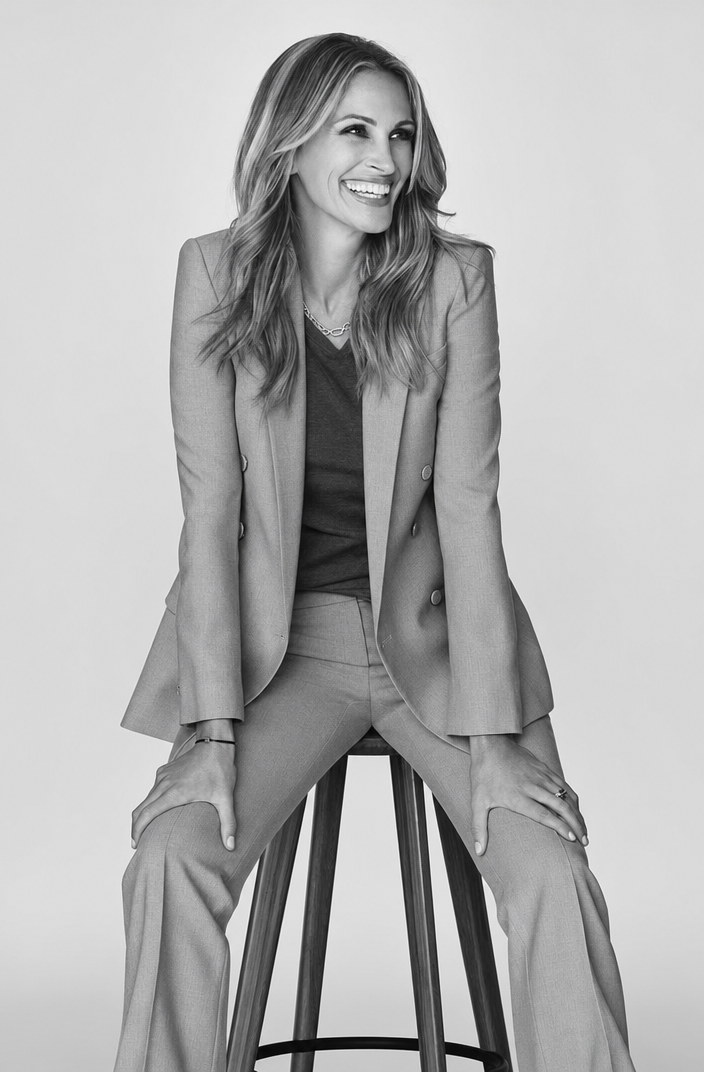
“Black and white editorial fashion photography” removes color distraction and gives the tailored light-gray pantsuit and dark charcoal top a graphic, high-contrast presence. The “smiling woman seated on a tall stool” and “relaxed pose with hands on knees” establish a confident but approachable mood, while “portrait-full-body” and “tasteful editorial framing” preserve the stool, complete outfit, and body posture as the main read. “Clean seamless background” with “soft even lighting” produces the bright, polished studio look, and “crisp sharp detail” keeps the suit’s tailoring and natural proportions legible.
FAQ
→How do I change this prompt to make the portrait feel more dramatic and high-fashion?
Replace “bright polished studio look, soft even lighting” with “dramatic directional side-lighting, deep sculptural shadows, and a high-contrast studio mood.” Change “smiling” to “serious, unsmiling expression” and “relaxed pose with hands on knees” to “angular seated pose with one hand gripping the stool edge” for a sharper editorial attitude.
→How do I make the woman and her suit more prominent than the stool and background?
Replace “portrait-full-body” with “three-quarter fashion portrait, framed from mid-thigh upward,” and change “seated on a tall stool” to “woman centered in a close three-quarter pose.” Keep “clean seamless background,” but add “minimal background presence, subject fills the frame” so the tailored light-gray pantsuit becomes the dominant visual element.
→How do I build a coordinated series of variations from this prompt?
Keep the fixed phrases “black and white editorial fashion photography,” “crisp sharp detail,” and “natural proportions,” then vary one controlled block at a time. Swap “clean seamless background” for “white cyclorama,” “brushed concrete studio wall,” or “minimalist dressing-room backdrop,” and replace “smiling woman seated on a tall stool” with “standing woman beside a sculptural chair” or “woman seated on a low bench,” while retaining “tasteful editorial framing” for visual consistency.
Learn the technique behind this
- Why does AI get hands and faces wrong, and how do I fix it? — Hands fail because they're small in frame, extremely variable in pose, and self-occluding — the model has less usable signal per pixel than for any other body part.
- Why can't AI spell, and how do I get readable text in an image? — Older diffusion models had no character-level representation of text, so they produced letterform-shaped texture instead of words.
- How should a prompt be structured, and does word order matter? — A prompt that behaves predictably names one subject first, then what it is doing, then where, then the light, then the lens or medium, then the style.
Related prompts
Teal fashion editorial in monster-filled lift
Cobalt Boots in Sleek Studio Edit
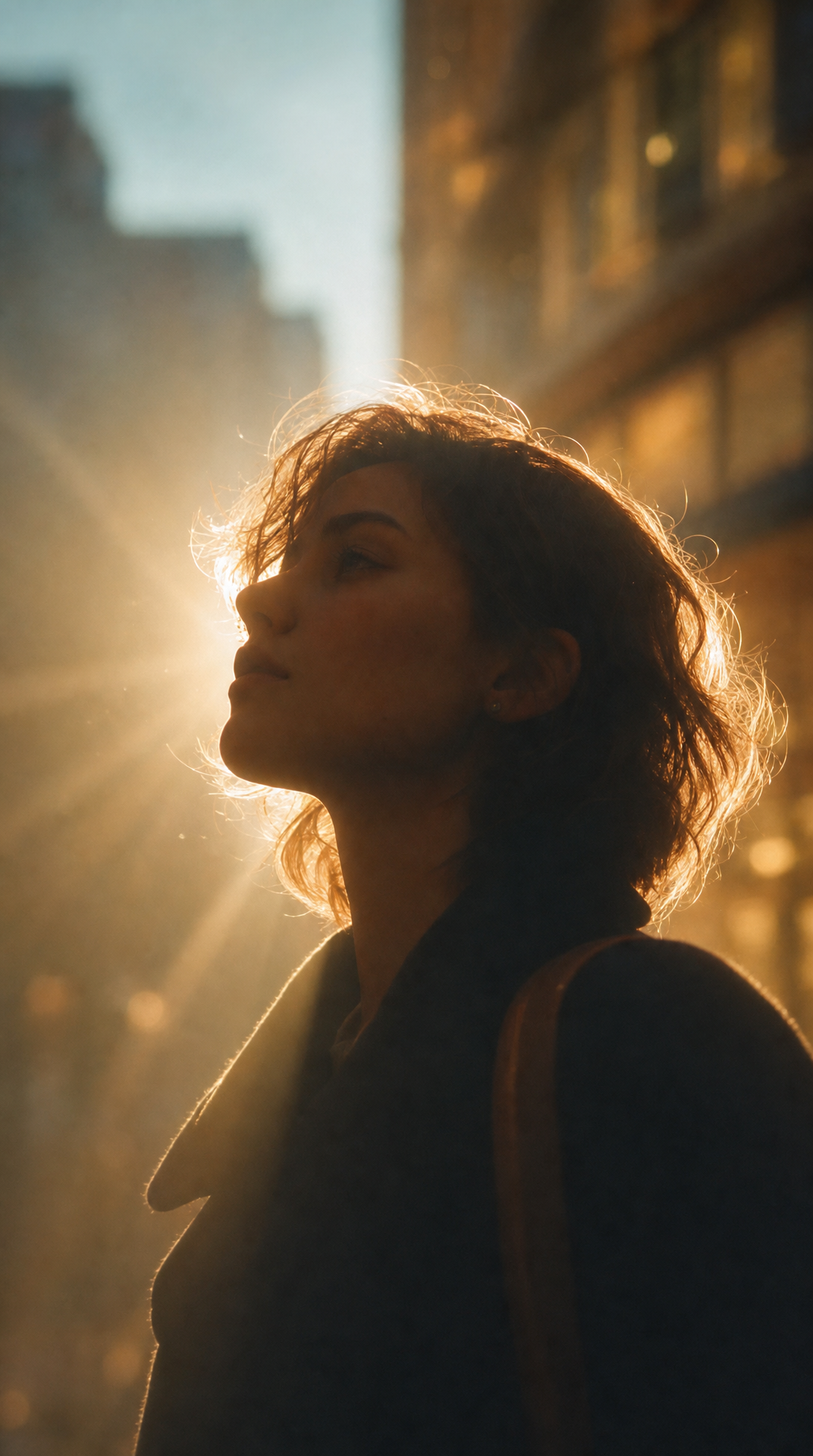
Silhouette Influencer by Sunlit Window
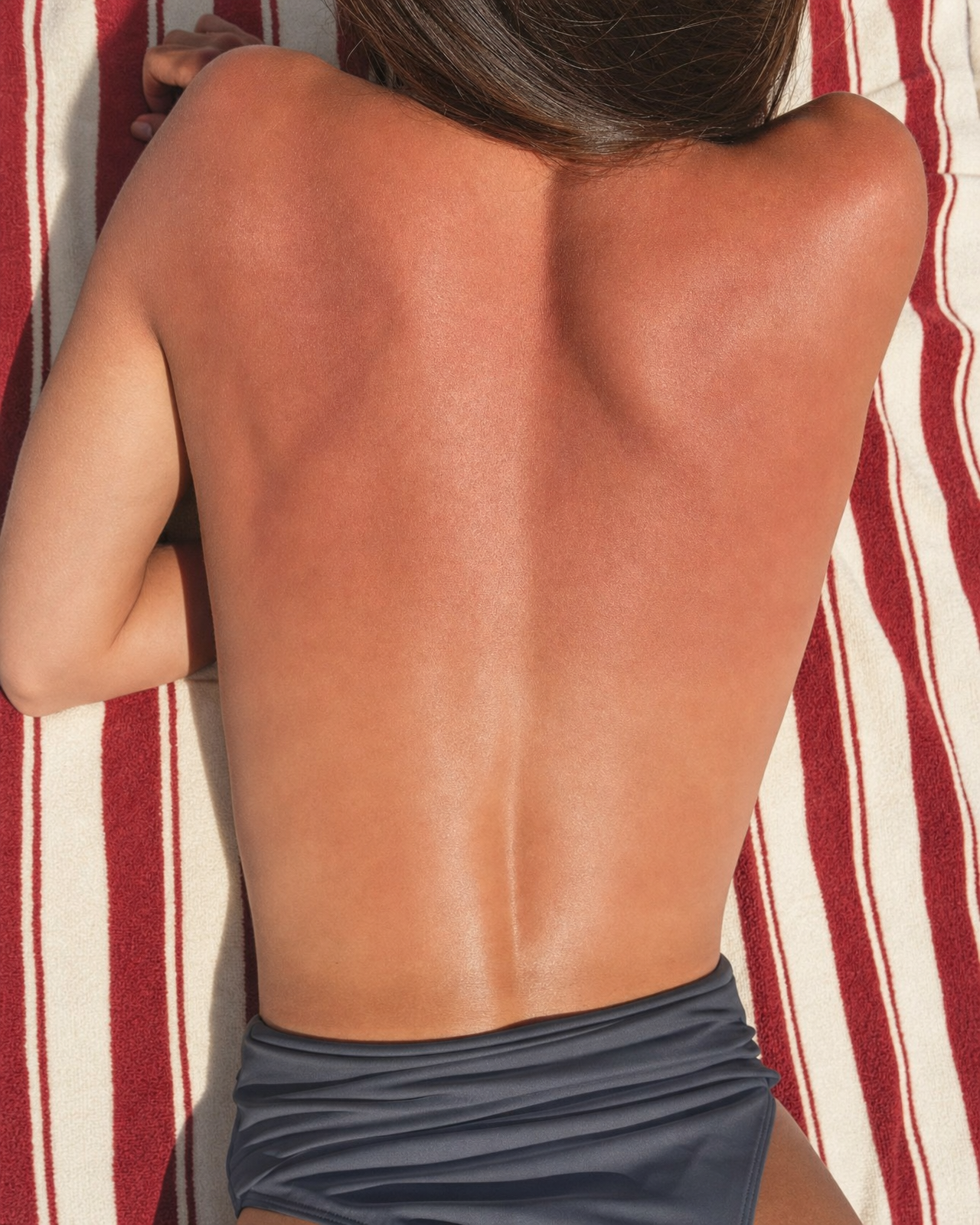
Sunlit editorial on striped beach towel