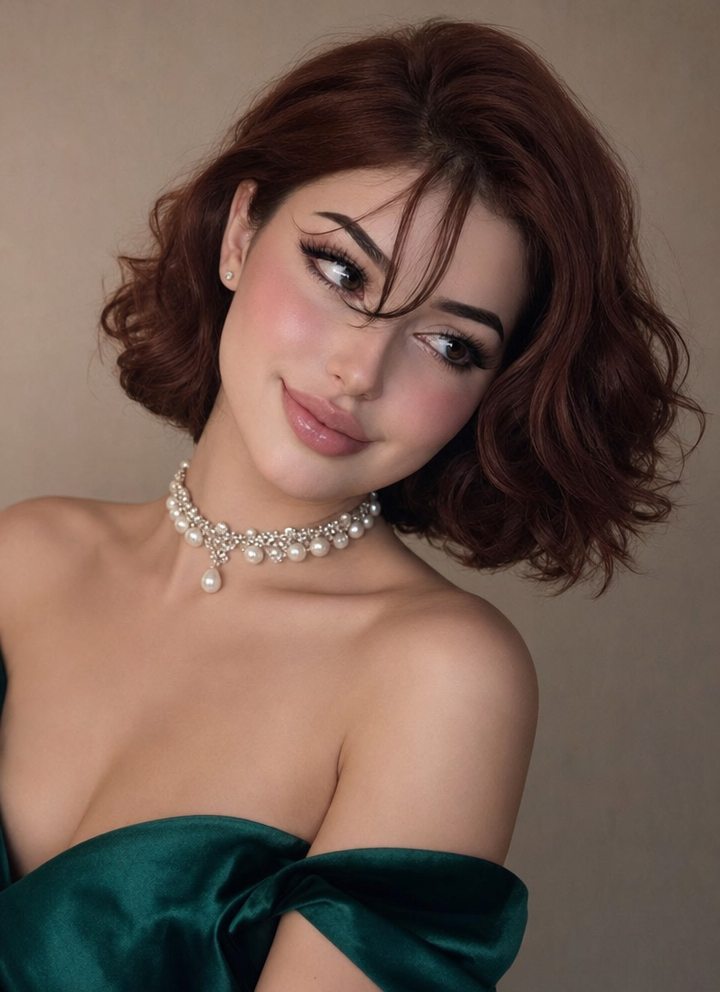
Why this works
The “centered composition” and “seated man” establish a stable full-body portrait, while the “one knee slightly raised” adds a small asymmetry without breaking the minimalist structure. The “diffused circular backlight behind him,” “stronger rim highlights,” and “subtle haze” separate his silhouette from the deep charcoal-black background and create the moody, dramatic tone. Sand-beige against black, supported by the “reflective floor with gentle specular reflections,” gives the predominantly gray image a restrained tonal harmony, while “shallow depth of field” and “crisp sharp detail” keep attention on the subject and skin texture.
FAQ
→How do I make the portrait feel brighter and less somber?
Replace “moody low-key lighting with stronger rim highlights” with “bright soft front lighting with gentle fill and restrained rim light,” and change “deep charcoal-black background” to “warm light-gray studio background.” Keep the “diffused circular backlight” but reduce the “subtle haze” to “very light atmospheric haze” so the image stays clean.
→How do I make the man more visually dominant in the frame?
Replace “centered composition” with “medium close-up, subject filling most of the vertical frame,” and change “seated man” to “seated man shown from mid-thigh upward.” Replace “shallow depth of field” with “very shallow depth of field with the eyes in precise focus,” while keeping “crisp sharp detail” for stronger facial emphasis.
→How can I build a coordinated series from this prompt?
Keep the fixed phrases “photorealistic editorial fashion portrait,” “dramatic contrast,” “realistic skin texture,” and “centered composition,” then swap only the wardrobe and pose: use “olive bomber jacket over a white shirt, hands resting on one knee” or “burgundy knit sweater, shoulders turned three-quarters.” For setting variations, replace “deep charcoal-black background” with “muted slate-blue background” or “warm concrete-gray background,” while retaining the “diffused circular backlight behind him” as the series’ visual constant.
Learn the technique behind this
- Why can't AI spell, and how do I get readable text in an image? — Older diffusion models had no character-level representation of text, so they produced letterform-shaped texture instead of words.
- How should a prompt be structured, and does word order matter? — A prompt that behaves predictably names one subject first, then what it is doing, then where, then the light, then the lens or medium, then the style.
- Why does the model ignore parts of my prompt? — Ignored instructions are almost always conflicts, counts, or spatial relationships — three things current models handle badly — rather than the model failing to read you.
Related prompts
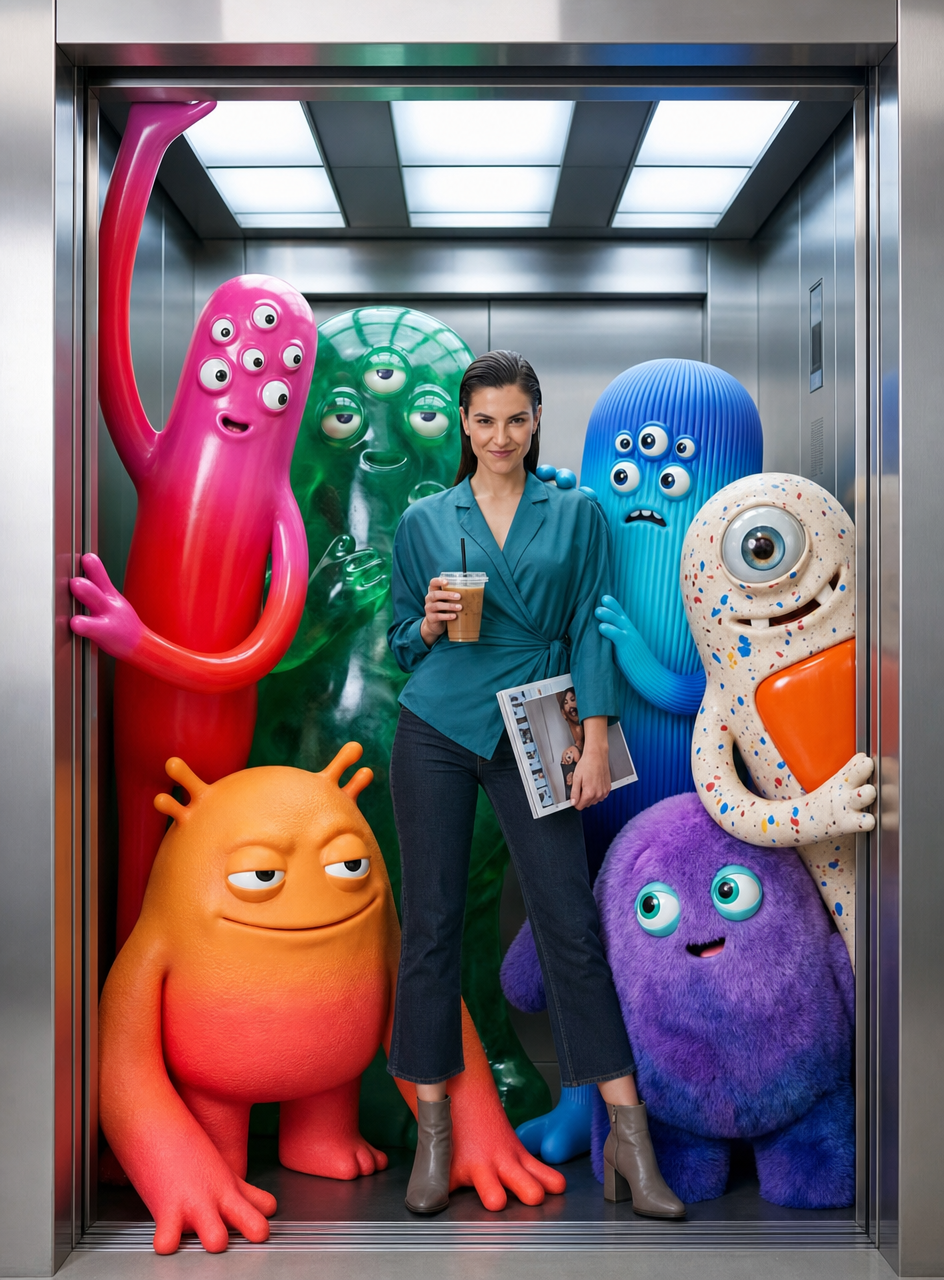
Teal fashion editorial in monster-filled lift
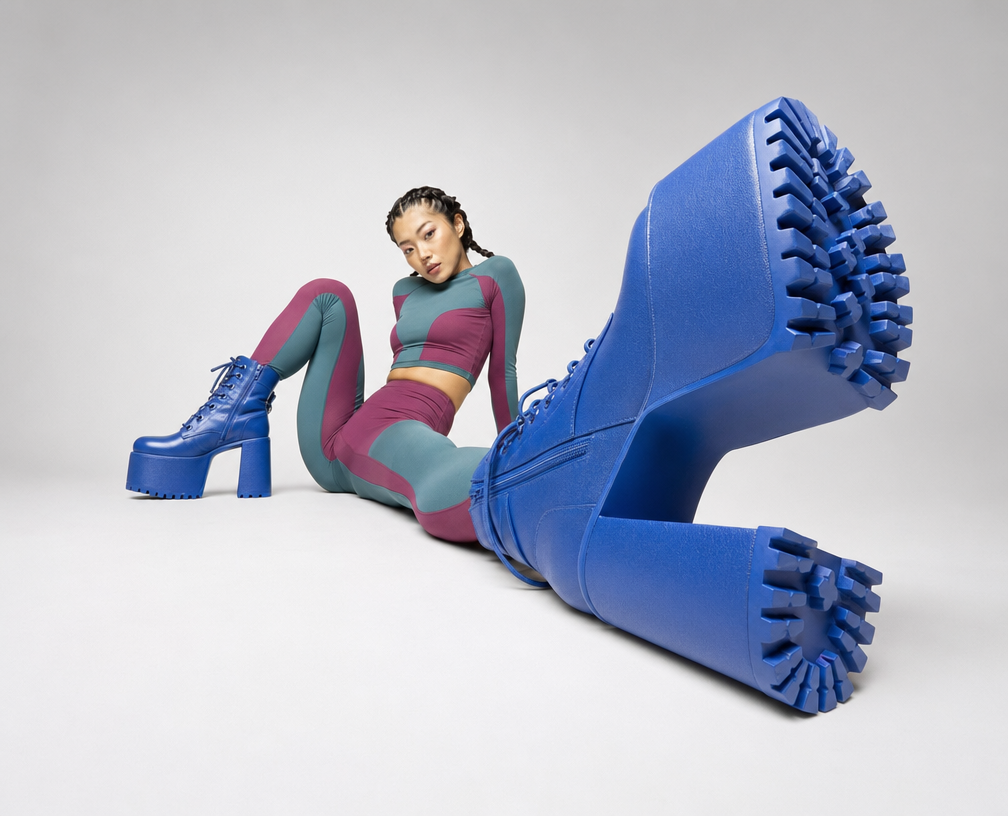
Cobalt Boots in Sleek Studio Edit
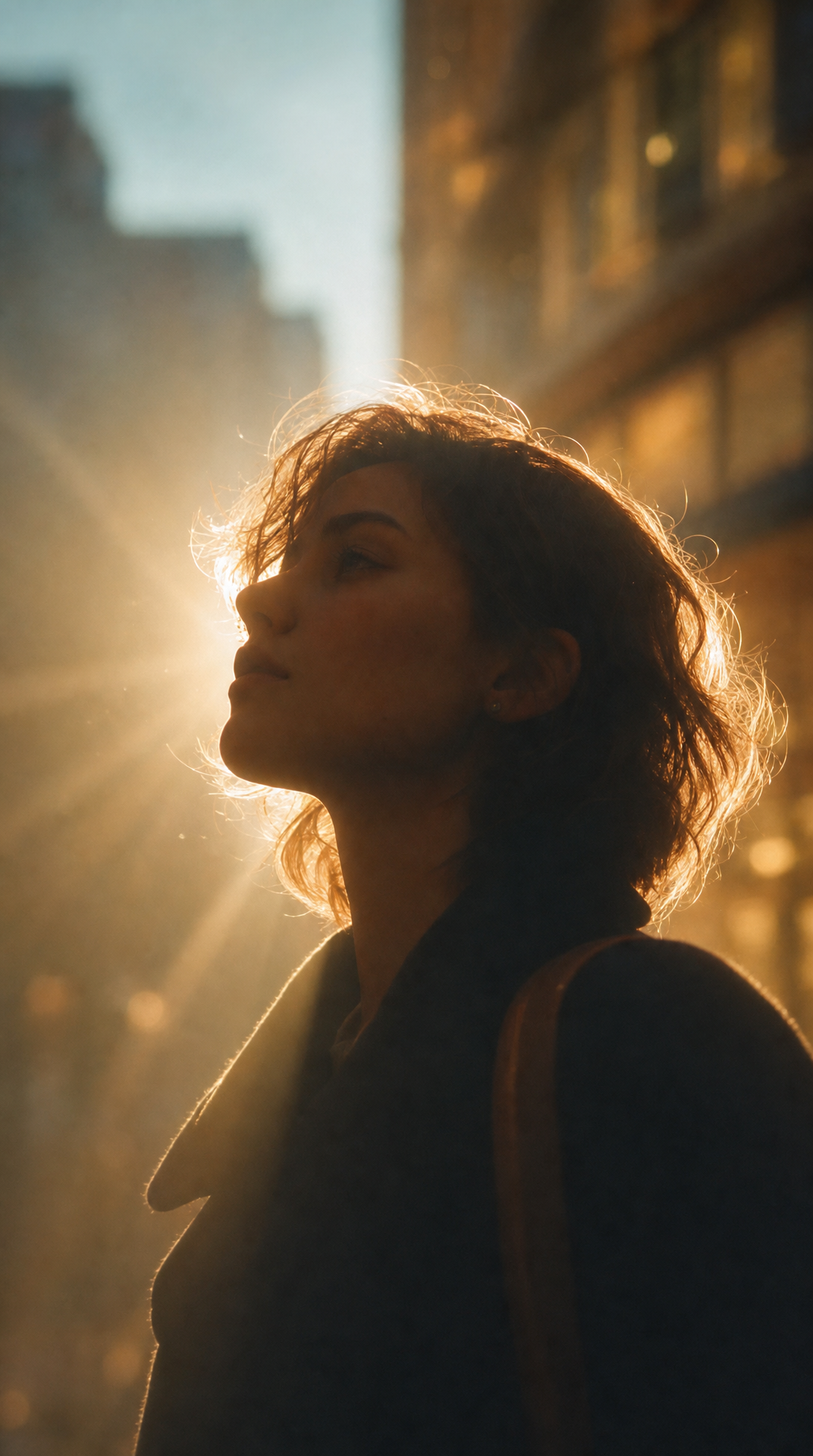
Silhouette Influencer by Sunlit Window
Sunlit editorial on striped beach towel