Why this works
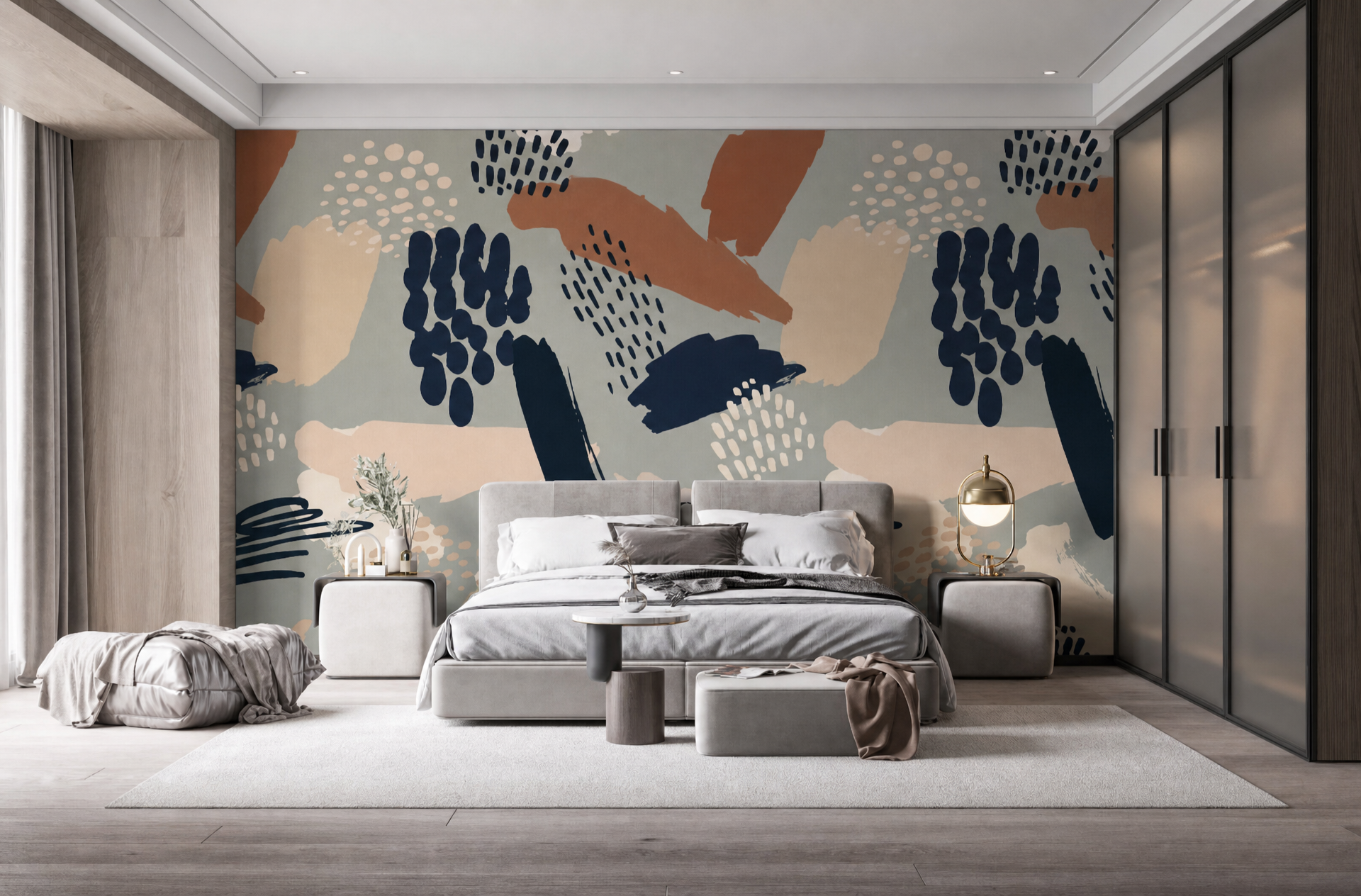
The centered large upholstered bed and “wide-angle composition showing clean architectural lines” establish a balanced wide-shot, while the bold abstract mural wall gives the otherwise minimalist room a clear visual anchor. “Indigo, rust, sand, sage, and dark navy” supplies a restrained earthy-blue palette that appears in the image as beige, blue, and brown against off-white bedding and the light gray rug. “Natural morning daylight,” “softer diffused shades,” and “soft shadows” keep the photorealistic materials calm rather than dramatic, while matte-frosted closet doors preserve the uncluttered, upscale finish.
FAQ
→How do I make the mural wall more central and visually dominant?
Replace “a bold abstract mural wall” with “an oversized floor-to-ceiling abstract mural covering the entire wall, with the strongest contrast behind the headboard,” and change “bed centered against” to “bed positioned slightly forward beneath the mural.” Keep the indigo, rust, and dark navy colors so the wall gains prominence without losing the existing palette.
→How do I make the bedroom warmer and more intimate instead of calm and architectural?
Replace “natural morning daylight” with “low, warm late-afternoon sunlight,” and replace “softer diffused shades” with “warm brass pendant lamps casting a gentle amber glow.” Change “light gray woven rug” to “thick warm oatmeal wool rug” and “off-white bedding” to “cream linen bedding with layered rust and sand throws.”
→How do I create a matching series of bedrooms in different colorways?
Keep the fixed structure, including “large upholstered bed centered,” “wide-angle composition,” and “floor-to-ceiling matte-frosted glass closet doors,” then replace “indigo, rust, sand, sage, and dark navy” with one controlled palette per variation, such as “terracotta, cream, olive, walnut, and charcoal” or “cobalt, ivory, pale blue, brass, and warm gray.” Preserve “photorealistic interior design,” “realistic materials,” and “natural morning daylight” so the series changes color while retaining the same visual language.
Learn the technique behind this
- Why can't AI spell, and how do I get readable text in an image? — Older diffusion models had no character-level representation of text, so they produced letterform-shaped texture instead of words.
- Which aspect ratio should I use, and how does it change the image? — Aspect ratio determines what the model composes, not how it's cropped afterwards.
- How should a prompt be structured, and does word order matter? — A prompt that behaves predictably names one subject first, then what it is doing, then where, then the light, then the lens or medium, then the style.
Related prompts
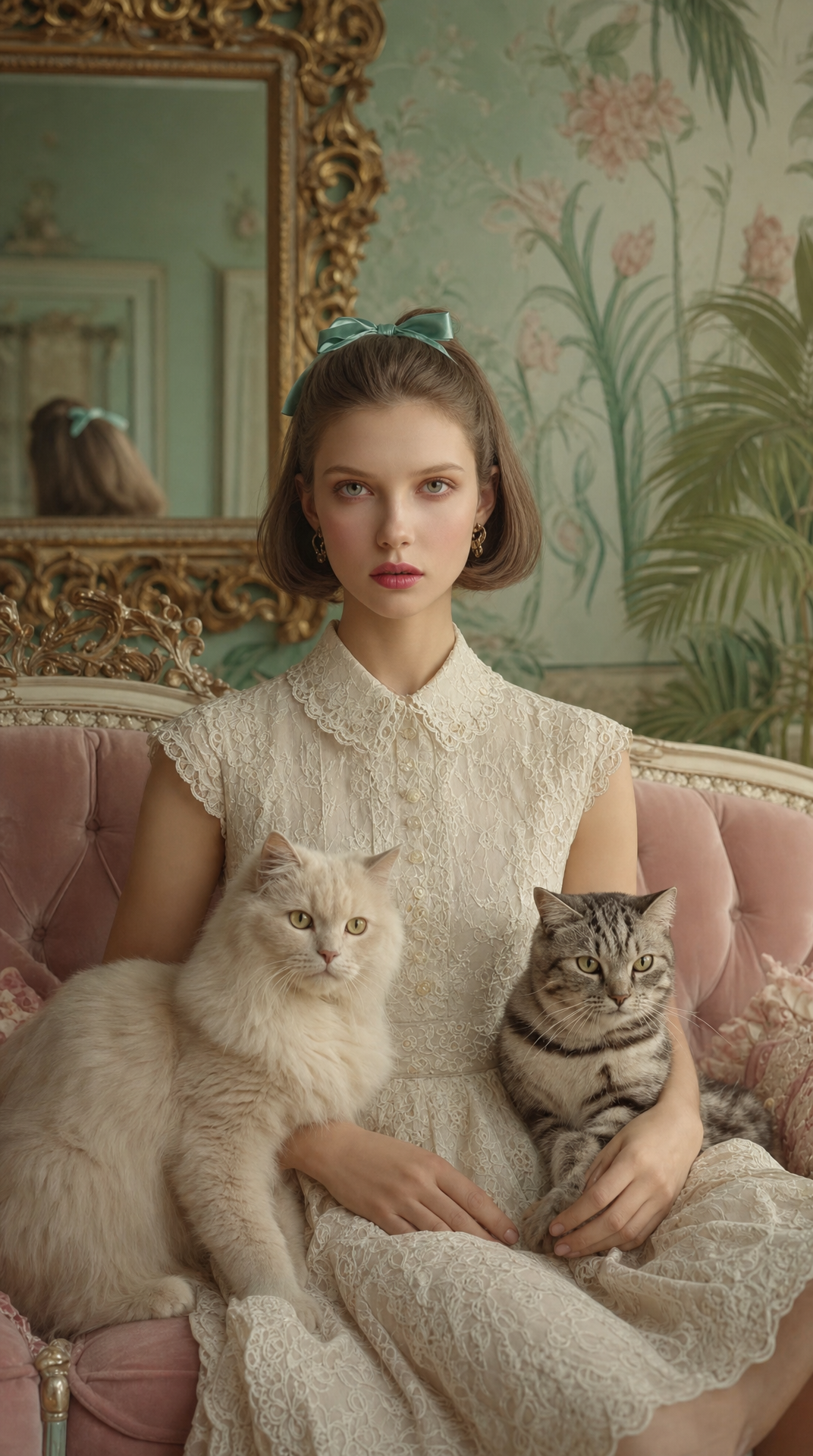
Young woman with two cats
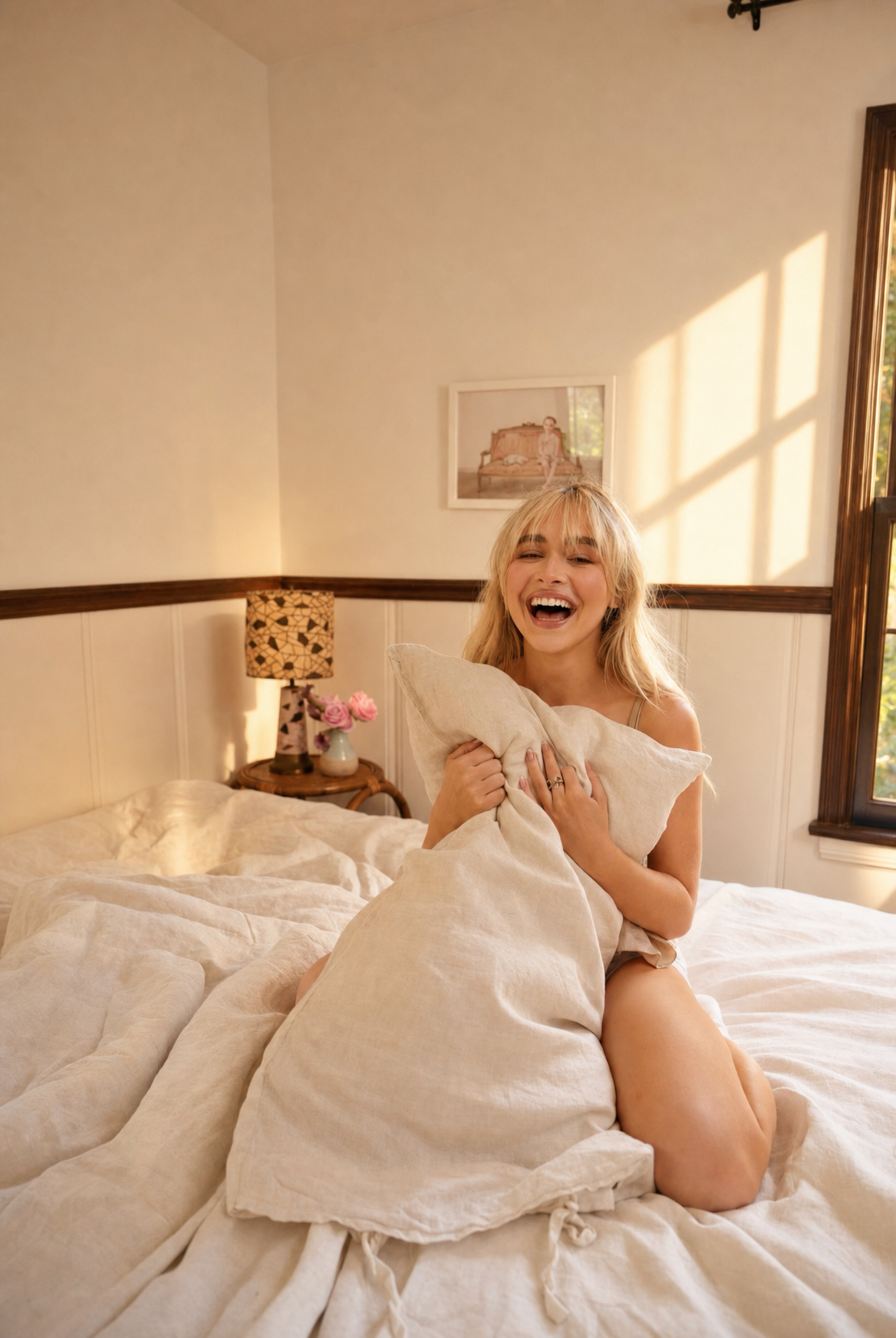
Blonde woman hugging beige pillow on off-white bed
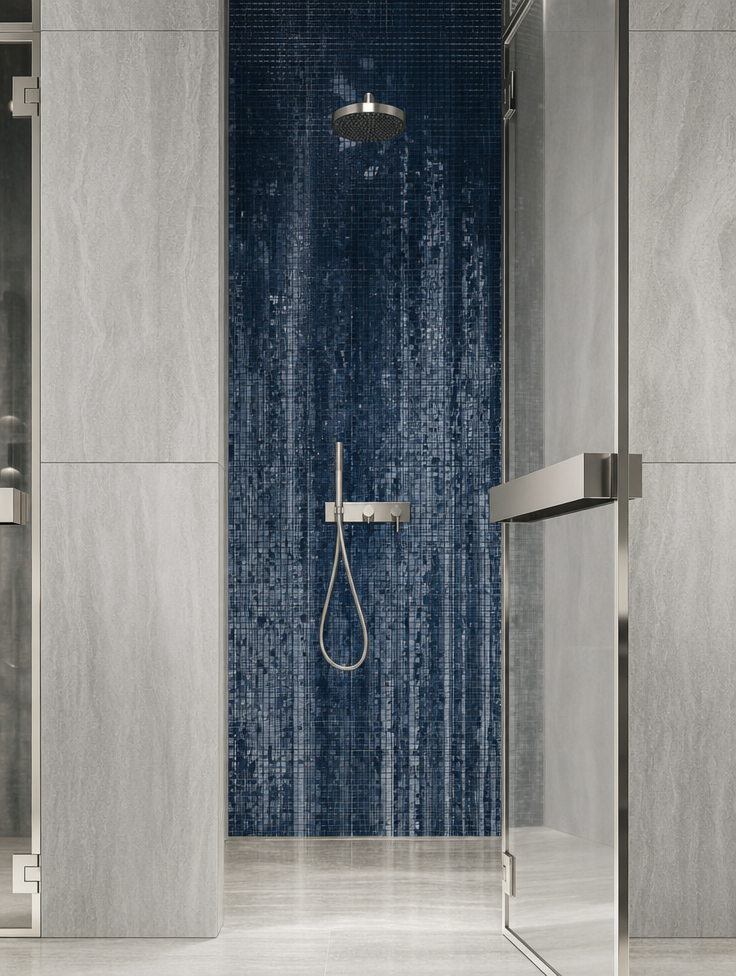
Luxury shower niche in cool tones
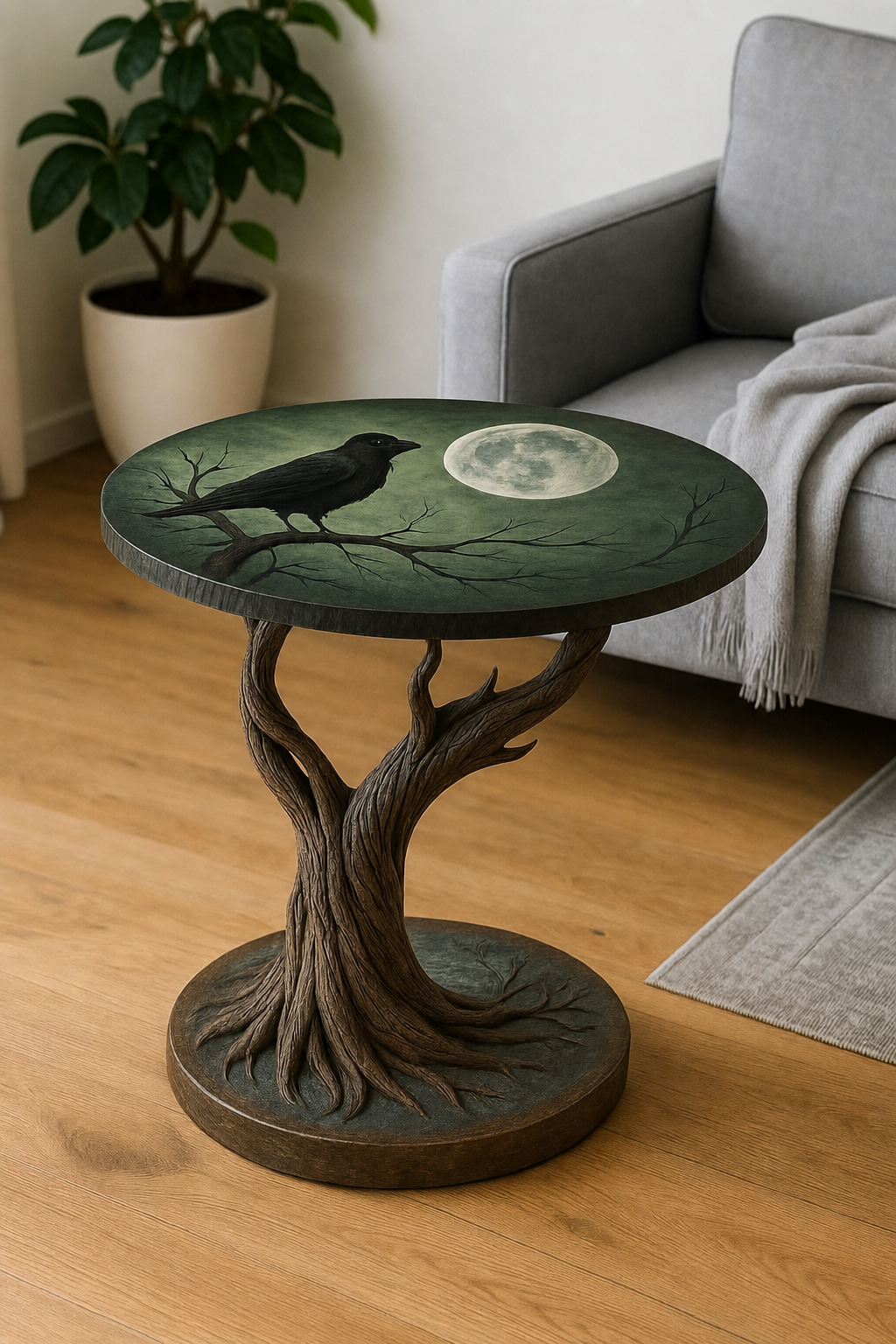
Twisted-Root Side Table with Green Top and Raven