Why this works
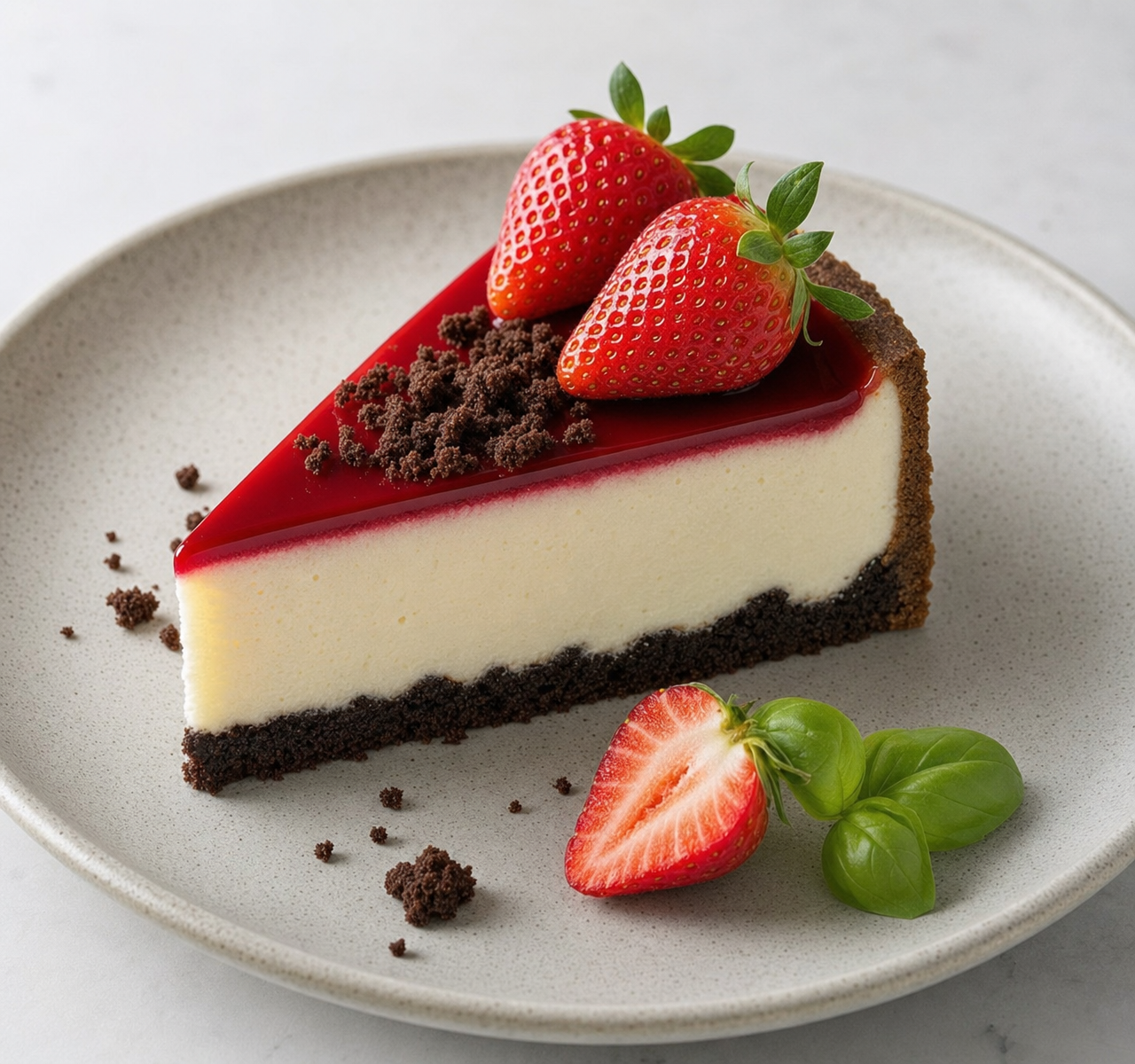
The centered close-up makes the strawberry cheesecake slice the unmistakable focal point, while “shallow depth of field” softens the minimal background and keeps attention on the creamy layers and garnishes. “Soft diffused late-morning window light” preserves the white vanilla filling and gray plate without harsh shadows, and the “glossy ruby-red berry glaze,” “crumbly dark biscuit base,” and “single basil leaf” create a precise red-brown-green contrast against the pale setting. “Elegant editorial food styling” and “natural color tones” keep the image refined rather than overly saturated, while “ultra-high detail” gives the glaze, strawberry slices, crumble, and biscuit texture visual weight.
FAQ
→How do I make the cheesecake slice feel more dramatic and luxurious?
Replace “soft diffused late-morning window light” with “dramatic side lighting with deep, controlled shadows,” and change “natural color tones” to “rich saturated reds, warm ivory highlights, and deep chocolate browns.” Keep “glossy ruby-red berry glaze” to make the stronger light catch the topping.
→How do I make the strawberries more central than the cheesecake layers?
Replace “centered” with “three-quarter composition with the sliced strawberries in the foreground,” and change “shallow depth of field” to “focus locked on the strawberry slices and glossy glaze, cheesecake layers slightly softer.” Add “large fresh strawberry garnish prominently framing the front edge” instead of “another whole strawberry garnish.”
→How do I turn this into a consistent series of dessert images?
Keep the fixed phrases “light gray ceramic plate,” “minimal clean background,” “soft diffused late-morning window light,” “shallow depth of field,” and “elegant editorial food styling.” Swap only “strawberry cheesecake slice” and its toppings for subjects such as “lemon tart with candied lemon peel” or “chocolate mousse cake with shaved dark chocolate,” while retaining “natural color tones” and the same close-up camera description.
Learn the technique behind this
- Why can't AI spell, and how do I get readable text in an image? — Older diffusion models had no character-level representation of text, so they produced letterform-shaped texture instead of words.
- How should a prompt be structured, and does word order matter? — A prompt that behaves predictably names one subject first, then what it is doing, then where, then the light, then the lens or medium, then the style.
- Do negative prompts work, and what should go in one? — Negative prompts work on models that support a separate negative conditioning channel — mainly Stable Diffusion and FLUX-family models.
Related prompts
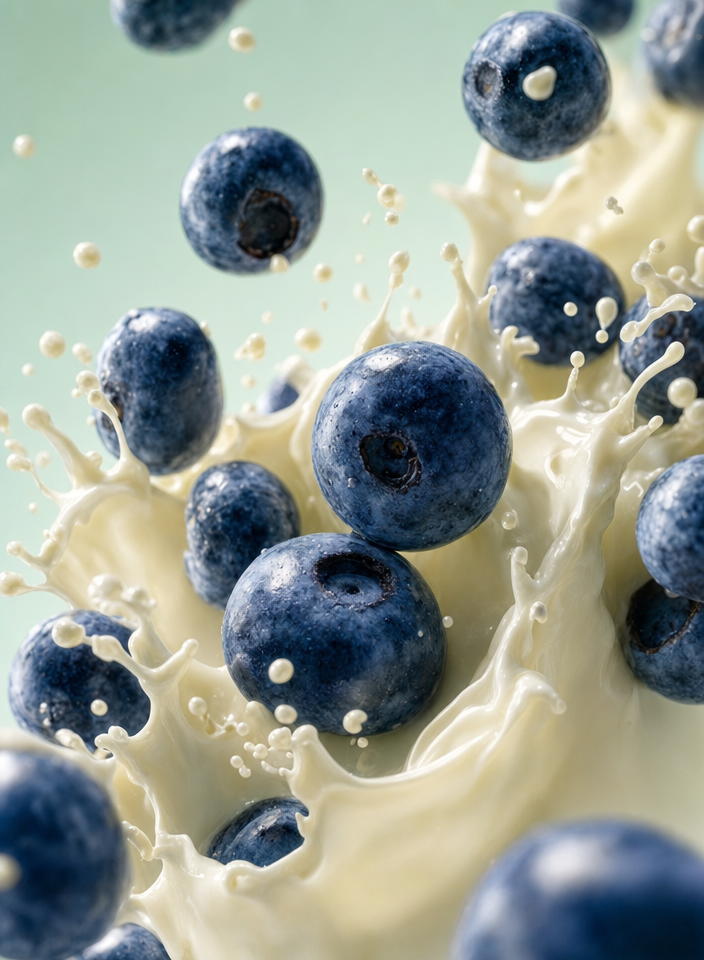
Blueberries Bursting Into Vanilla Cream
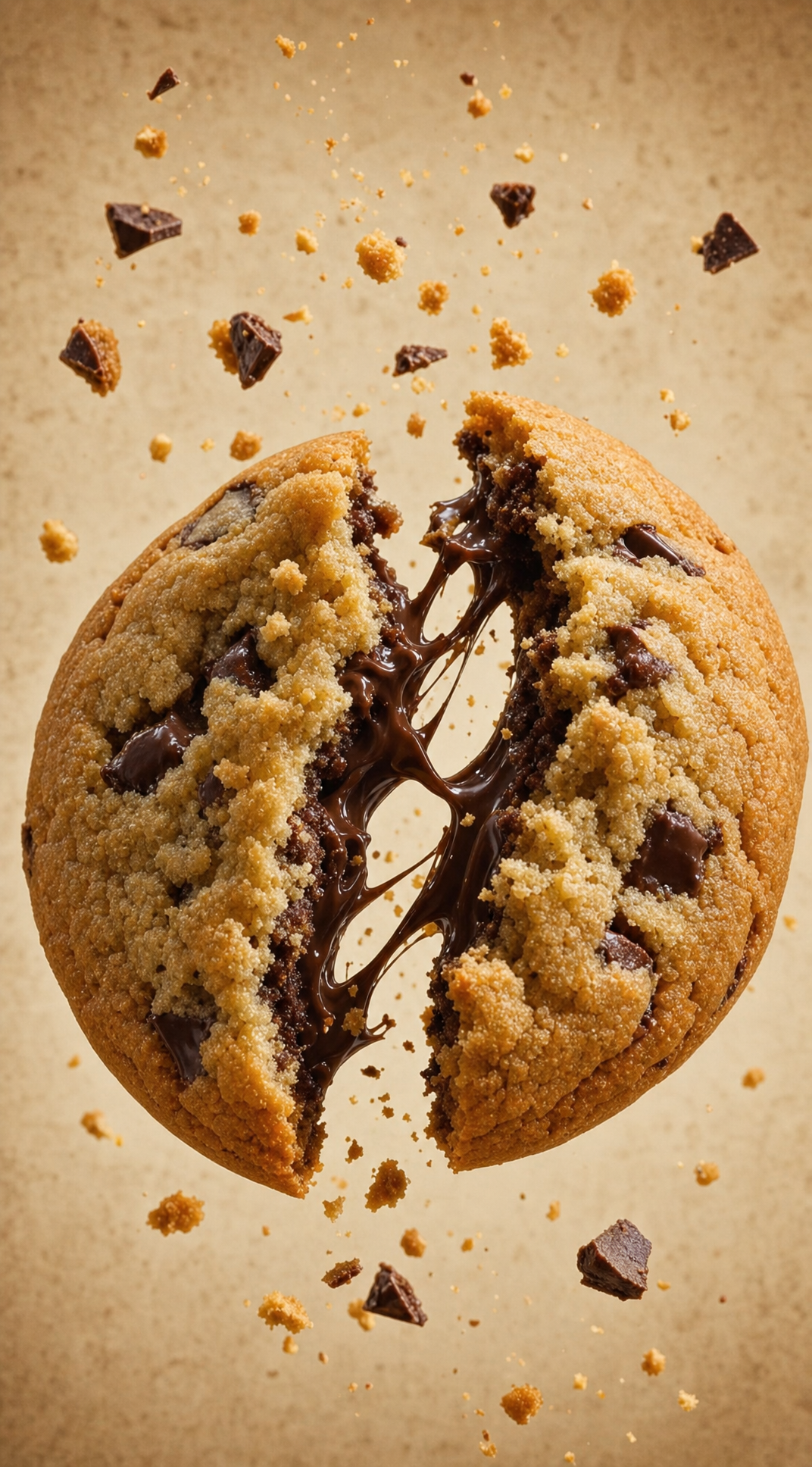
Chocolate Filled Cookie Splitting Midair With Dark Drip

Partially Peeled Banana on Blue
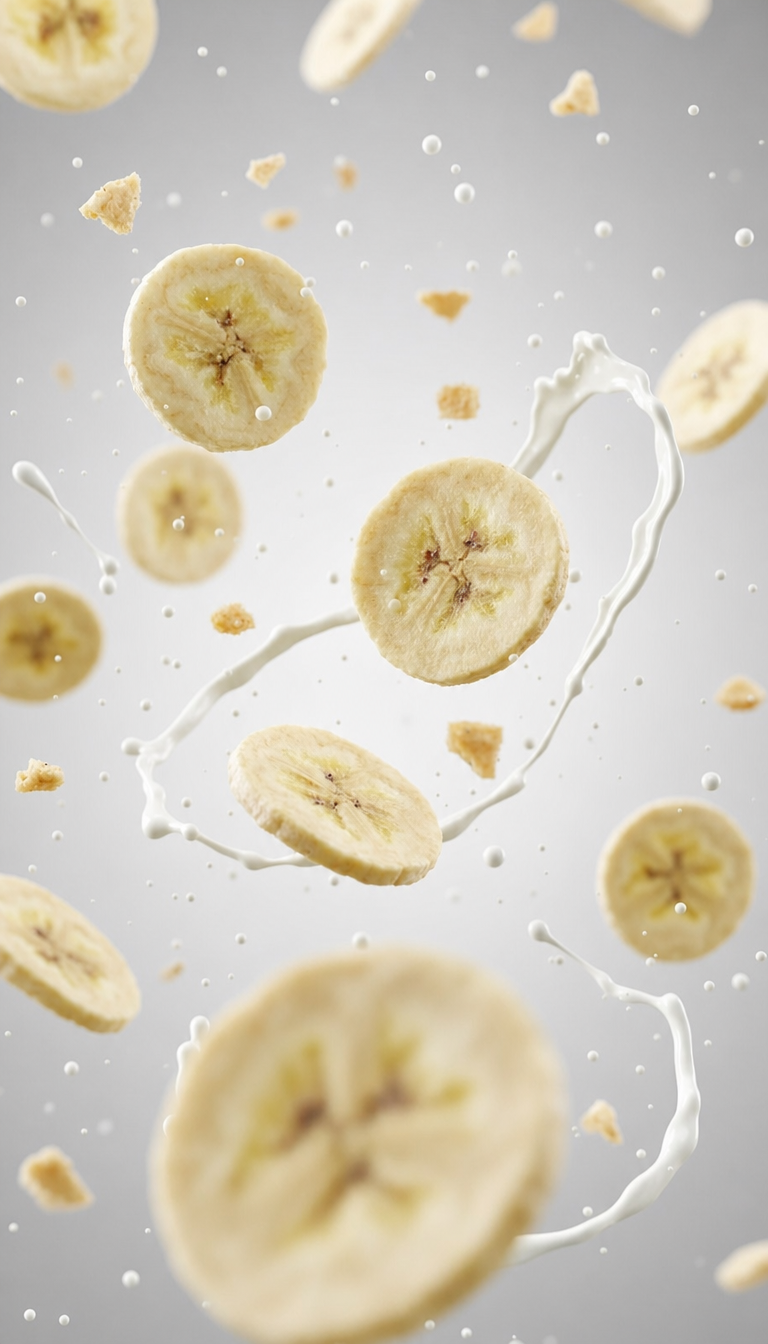
Banana slices in cool milk splash background