Why this works
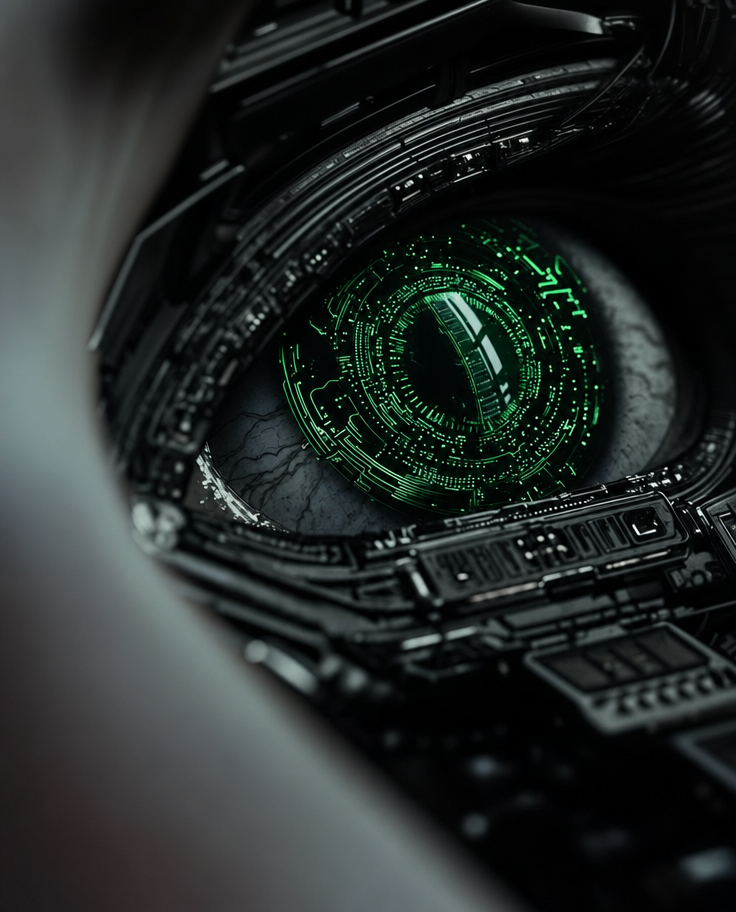
The phrase “dramatic photorealistic close-up” and the “intimate close-up of the eye’s mechanical housing” make the emerald iris the immediate focal point while preserving macro-level circuitry detail. “Emerald-green glowing iris core” supplies the dominant color accent against “gunmetal-black circuitry,” “dark sci-fi design,” and the gray metallic housing, creating a controlled gray-green harmony. “Cinematic low-key lighting,” “crisp specular highlights,” and “high contrast” establish the dark mysterious mood, while “shallow depth of field” and “smooth bokeh falloff” isolate the front iris and soften the surrounding mechanical structure.
FAQ
→How do I make the cybernetic eye feel more threatening and less mysterious?
Replace “dark mysterious futuristic” with “menacing, hostile industrial futurism,” and change “emerald-green glowing iris core” to “hot crimson warning-light iris with a narrowed aperture.” Keep “high contrast” and “crisp specular highlights,” but add “hard directional red rim light” to make the threat signal more prominent.
→How do I make the surrounding circuitry as prominent as the iris?
Replace “shallow depth of field” with “deep focus across the entire mechanical housing,” and change “dramatic close-up” to “tight three-quarter macro portrait.” Add “circuitry and engraved micro-panels in equal visual priority with the iris” so the gunmetal structures remain sharply resolved instead of dissolving into bokeh.
→How do I build a variation series with different iris colors while keeping the same design?
Keep “futuristic cybernetic eye,” “gunmetal-black circuitry,” “fine engraved micro-panels,” and “cinematic low-key lighting” unchanged, then replace only “emerald-green glowing iris core” with variants such as “electric-blue plasma iris core,” “amber-gold photonic iris core,” or “violet ultraviolet iris core.” For consistent comparisons, retain “dramatic photorealistic close-up,” “high contrast,” and “smooth bokeh falloff” in every prompt.
Learn the technique behind this
- Why can't AI spell, and how do I get readable text in an image? — Older diffusion models had no character-level representation of text, so they produced letterform-shaped texture instead of words.
- How should a prompt be structured, and does word order matter? — A prompt that behaves predictably names one subject first, then what it is doing, then where, then the light, then the lens or medium, then the style.
- Do negative prompts work, and what should go in one? — Negative prompts work on models that support a separate negative conditioning channel — mainly Stable Diffusion and FLUX-family models.
Related prompts

DJ in neon haze at low angle
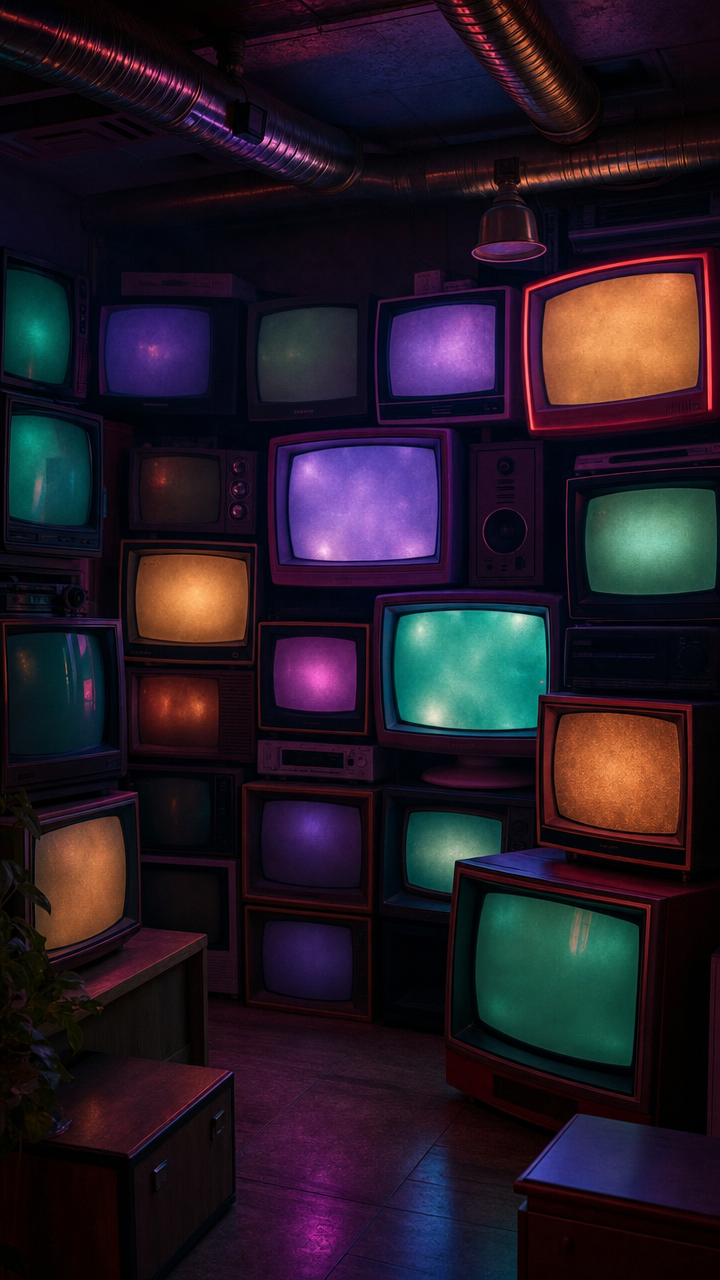
Neon CRT Wall in Industrial Haze
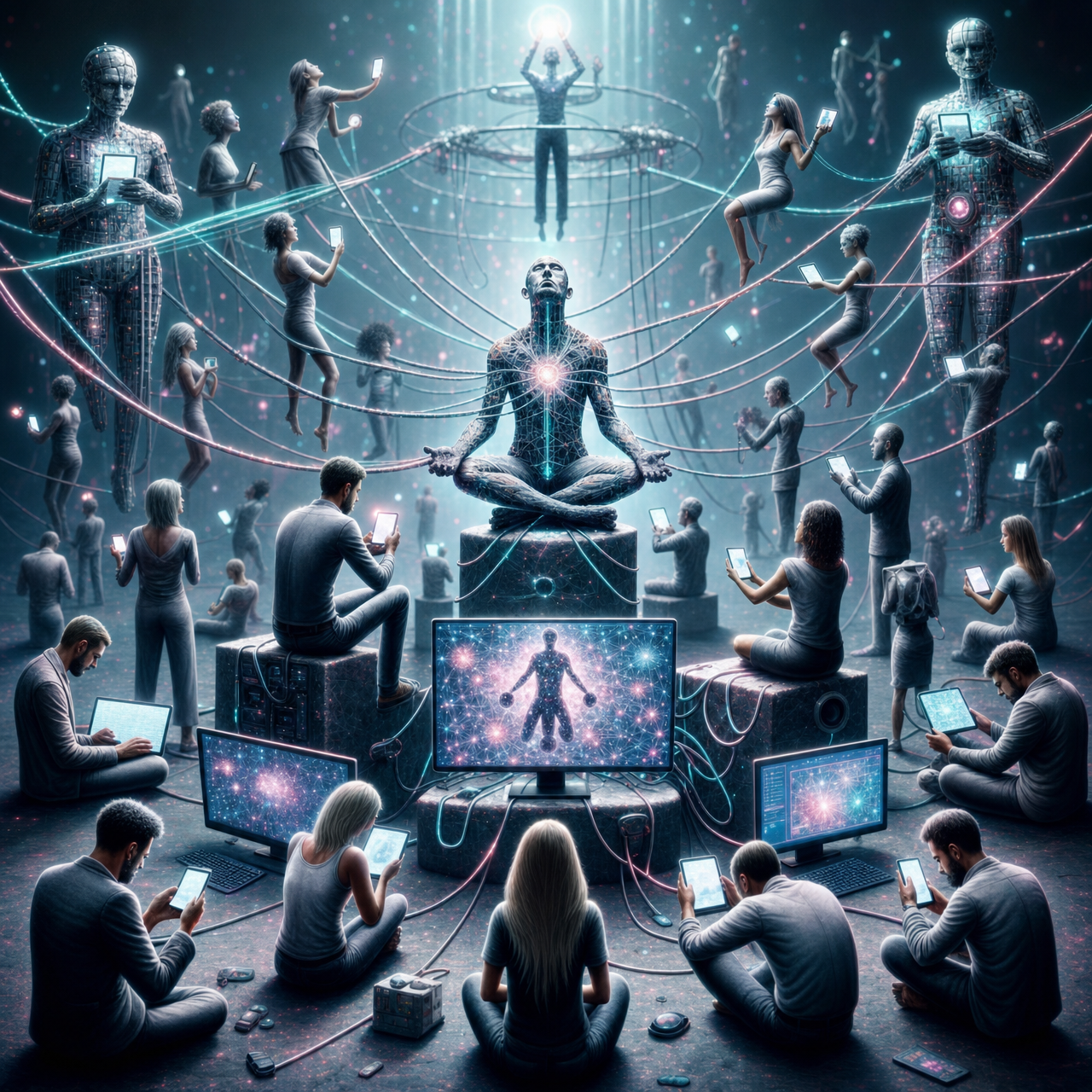
Meditating Human Linked to Teal Device Network
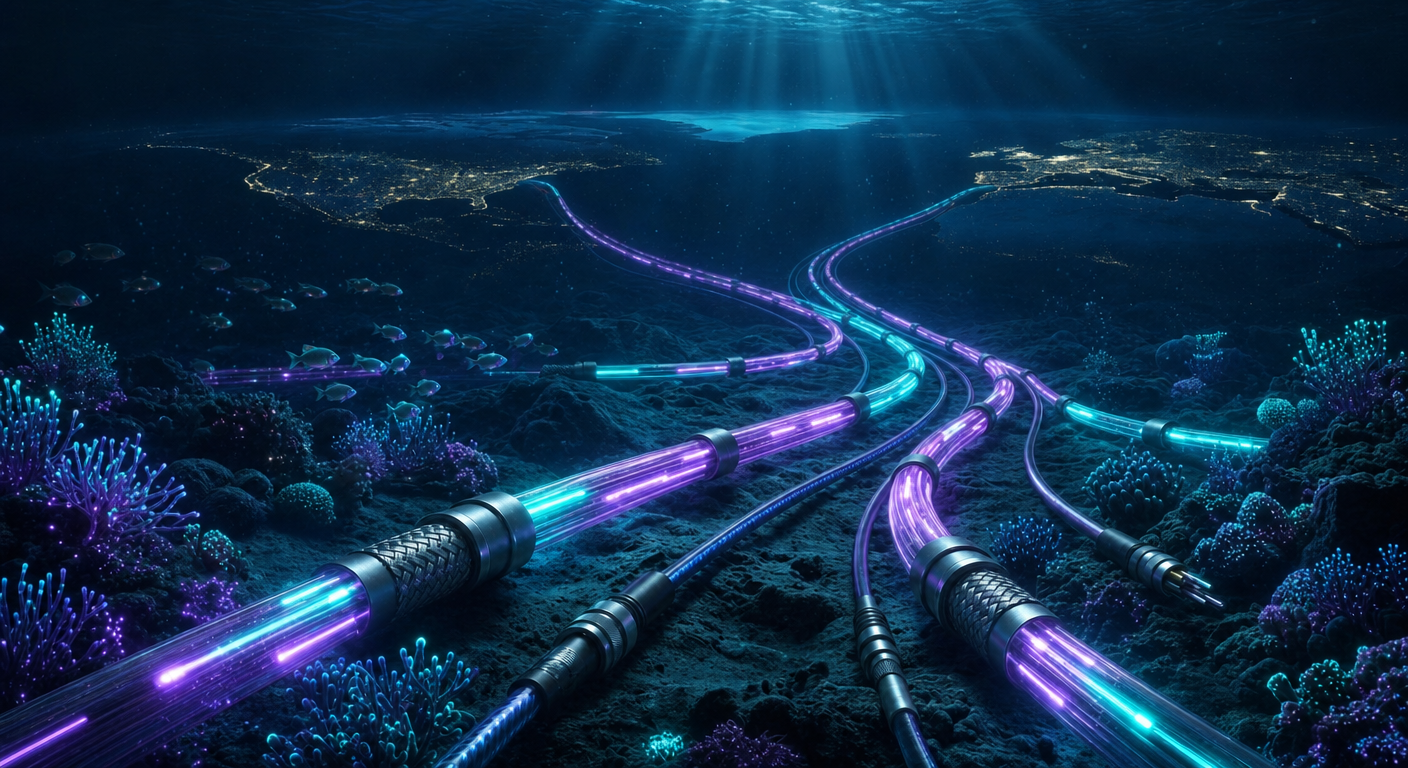
Glowing Fiber-Optic Cables With Purple Data Lines