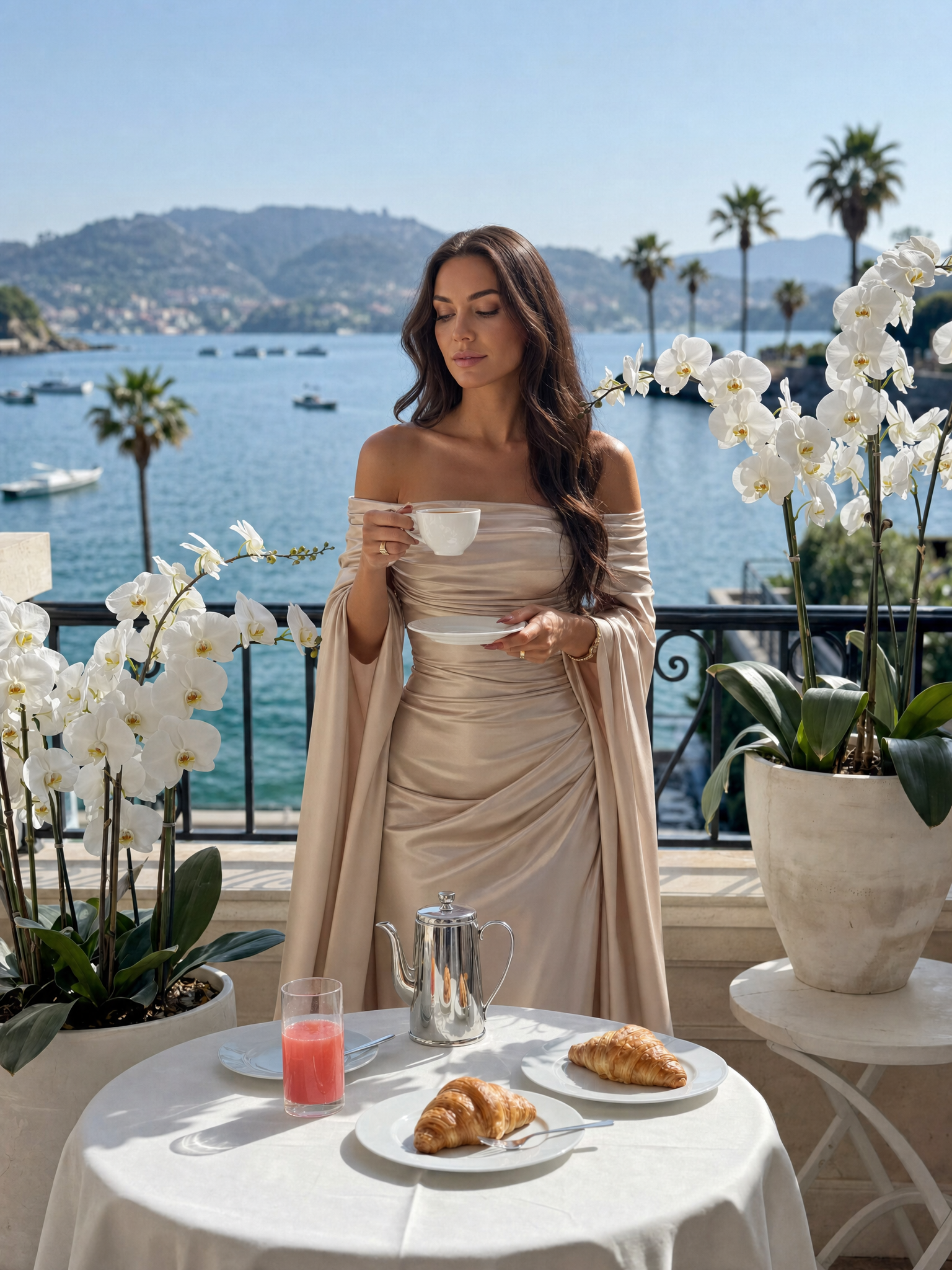
Same prompt, generated with each model separately — click one to see how it holds up.
Why this works
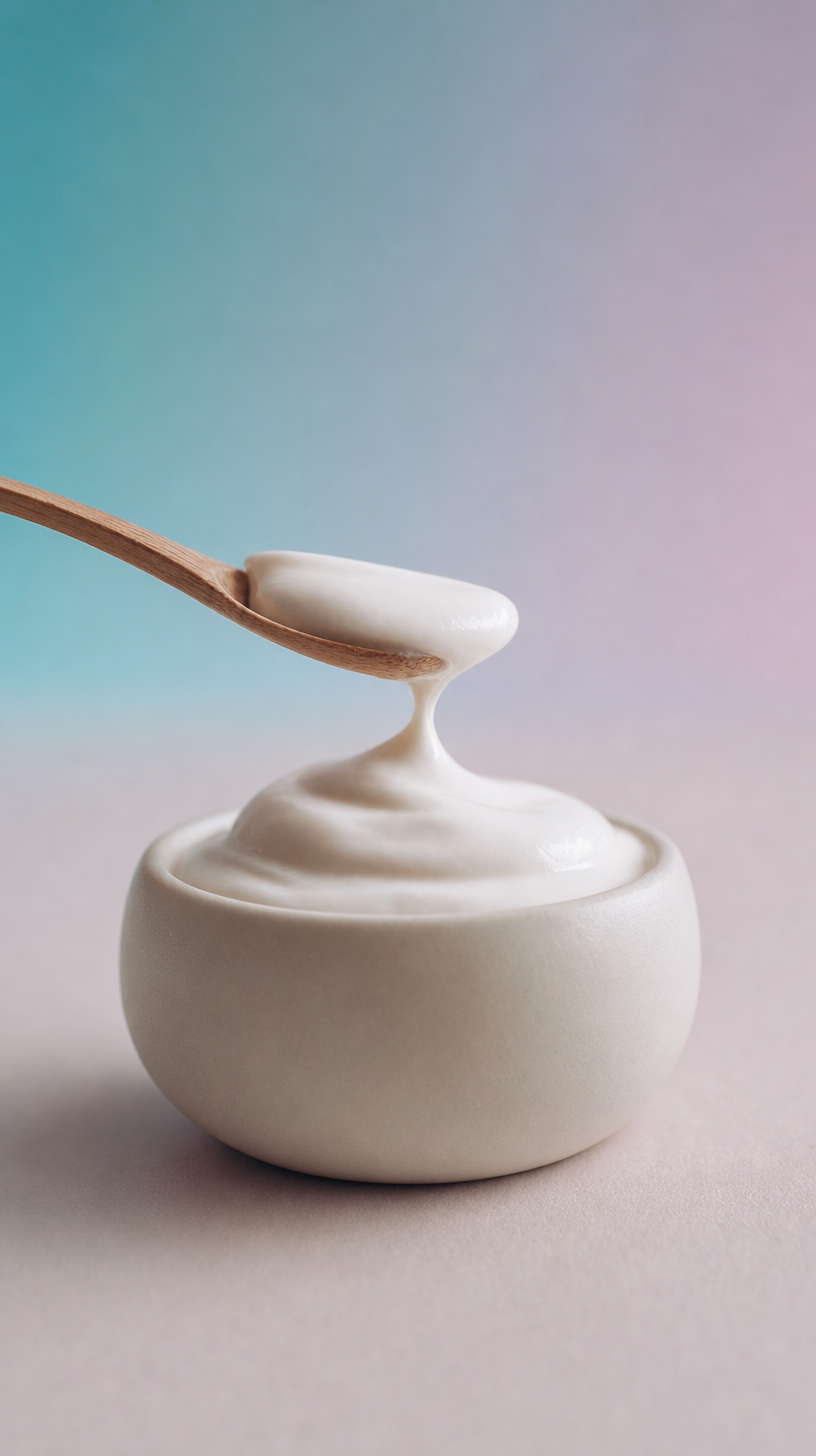
The centered macro framing makes the spoon and rounded yogurt dollop the immediate focal point, while “small ceramic bowl” keeps the subject compact against generous “clean negative space.” The “pastel teal-to-lavender gradient background” produces the image’s sky-blue and pink field, and “matte off-white” plus “warm-neutral color grading” keeps the white bowl and yogurt from feeling sterile. “Soft diffused studio light with gentle side fill” preserves the airy mood, while “shallow depth of field” separates the dollop from the bowl and lets “subtle micro-ripples and delicate specular highlights” carry the texture detail.
FAQ
→How do I make the lifted yogurt dollop more prominent?
Replace “small ceramic bowl” with “partially cropped ceramic bowl” and add “large spoon and oversized rounded dollop dominating the foreground.” Change “centered” to “dollop centered in the upper third, bowl cropped at the lower edge,” while keeping “macro shot” and “shallow depth of field” to maintain close focus.
→How do I change the soft pastel mood to a darker, more dramatic one?
Replace “pastel teal-to-lavender gradient background” with “deep navy-to-plum gradient background,” and change “soft diffused studio light with gentle side fill” to “dramatic single side light with controlled shadow falloff.” Replace “warm-neutral color grading” with “cool, high-contrast grading,” while retaining “delicate specular highlights” so the yogurt still reads as glossy and creamy.
→How do I build a coordinated series with different yogurt flavors?
Keep “macro high-end food photography,” “centered,” “clean negative space,” and the “matte off-white” bowl unchanged for visual consistency. Swap “thick yogurt” and its color cues for flavor-specific language such as “strawberry yogurt with a pale blush tint and sliced strawberries,” “blueberry yogurt with violet marbling and fresh blueberries,” or “honey yogurt with golden swirls and a honey drizzle,” then assign each variation a related two-color gradient background.
Learn the technique behind this
- Why can't AI spell, and how do I get readable text in an image? — Older diffusion models had no character-level representation of text, so they produced letterform-shaped texture instead of words.
- How should a prompt be structured, and does word order matter? — A prompt that behaves predictably names one subject first, then what it is doing, then where, then the light, then the lens or medium, then the style.
- Do negative prompts work, and what should go in one? — Negative prompts work on models that support a separate negative conditioning channel — mainly Stable Diffusion and FLUX-family models.
Related prompts
Blueberries Bursting Into Vanilla Cream
Chocolate Filled Cookie Splitting Midair With Dark Drip
Partially Peeled Banana on Blue
Banana slices in cool milk splash background