Why this works
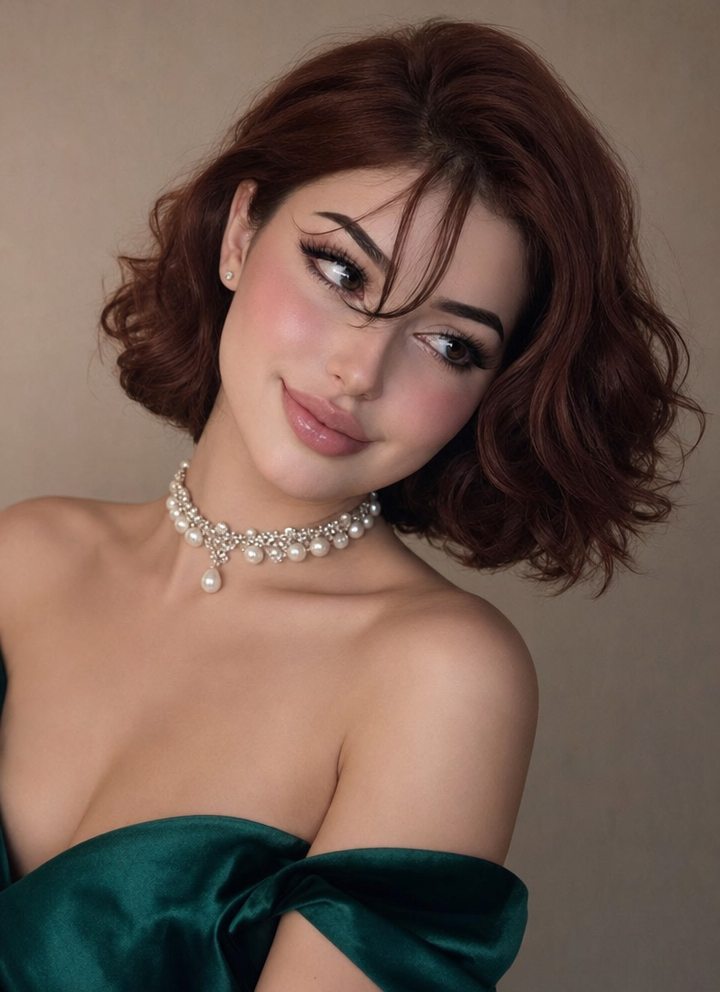
The phrase “glossy black chess king is held close to the lens” makes the piece the dominant foreground anchor, while “distorted wide-angle lens perspective” stretches the depth between it and the man. “Deep, velvety studio-dark background” and “dramatic studio lighting with high contrast” establish the moody, confident editorial tone, with “subtle brass-gold accents and reflective highlights” explaining the image’s brown, tan, and gold warmth. The man’s direct gaze, “one hand against his head,” and “relaxed, pensive expression” keep the candid-action composition human rather than purely conceptual, while “shallow depth of field” isolates the chess king and facial detail.
FAQ
→How do I make the young man more prominent than the foreground chess king?
Replace “a glossy black chess king is held close to the lens, intensifying depth and exaggerated perspective” with “the young man fills most of the frame, with a small black chess king resting on the table in the lower foreground.” Change “shallow depth of field, emphasizing the foreground chess piece” to “shallow depth of field, emphasizing the man’s eyes and detailed skin texture.”
→How do I shift this from moody drama to a brighter luxury-fashion mood?
Replace “deep, velvety studio-dark background” with “warm ivory studio background,” and change “dramatic studio lighting with high contrast” to “soft, broad key lighting with gentle fill.” Keep “subtle brass-gold accents,” but replace “polished dark chessboard” with “glossy walnut chessboard with champagne-gold details” for a lighter brown-and-gold palette.
→How do I create a series of variations using different chess pieces and poses?
Keep “cinematic fashion photography,” “distorted wide-angle lens perspective,” and “polished chessboard tabletop” unchanged, then swap “a glossy black chess king” for “a white queen,” “a black knight,” or “a cluster of fallen pawns.” Pair each piece with a distinct action such as “holding the queen beside his face,” “reaching toward the knight,” or “scattering pawns across the board,” while replacing “relaxed, pensive expression” with expressions such as “quietly calculating,” “defiantly amused,” or “surprised mid-turn.”
Learn the technique behind this
- Why can't AI spell, and how do I get readable text in an image? — Older diffusion models had no character-level representation of text, so they produced letterform-shaped texture instead of words.
- How should a prompt be structured, and does word order matter? — A prompt that behaves predictably names one subject first, then what it is doing, then where, then the light, then the lens or medium, then the style.
- Why does AI get hands and faces wrong, and how do I fix it? — Hands fail because they're small in frame, extremely variable in pose, and self-occluding — the model has less usable signal per pixel than for any other body part.
Related prompts
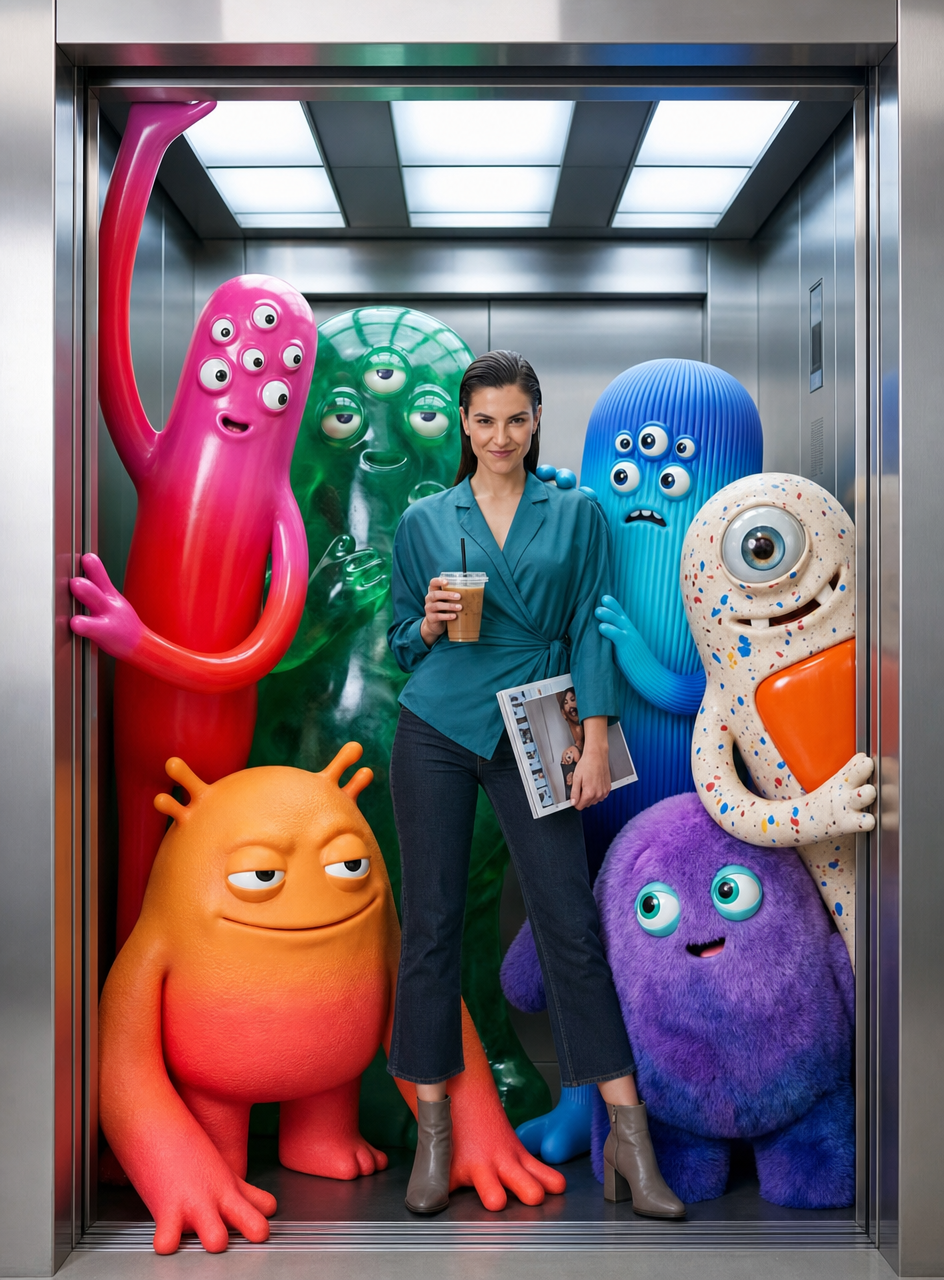
Teal fashion editorial in monster-filled lift
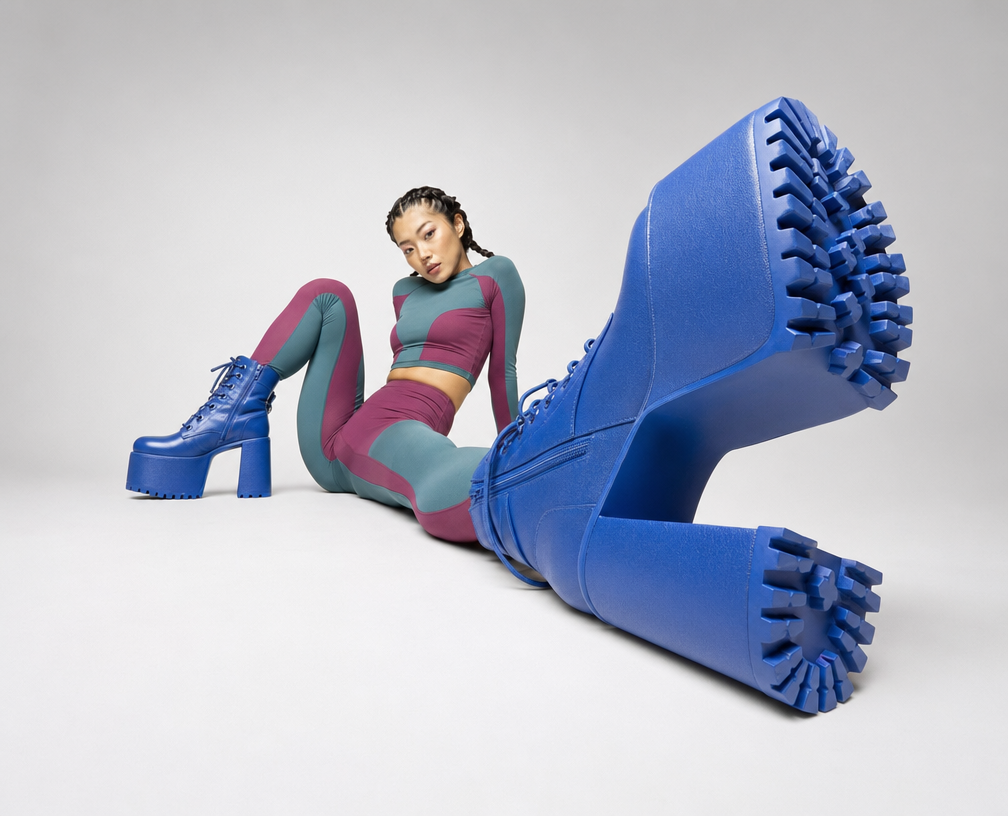
Cobalt Boots in Sleek Studio Edit
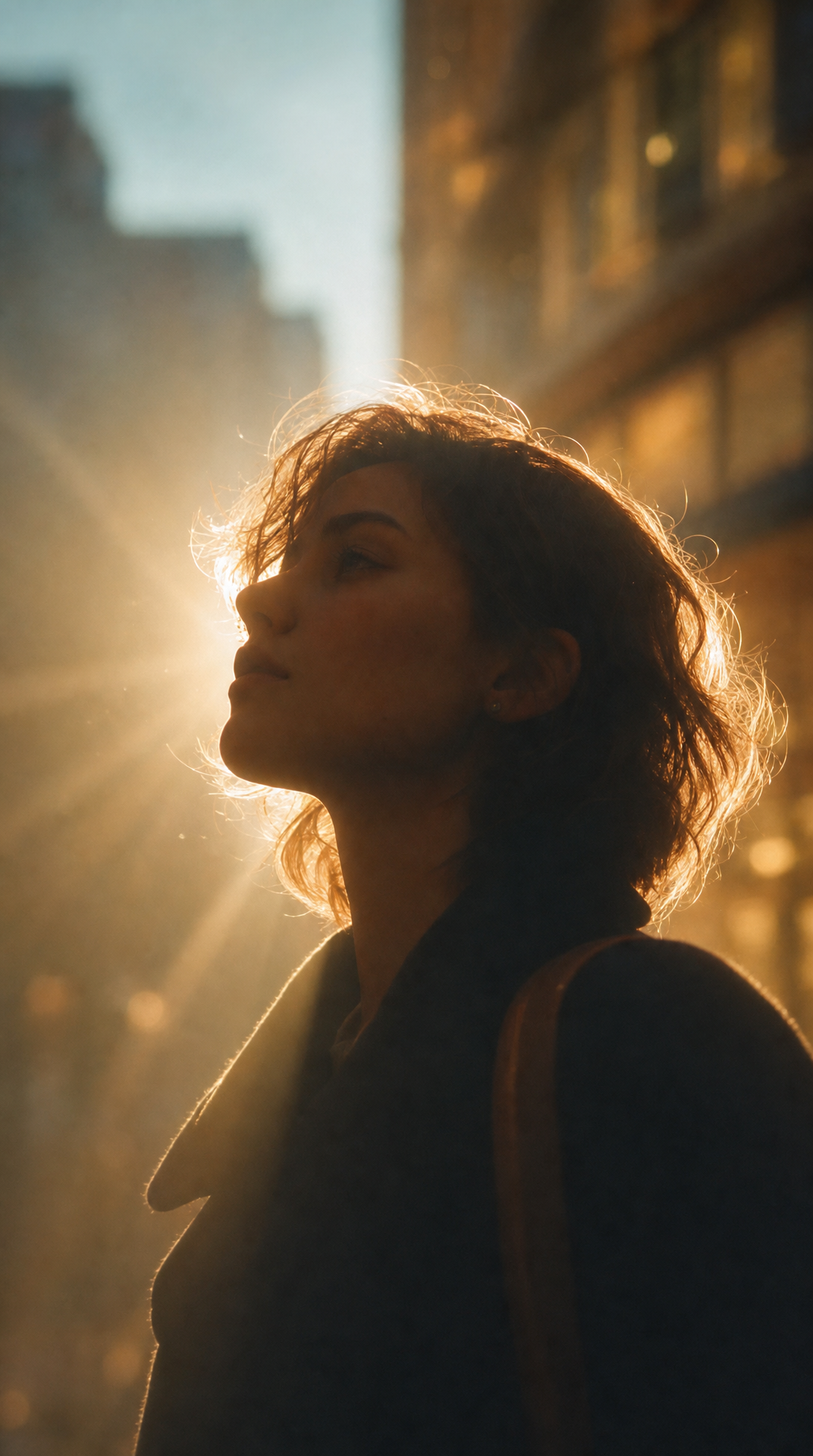
Silhouette Influencer by Sunlit Window
Sunlit editorial on striped beach towel