Why this works
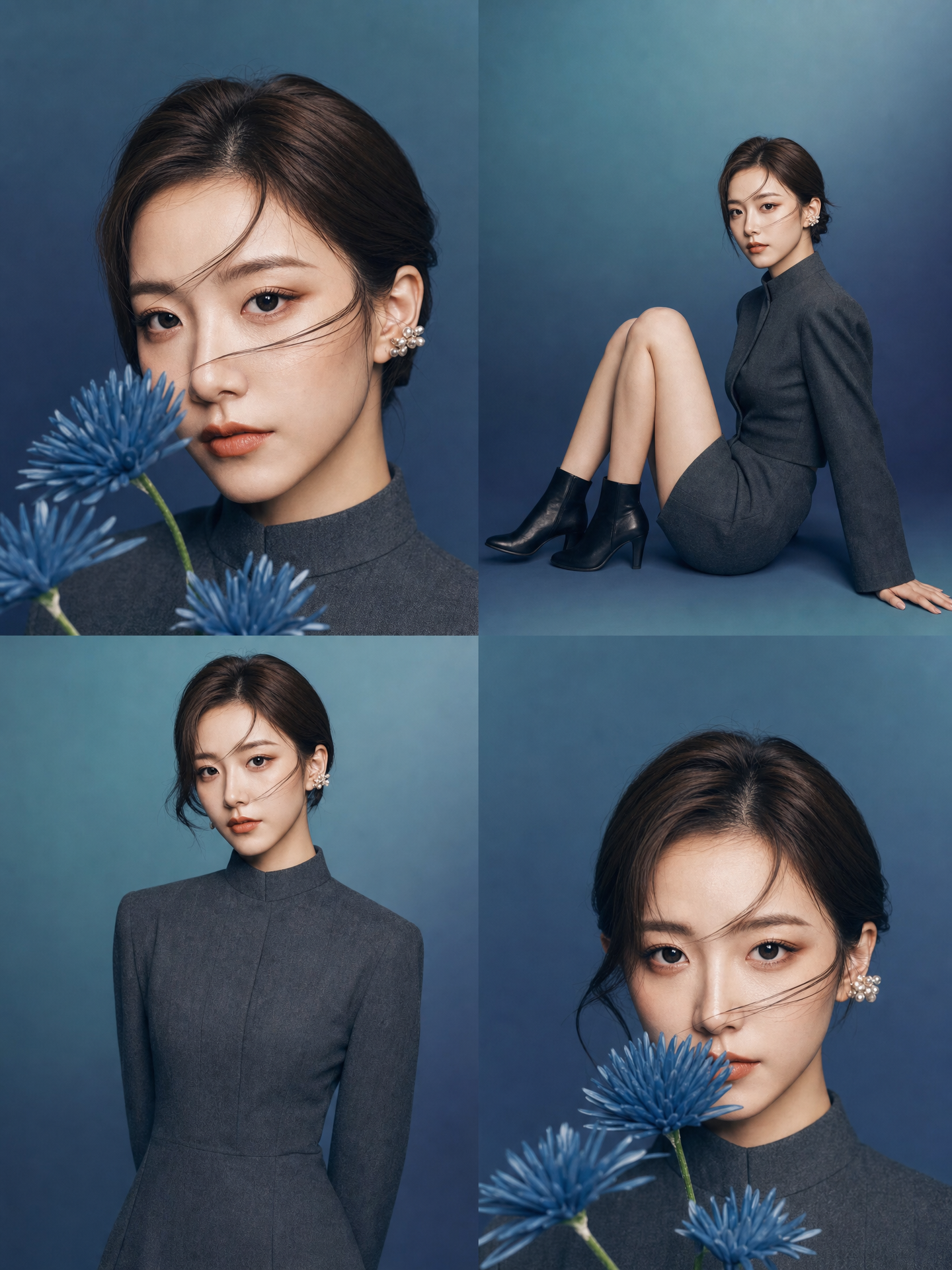
The centered collage composition is anchored by “editorial portrait framing” and the mix of “close-up beauty shots” with “a seated full-body view,” giving the image both facial intimacy and outfit context. “Soft, diffused studio lighting with crisp skin detail” keeps the mood polished rather than harsh, while “cool teal-to-indigo studio gradient background” supplies a controlled cool contrast against the charcoal-grey blazer dress; “sharp focus on facial features and fabric texture” makes the face and tailoring the visual priorities. The “minimalist magazine aesthetic,” pearl-like floral pin, and “controlled hair strands lightly across her cheek” add small, deliberate editorial details without breaking the clean composition.
FAQ
→How do I make the seated full-body pose more prominent than the beauty close-ups?
Replace “a mix of close-up beauty shots and a seated full-body pose” with “one dominant seated full-body fashion portrait, with two smaller close-up beauty insets.” Keep “sharp focus on facial features and fabric texture,” but add “full outfit and heeled ankle boots clearly visible” so the composition gives the pose more visual weight.
→How do I shift this from cool and polished to warmer and more intimate?
Replace “cool teal-to-indigo studio gradient background” with “warm champagne-to-dusty-rose studio gradient background,” and change “soft, diffused studio lighting” to “warm directional window-like lighting with gentle cheek shadows.” Replace the mood wording “sleek, elegant, cool, polished” with “soft, intimate, quietly luxurious,” while retaining “crisp skin detail” to prevent the portrait from becoming hazy.
→How do I build a coordinated series of variations from this fashion collage?
Keep “young East Asian woman,” “minimalist high-fashion magazine aesthetic,” “editorial collage combining close-ups and a seated full-body pose,” and “sharp focus on facial features and fabric texture” unchanged across the series. Swap “tailored charcoal-grey high-neck blazer dress” for controlled alternatives such as “structured ivory satin suit,” “deep burgundy velvet column dress,” or “midnight-blue sculptural coat,” and replace “cool teal-to-indigo” with matching backgrounds such as “ivory-to-sand,” “plum-to-wine,” or “navy-to-cobalt.”
Learn the technique behind this
- Why can't AI spell, and how do I get readable text in an image? — Older diffusion models had no character-level representation of text, so they produced letterform-shaped texture instead of words.
- How should a prompt be structured, and does word order matter? — A prompt that behaves predictably names one subject first, then what it is doing, then where, then the light, then the lens or medium, then the style.
- Which aspect ratio should I use, and how does it change the image? — Aspect ratio determines what the model composes, not how it's cropped afterwards.
Related prompts
Teal fashion editorial in monster-filled lift
Cobalt Boots in Sleek Studio Edit
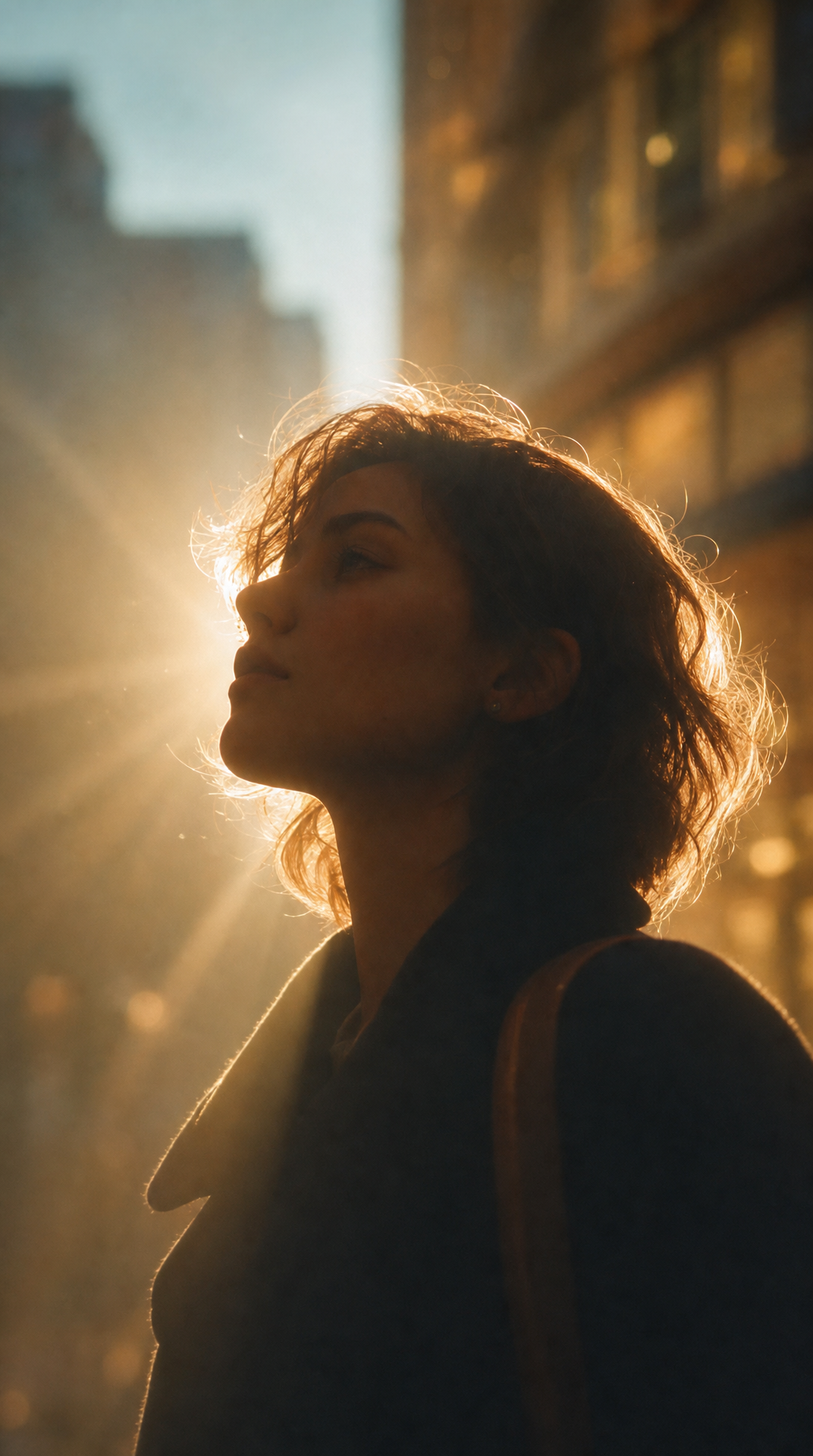
Silhouette Influencer by Sunlit Window
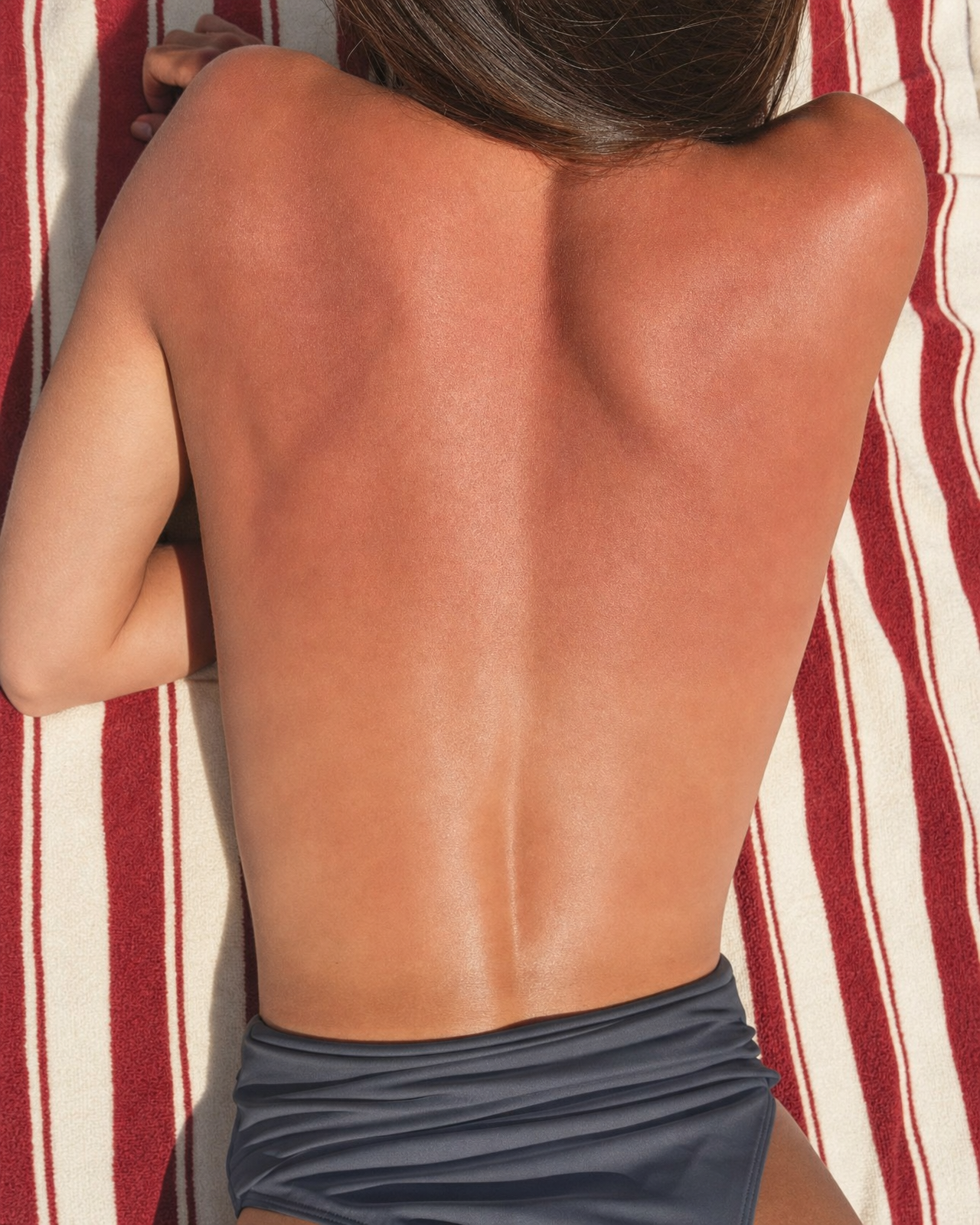
Sunlit editorial on striped beach towel