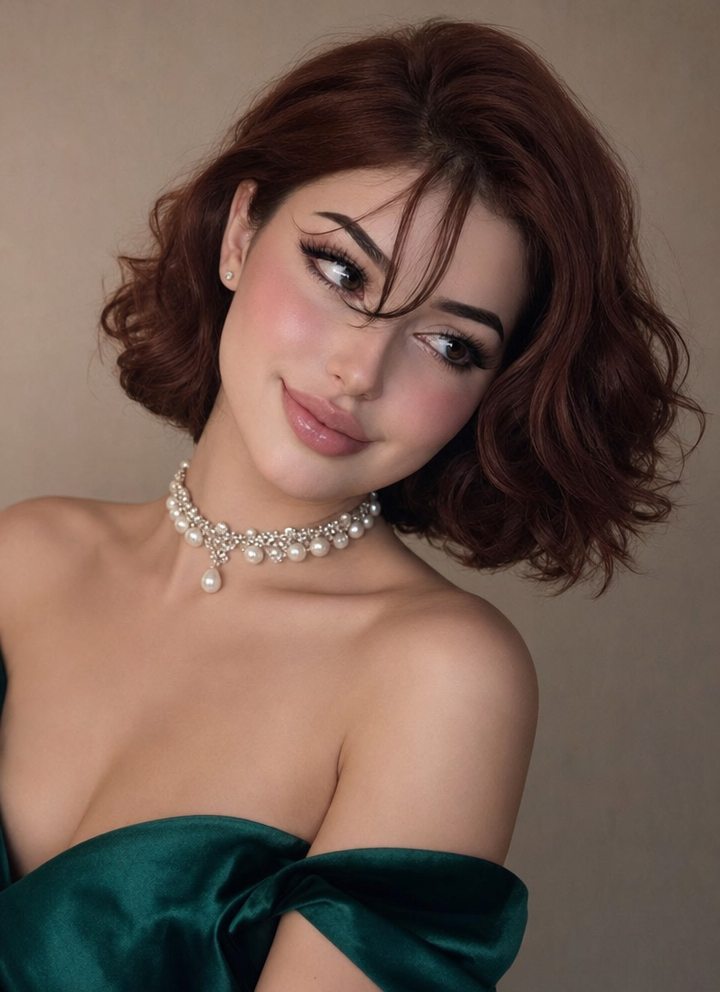
Why this works
The centered full-body framing makes the gown’s scale and silhouette readable, while “voluminous lavender-purple tulle,” “dramatic flowing folds,” and “swirling fabric” create the image’s sweeping vertical movement. “Soft warm golden-hour daylight” warms the realistic skin and hair against the “pastel cool violet haze,” producing a cool-purple and warm-gold contrast rather than a flat monochrome palette. “Small white daisy-like blossoms floating gently around her” add light foreground accents, while “shallow depth of field” keeps the woman and detailed fabric texture sharp against the blurred spring blooms.
FAQ
→How do I make the gown more visually dominant than the model?
Keep “centered full-body framing,” but replace “blonde woman standing in” with “a couture gown as the primary subject, with the woman’s face partially obscured,” and add “extreme train spreading across the foreground” after “swirling fabric.” Replace “soft translucent layers” with “architectural layers of translucent tulle and oversized sculptural folds” to increase the dress’s visual mass.
→How do I shift this from romantic golden hour to a cooler, more mysterious mood?
Replace “Soft, warm golden-hour daylight” with “cool diffused moonlight with subtle silver rim light,” and change “ethereal romantic atmosphere” to “quiet surreal nocturnal atmosphere.” Replace “pastel cool violet haze” with “deep indigo and smoky violet haze,” while keeping “small white daisy-like blossoms” so the flowers become stark highlights against the darker background.
→How do I build a coordinated series with different flower and gown variations?
Keep the fixed structure, including “cinematic centered full-body framing,” “shallow depth of field,” and “luxurious fine art fashion photography,” then swap only the paired color and botanical phrases. For example, replace “lavender-purple tulle” and “small white daisy-like blossoms” with “pale mint-green silk organza” and “floating white baby’s-breath sprigs,” or with “deep sapphire-blue velvet tulle” and “scattered silver star-shaped blossoms.”
Learn the technique behind this
- Why can't AI spell, and how do I get readable text in an image? — Older diffusion models had no character-level representation of text, so they produced letterform-shaped texture instead of words.
- Which aspect ratio should I use, and how does it change the image? — Aspect ratio determines what the model composes, not how it's cropped afterwards.
- How should a prompt be structured, and does word order matter? — A prompt that behaves predictably names one subject first, then what it is doing, then where, then the light, then the lens or medium, then the style.
Related prompts
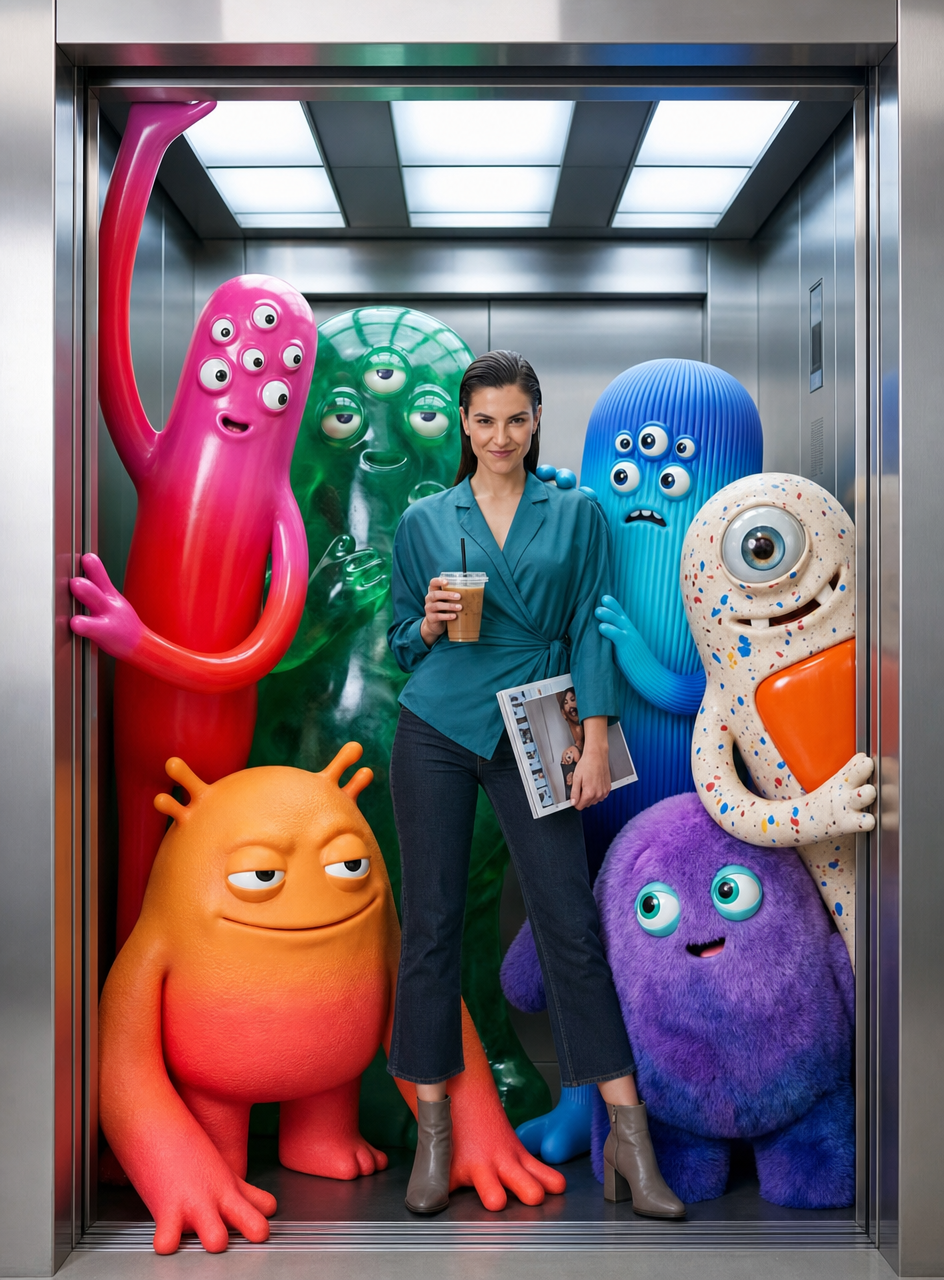
Teal fashion editorial in monster-filled lift
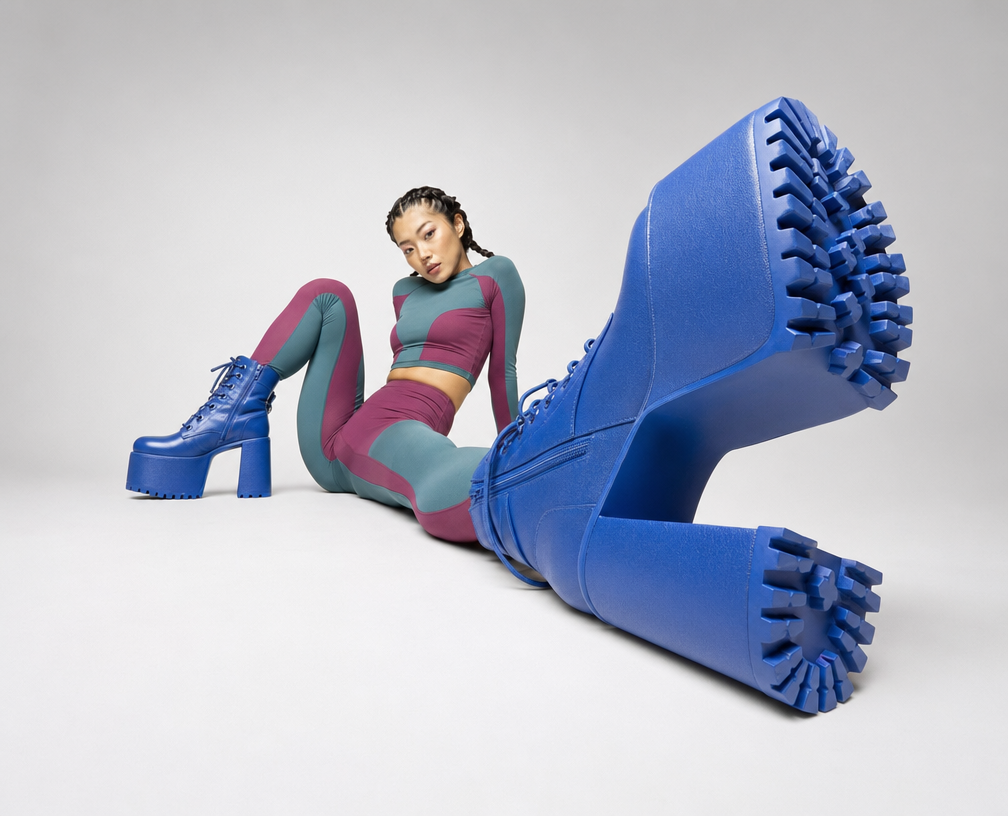
Cobalt Boots in Sleek Studio Edit
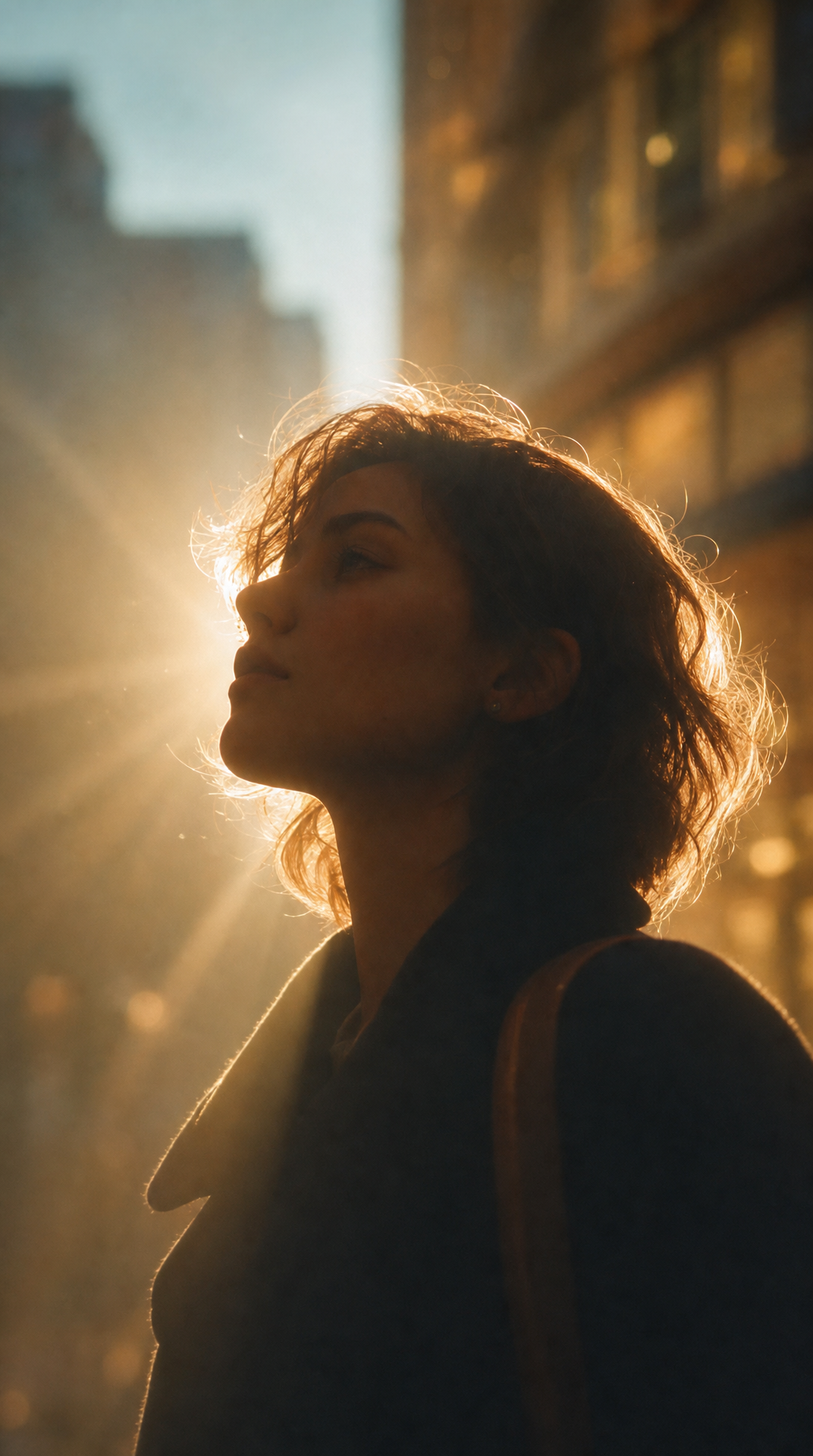
Silhouette Influencer by Sunlit Window
Sunlit editorial on striped beach towel