Why this works
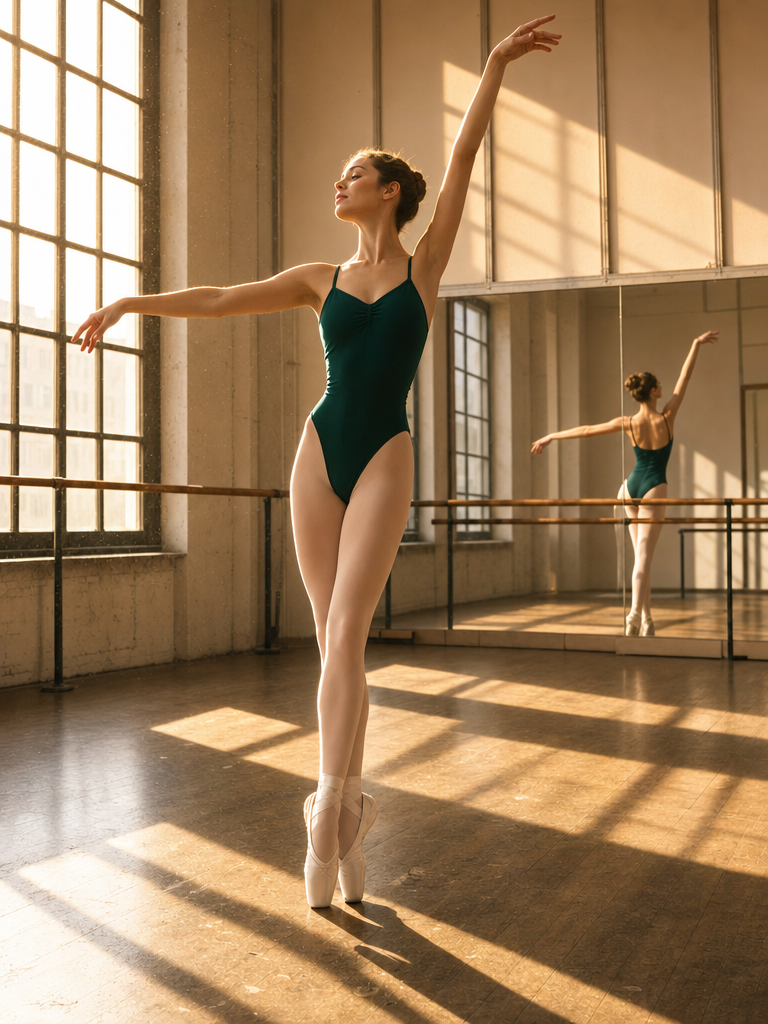
The phrase “full-body vertical composition” keeps the dancer’s en pointe line and two-arm gesture readable from head to shoes, while “mirrored wall that reflects her full figure” adds depth and a deliberate visual echo. “Warm late-afternoon light” and “soft golden rim glow” explain the dominant gold and brown tones, while “deep emerald leotard” supplies the concentrated green accent against the wooden floor. The serene editorial mood comes from the specific combination of “elegant, airy, photorealistic editorial photography” and the controlled pose, not from the color palette alone; “long geometric shadows” adds structure to an otherwise soft scene.
FAQ
→How do I change this prompt to make the dancer’s movement feel more powerful and dynamic?
Replace “standing en pointe with one arm raised above her head and the other extended outward” with “captured mid-leap, legs split in a grand jeté, both arms sweeping forward.” Change “elegant, serene, graceful mood” to “dramatic, energetic, fiercely expressive mood,” and replace “soft golden rim glow” with “high-contrast directional sunlight and crisp motion-stopping shadows.”
→How do I make the dancer more prominent and reduce the visual competition from the studio?
Replace “full-body vertical composition” with “full-body vertical composition, dancer occupying most of the frame,” and change “tall industrial windows and a mirrored wall that reflects her full figure” to “minimal pale studio wall with a softly blurred mirror reflection.” Keep “deep emerald leotard” but add “sharpest focus on the dancer, subdued background detail” after “realistic skin and fabric detail.”
→How do I turn this into a coordinated series of ballet images?
Keep the fixed phrases “deep emerald leotard,” “white satin pointe shoes,” “photorealistic editorial photography,” and “full-body vertical composition” in every prompt. For each variation, replace only the pose and light section, such as “standing en pointe...” with “seated stretch beside the barre” or “turning in arabesque,” and swap “warm late-afternoon light” for “cool blue morning light” or “overcast diffused daylight” while retaining the same studio and color anchor.
Learn the technique behind this
- Why can't AI spell, and how do I get readable text in an image? — Older diffusion models had no character-level representation of text, so they produced letterform-shaped texture instead of words.
- Which aspect ratio should I use, and how does it change the image? — Aspect ratio determines what the model composes, not how it's cropped afterwards.
- How should a prompt be structured, and does word order matter? — A prompt that behaves predictably names one subject first, then what it is doing, then where, then the light, then the lens or medium, then the style.
Related prompts
Teal fashion editorial in monster-filled lift
Cobalt Boots in Sleek Studio Edit
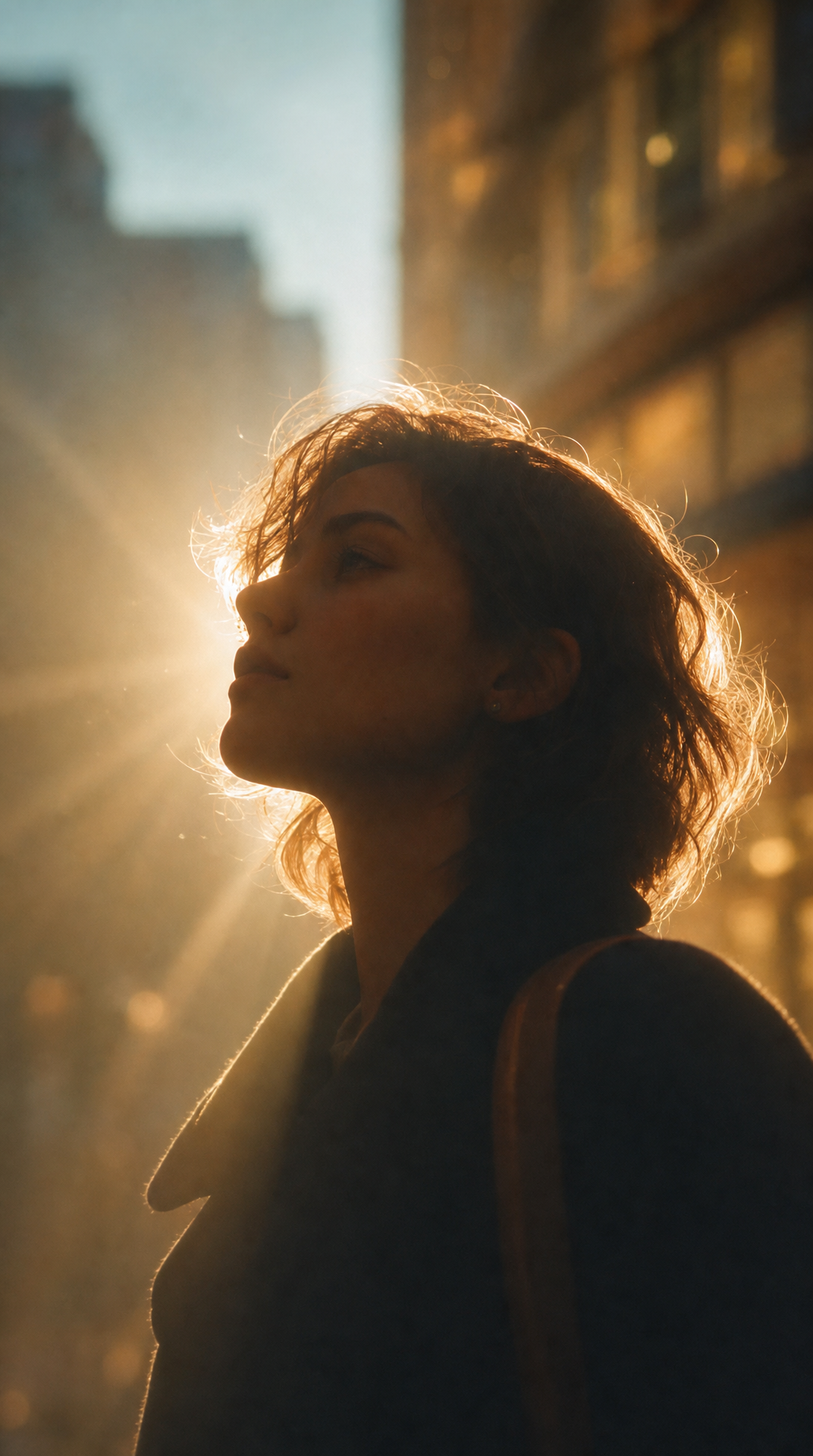
Silhouette Influencer by Sunlit Window
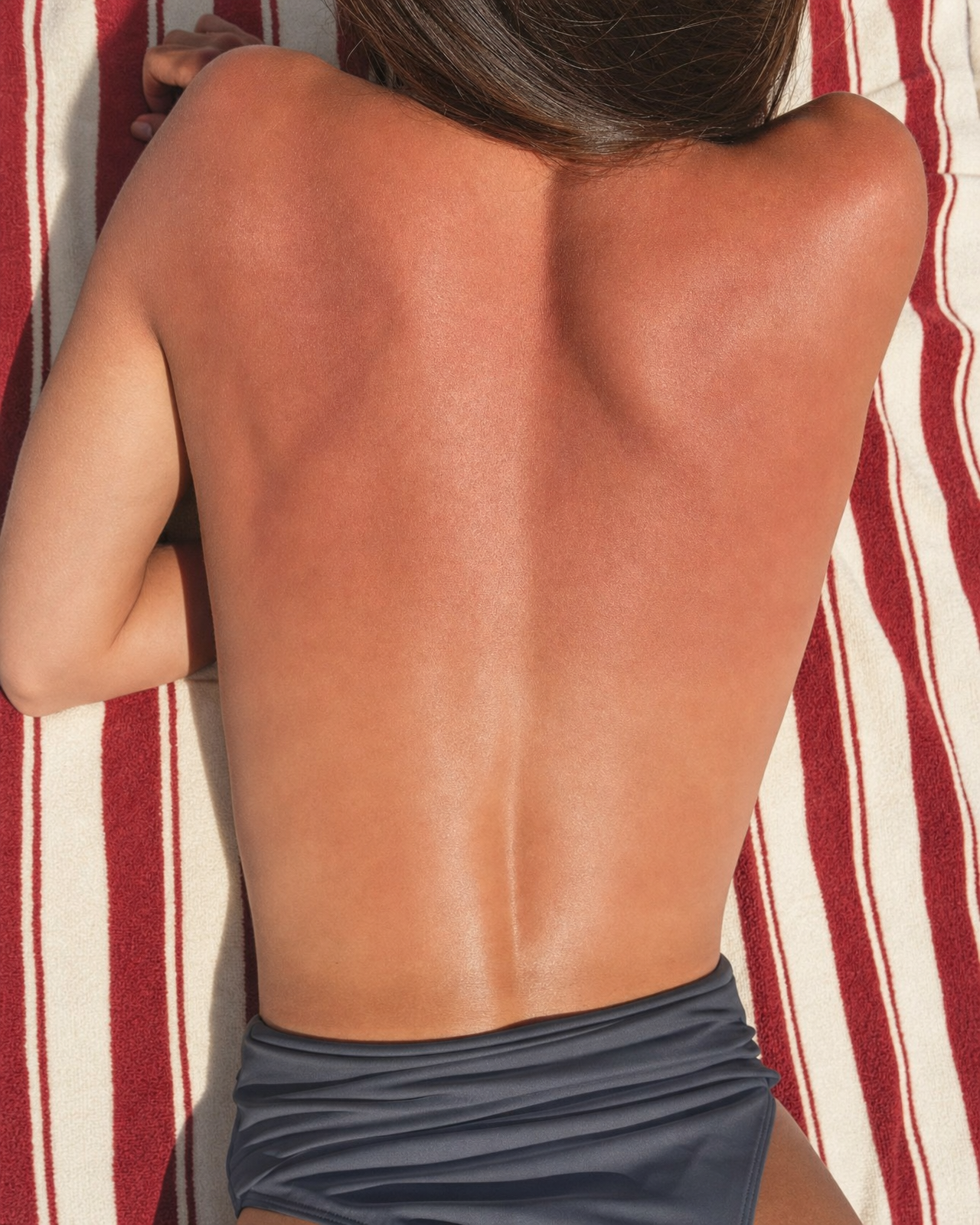
Sunlit editorial on striped beach towel