Why this works
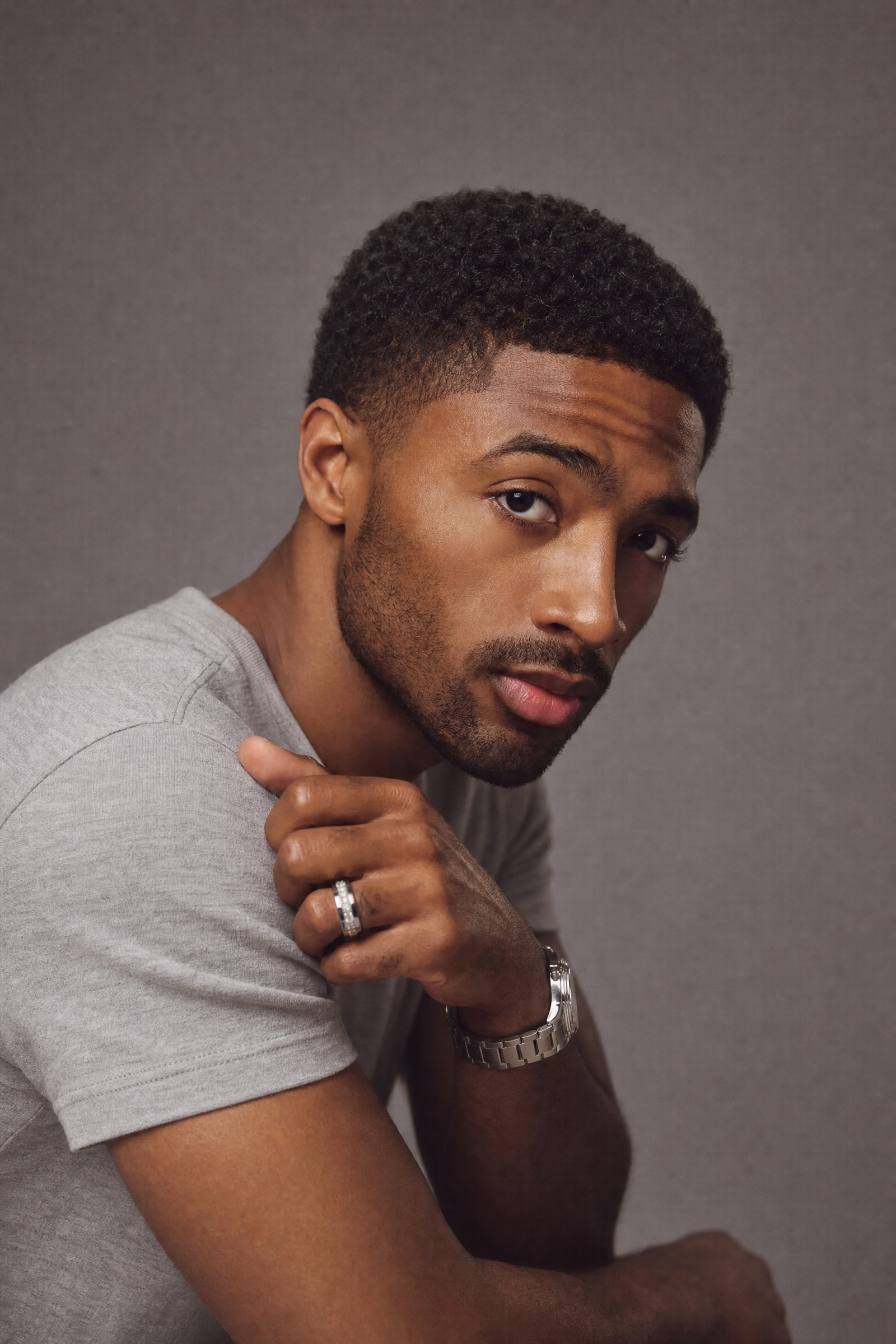
The tight “head-and-shoulders three-quarter view framing” makes the face, beard, and calm confident expression the visual anchor, while “plain neutral beige-gray studio background” keeps the portrait-closeup composition uncluttered. “Soft diffused studio lighting” and “shallow depth of field” produce an even, polished casting-photo mood, with “realistic skin texture” preserving facial detail instead of making the result look airbrushed. The light gray crew-neck t-shirt and beige-gray background create a restrained neutral palette, while the black hair and beard provide the strongest contrast around the subject’s face.
FAQ
→How do I change this prompt for a warmer, more approachable portrait?
Replace “calm confident expression” with “warm relaxed smile and approachable expression,” and change “soft diffused studio lighting” to “warm golden studio lighting with gentle cheek highlights.” Keep “plain neutral beige-gray background” or replace it with “soft warm taupe background” for a visibly warmer setting.
→How do I make the subject’s face and expression more prominent?
Replace “tight head-and-shoulders three-quarter view framing” with “tight close-up from the shoulders upward, face centered and filling most of the frame,” and change “shallow depth of field” to “very shallow depth of field with the eyes in crisp focus.” Add “direct eye contact with the camera” if you want the expression to read more forcefully.
→How do I build a matching series with different subjects or backgrounds?
Keep the fixed style phrases “photorealistic,” “realistic skin texture,” “soft diffused studio lighting,” and “professional casting headshot look,” then swap “young Black man” for a specific new subject such as “middle-aged South Asian woman” and replace “plain neutral beige-gray background” with options like “muted slate-blue studio background” or “clean warm ivory studio background.” Preserve “tight head-and-shoulders three-quarter view framing” so the images retain the same series composition.
Learn the technique behind this
- Why can't AI spell, and how do I get readable text in an image? — Older diffusion models had no character-level representation of text, so they produced letterform-shaped texture instead of words.
- How should a prompt be structured, and does word order matter? — A prompt that behaves predictably names one subject first, then what it is doing, then where, then the light, then the lens or medium, then the style.
- Which aspect ratio should I use, and how does it change the image? — Aspect ratio determines what the model composes, not how it's cropped afterwards.
Related prompts
Woman in Teal Light, Shadowed Fashion Portrait
Eerie Elegance Among Marble Busts
Charcoal turtleneck with red eye-beam
Dreamy Macro Portrait in Cool Water