Why this works
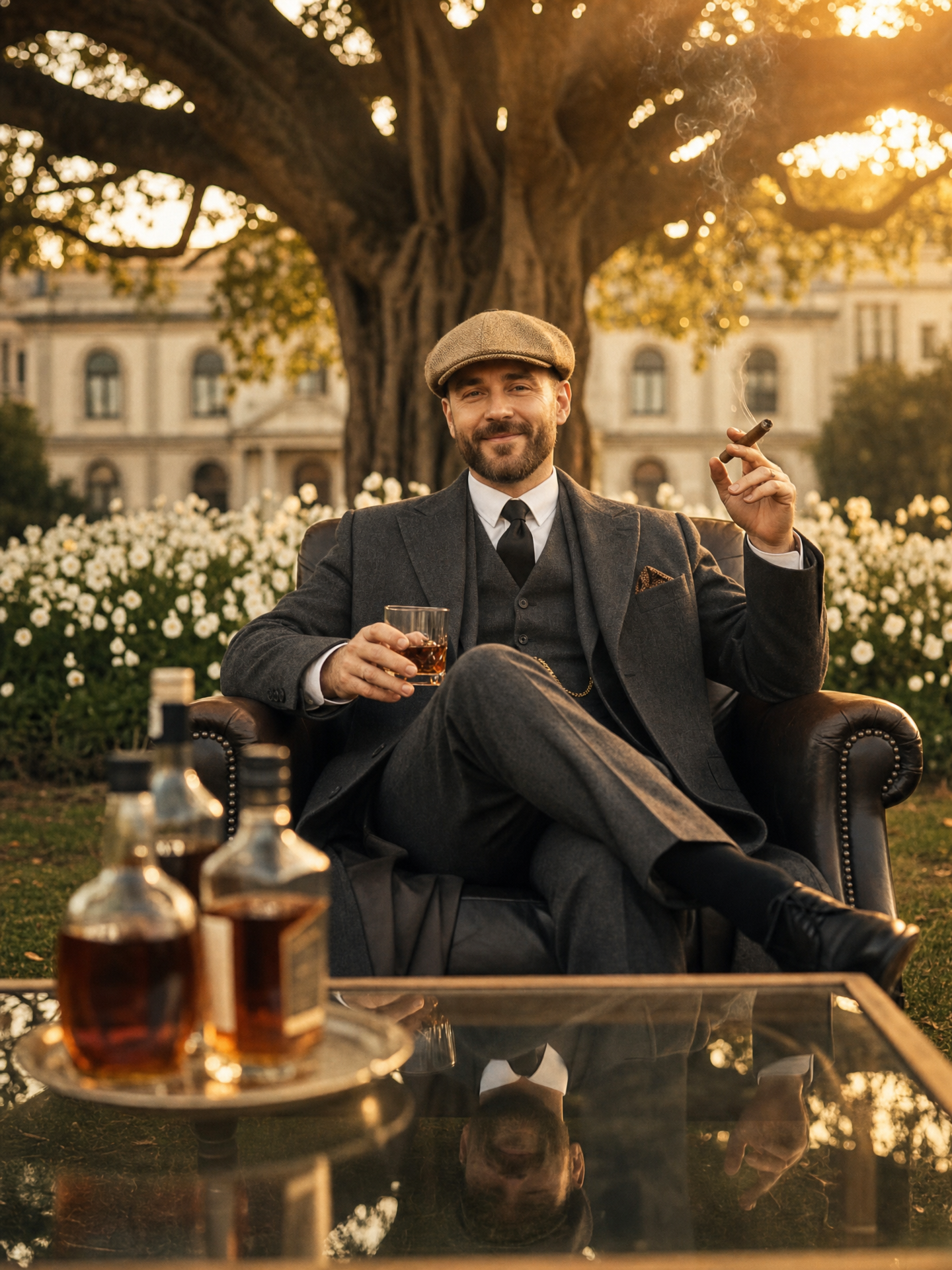
“Cinematic editorial portrait framing” and the “portrait-full-body” composition make the seated man the clear anchor while still preserving the leather armchair, formal garden, and manor as status cues. The phrase “shallow depth of field” pushes the liquor bottles and glass coffee table into soft foreground blur, separating the subject from the setting without removing the grand old tree and stately manor. “Warm late-afternoon golden hour sunlight with golden highlights” supplies the gold-and-green warmth, while the charcoal suit, tan flat cap, leather, and “luxurious vintage atmosphere” establish the gray, black, and nostalgic country-estate palette.
FAQ
→How do I make the portrait feel darker, moodier, and more dramatic?
Replace “Warm late-afternoon golden hour sunlight with golden highlights” with “low, moody sunset light with deep side shadows and restrained amber rim light,” and replace “luxurious vintage atmosphere” with “brooding film-noir country-estate atmosphere.” Keep the charcoal suit and black leather armchair so the darker lighting has strong materials to shape.
→How do I make the man and his whiskey more visually prominent?
Change “cinematic composition with shallow depth of field” to “medium full-body portrait with the man and whiskey glass occupying the central foreground,” and replace “softly blurred liquor bottles on a glass coffee table in the foreground” with “a small glass coffee table at the lower edge, whiskey glass sharply focused in his raised hand, liquor bottles barely visible.” This preserves the full-body pose while moving the key prop into the focal plane.
→How do I build a matching variation without losing the vintage editorial identity?
Keep “Photorealistic cinematic editorial portrait,” “charcoal two-piece suit with a waistcoat,” and “luxurious vintage atmosphere,” then swap “formal garden” and “stately manor” for a “weathered Mediterranean villa terrace with cypress trees and distant hills.” Replace “warm late-afternoon golden hour sunlight” with “soft hazy sunset light,” producing a related series image with a warmer, more travel-editorial setting.
Learn the technique behind this
- Why can't AI spell, and how do I get readable text in an image? — Older diffusion models had no character-level representation of text, so they produced letterform-shaped texture instead of words.
- How should a prompt be structured, and does word order matter? — A prompt that behaves predictably names one subject first, then what it is doing, then where, then the light, then the lens or medium, then the style.
- Why does the model ignore parts of my prompt? — Ignored instructions are almost always conflicts, counts, or spatial relationships — three things current models handle badly — rather than the model failing to read you.
Related prompts
Woman in Teal Light, Shadowed Fashion Portrait
Eerie Elegance Among Marble Busts
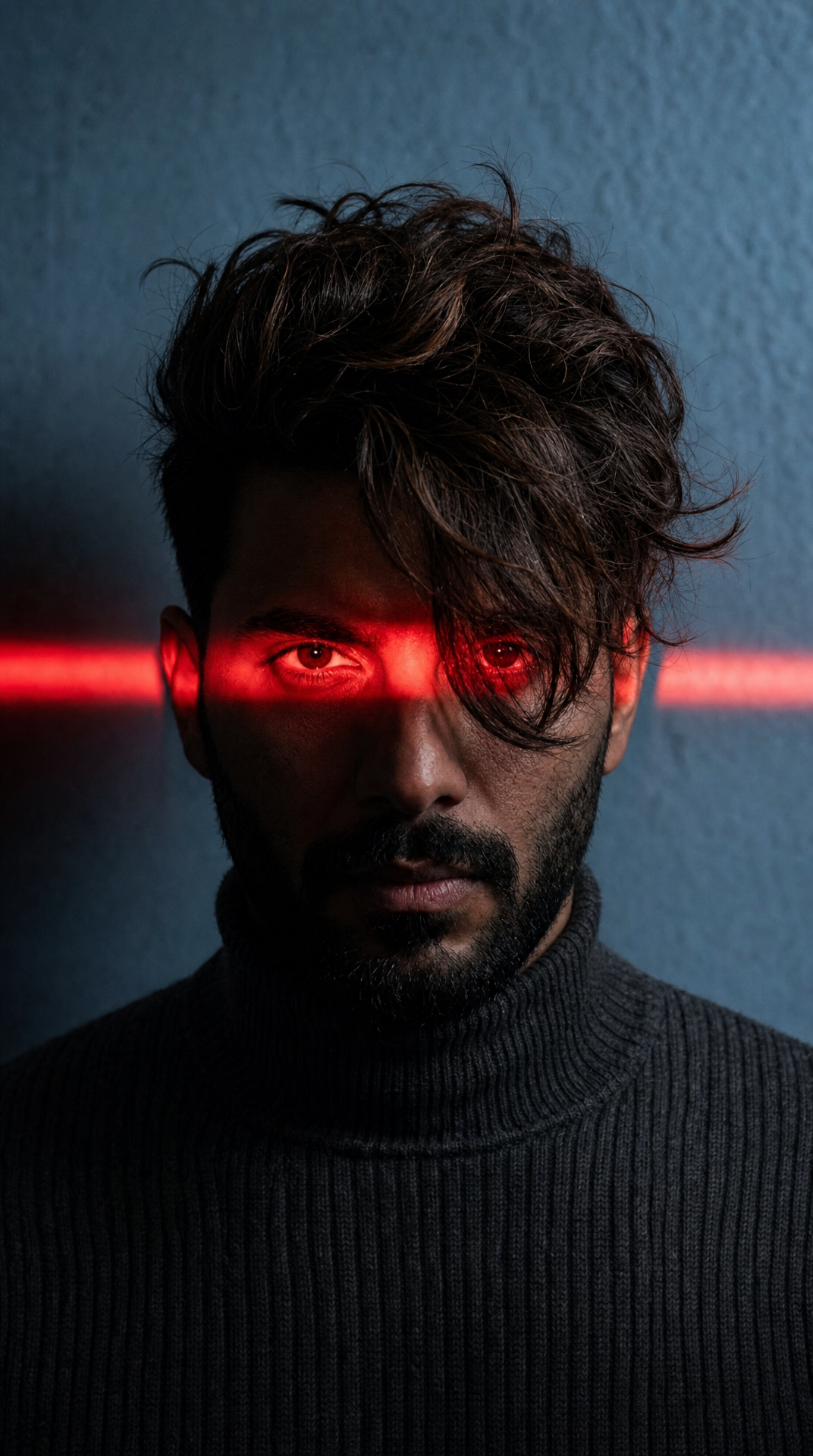
Charcoal turtleneck with red eye-beam
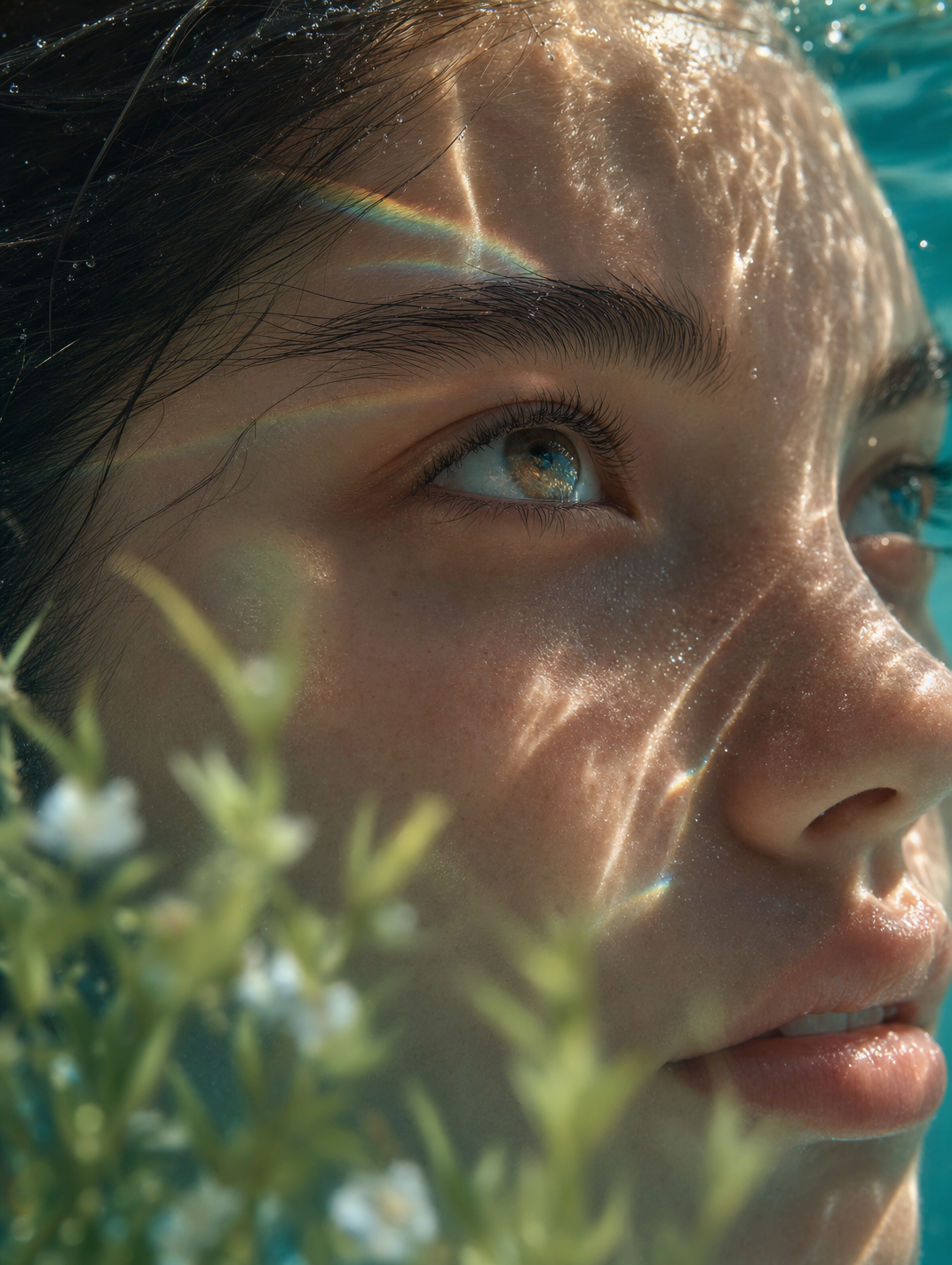
Dreamy Macro Portrait in Cool Water