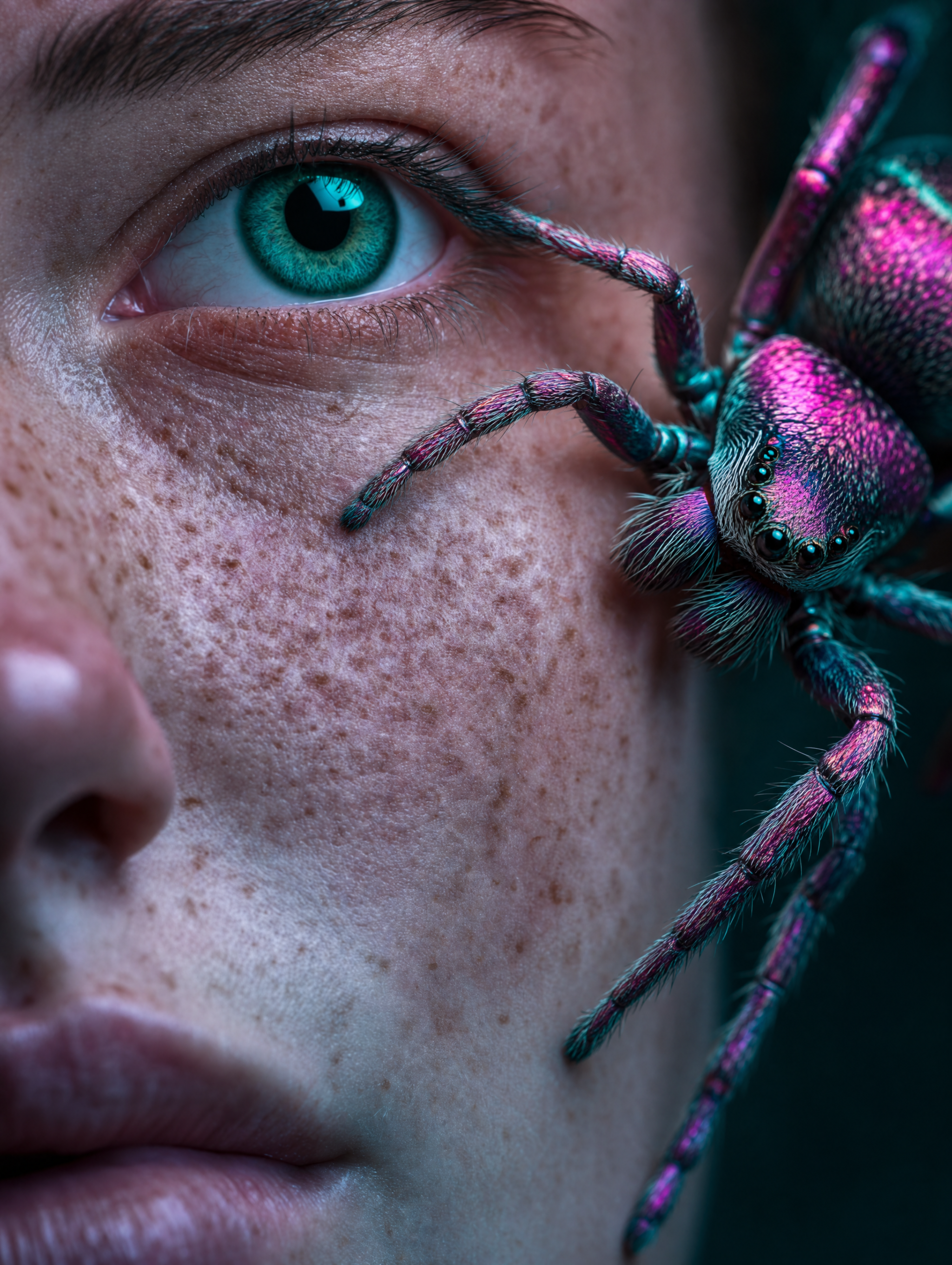
Why this works
The “extreme close-up” and “shallow depth of field” force an intimate portrait composition, while “sharp focus on skin texture and spider chitin” makes the cheek, hairs, and glossy shell carry the visual tension. “Dramatic cinematic side lighting,” “high contrast,” and the “deep dark blurred background” create the mysterious, suspenseful mood by isolating the face and spider from any readable setting. The “teal and magenta color palette” produces the image’s gray-teal-purple-pink harmony, with “giant iridescent spider” adding surreal scale against the photorealistic “freckled skin” and vivid emerald iris.
FAQ
→How do I make the spider more central and visually dominant?
Replace “a giant iridescent spider touching the side of her face near her cheekbone” with “a giant iridescent spider centered in the frame, occupying half the image, its face and front legs aligned with the woman’s eye.” Change “sharp focus on skin texture and spider chitin” to “sharp focus on the spider’s eyes, mandibles, and glossy chitin, with the woman’s face slightly softer.”
→How do I make the image feel less threatening and more elegant?
Replace “dramatic cinematic side lighting” and “high contrast” with “soft diffused beauty lighting with gentle rim light and low contrast.” Change “deep dark blurred background” to “muted lavender studio background with subtle luminous bokeh,” and replace “tense, mysterious” in the mood direction with “calm, ethereal, dreamlike.”
→How do I create a series with different subjects while keeping this visual identity?
Keep “hyperrealistic macro photograph,” “extreme close-up,” “shallow depth of field,” “dramatic cinematic side lighting,” “teal and magenta color palette,” and “surreal but realistic composition” unchanged. Swap “a young woman’s face” and “a giant iridescent spider” for matched pairs such as “an elderly man’s weathered eye with a jeweled moth,” “a child’s freckled cheek with a translucent beetle,” or “a dancer’s lips with a tiny metallic hummingbird,” while preserving the instruction for “sharp focus on skin texture and glossy chitin.”
Learn the technique behind this
- Why can't AI spell, and how do I get readable text in an image? — Older diffusion models had no character-level representation of text, so they produced letterform-shaped texture instead of words.
- How should a prompt be structured, and does word order matter? — A prompt that behaves predictably names one subject first, then what it is doing, then where, then the light, then the lens or medium, then the style.
- Why does AI get hands and faces wrong, and how do I fix it? — Hands fail because they're small in frame, extremely variable in pose, and self-occluding — the model has less usable signal per pixel than for any other body part.
Related prompts

Violet Holographic Hands Almost Touching
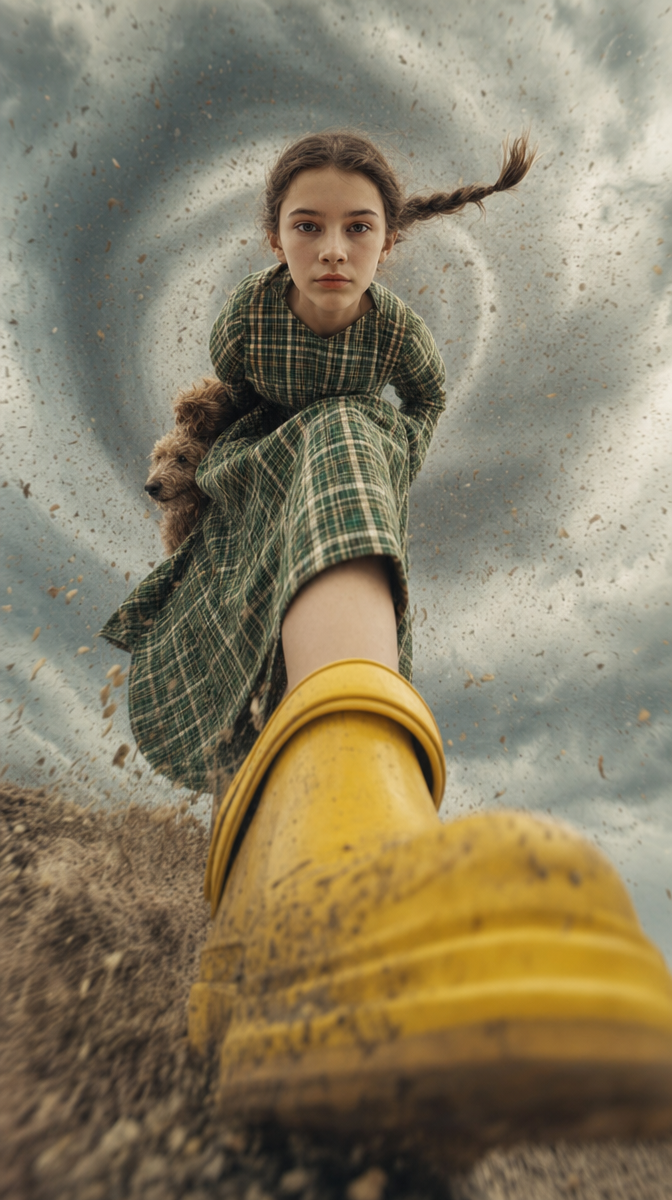
Young girl with dog in tornado
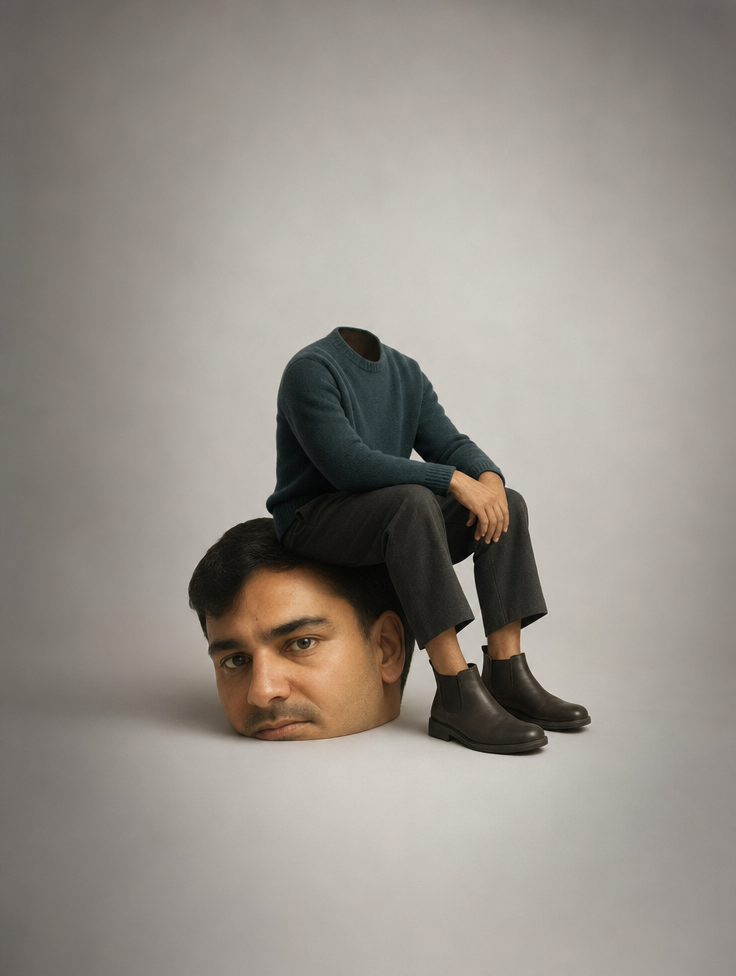
Headless sitter atop a giant head
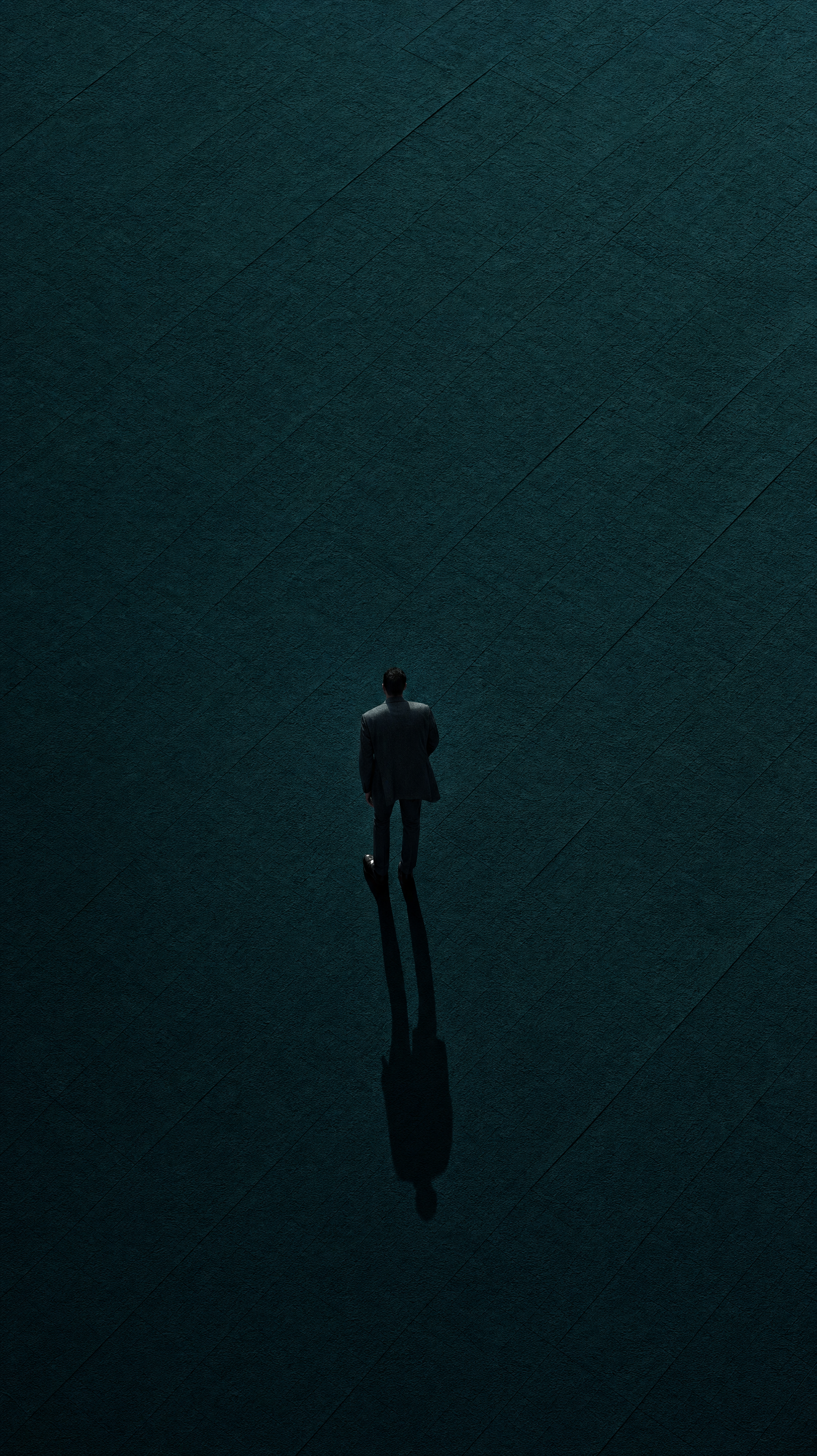
Charcoal-suited man on teal plane