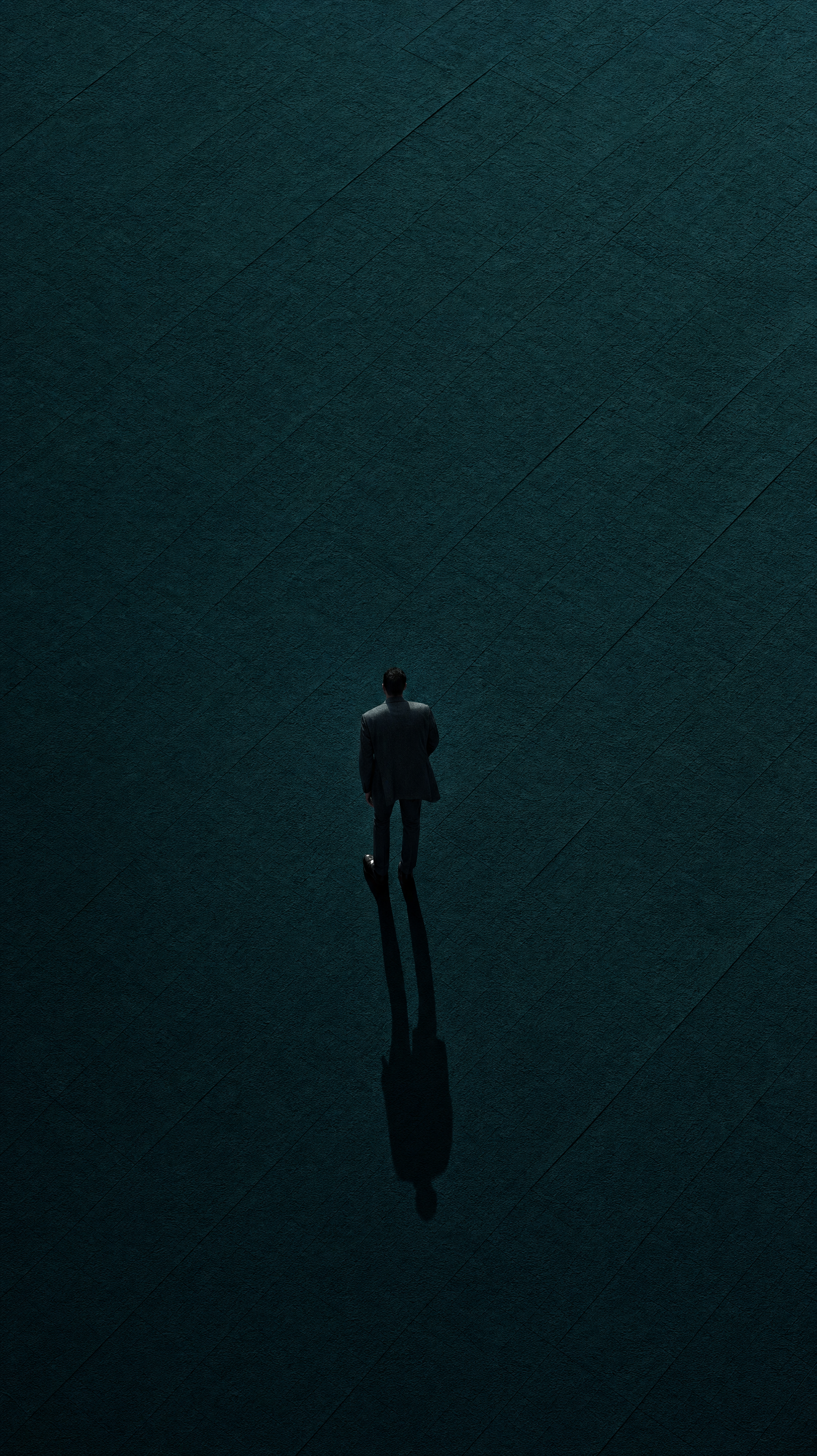
Why this works
The emotional conflict is pinned to the contrast between “a man in a charcoal suit forcefully steps on a glowing glass heart” and “a kneeling woman in an ivory, flowing dress gently cradles the shattered heart fragments,” giving the candid-action composition both impact and vulnerability. “Dramatic side lighting with high contrast” isolates the glow and makes “subtle reflections in the shards” legible against the cold dark stone floor, while “shallow depth of field” keeps the foreground woman and fragments dominant and lets the surrounding gray-black setting recede. “Cinematic photorealism,” “ultra-detailed textures,” and “moody surreal atmosphere” combine tactile glass and fabric with an intentionally unreal suspended-shard effect.
FAQ
→How do I change this prompt to make the woman and the surviving fragments more central?
Replace “In the foreground, a kneeling woman in an ivory, flowing dress gently cradles the shattered heart fragments in her hands” with “Close-up portrait of the kneeling woman as the central subject, her hands and the largest glowing heart fragment filling the frame.” Also change “shallow depth of field” to “sharp focus on her face, hands, and glass fragments” so the emotional reaction is not softened by blur.
→How do I change this prompt to create a colder, less romantic mood?
Replace “glowing glass heart” with “frosted, cracked glass heart emitting a faint blue-white light,” and replace “ivory, flowing dress” with “structured pale-gray dress with damp, rigid folds.” Change “gently cradles” to “carefully gathers” and add “desaturated blue-gray palette, stark clinical side lighting” after “high-contrast side lighting” to reduce warmth and tenderness.
→How do I build a series of variations without losing the core visual identity?
Keep “cinematic photorealistic scene,” “dark, moody surreal atmosphere,” “dramatic side lighting with high contrast,” and “shallow depth of field” unchanged. For each variation, swap only the action and setting, such as “a woman releases a glowing glass heart into a rain-filled alley” or “a child discovers the intact heart in an abandoned marble hall,” while retaining “floating glass shards,” “ultra-detailed textures,” and a two-color palette such as “gray and white.”
Learn the technique behind this
- Why can't AI spell, and how do I get readable text in an image? — Older diffusion models had no character-level representation of text, so they produced letterform-shaped texture instead of words.
- Why does AI get hands and faces wrong, and how do I fix it? — Hands fail because they're small in frame, extremely variable in pose, and self-occluding — the model has less usable signal per pixel than for any other body part.
- How should a prompt be structured, and does word order matter? — A prompt that behaves predictably names one subject first, then what it is doing, then where, then the light, then the lens or medium, then the style.
Related prompts

Young girl with dog in tornado

Headless sitter atop a giant head
Crimson-Cloaked Specter in Candlelit Ballroom

Violet Holographic Hands Almost Touching