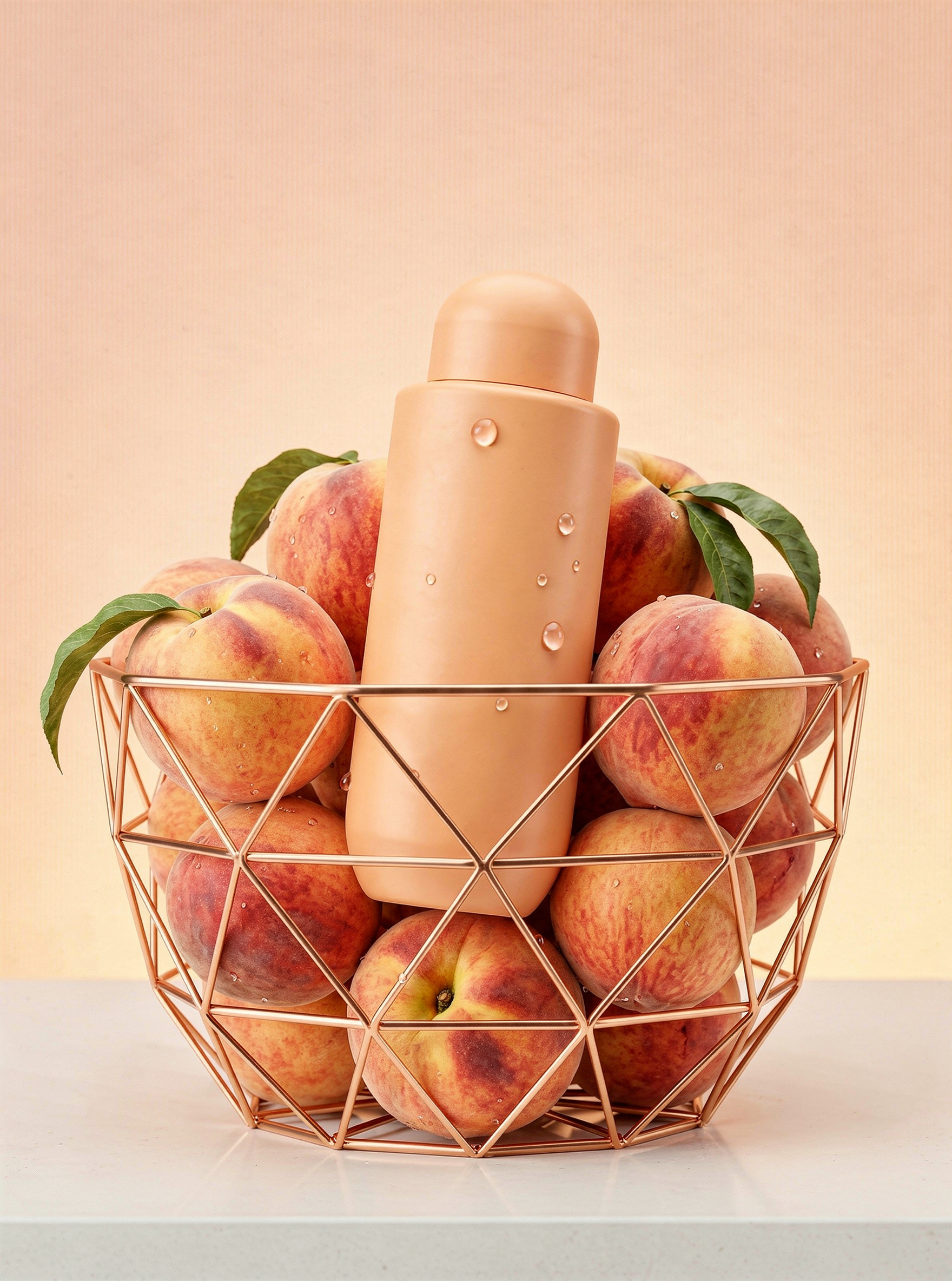
Why this works
“Dramatic photorealistic macro still life” and “ultra-high detail” make the orchid petals, slender vanilla pods, and glossy caramel drip the visual anchors, while “shallow depth of field” keeps the frame tightly focused on their surface detail. “Warm studio lighting with richer highlights” turns the white flower and amber syrup into a warm white-and-gold color harmony, and “deep umber background” supplies contrast that makes both subjects read clearly. “Luxurious minimalist composition,” “soft shadows,” and “refined sensual mood” control the restrained, elegant tone without competing background elements.
FAQ
→How do I make the caramel syrup drip more central and prominent?
Replace “with slender vanilla pods and a glossy amber caramel syrup drip” with “a white vanilla orchid framing a large central glossy amber caramel syrup cascade,” and change “shallow depth of field” to “shallow depth of field focused on the syrup’s reflective surface.” Keep “richer highlights” to preserve the wet, glassy texture.
→How do I make this prompt darker and more dramatic?
Replace “warm studio lighting with richer highlights and soft shadows” with “low-key side lighting, hard directional highlights, and deep cast shadows,” and change “deep umber background” to “near-black brown background.” Replace “refined sensual mood” with “moody, chiaroscuro luxury,” while retaining the white orchid so its petals remain the brightest focal point.
→How do I build a coordinated series from this image?
Keep the fixed phrases “photorealistic macro still life,” “luxurious minimalist composition,” “warm studio lighting,” and “deep umber background,” then swap only the subject phrase: use “white vanilla orchid with split vanilla pods and amber syrup threads,” “vanilla blossom beside a faceted amber glass vial,” or “vanilla pods arranged around a caramelized sugar shard.” Preserve “white” and “amber” in each variation to maintain the same color identity.
Learn the technique behind this
- Why can't AI spell, and how do I get readable text in an image? — Older diffusion models had no character-level representation of text, so they produced letterform-shaped texture instead of words.
- How should a prompt be structured, and does word order matter? — A prompt that behaves predictably names one subject first, then what it is doing, then where, then the light, then the lens or medium, then the style.
- Do negative prompts work, and what should go in one? — Negative prompts work on models that support a separate negative conditioning channel — mainly Stable Diffusion and FLUX-family models.
Related prompts
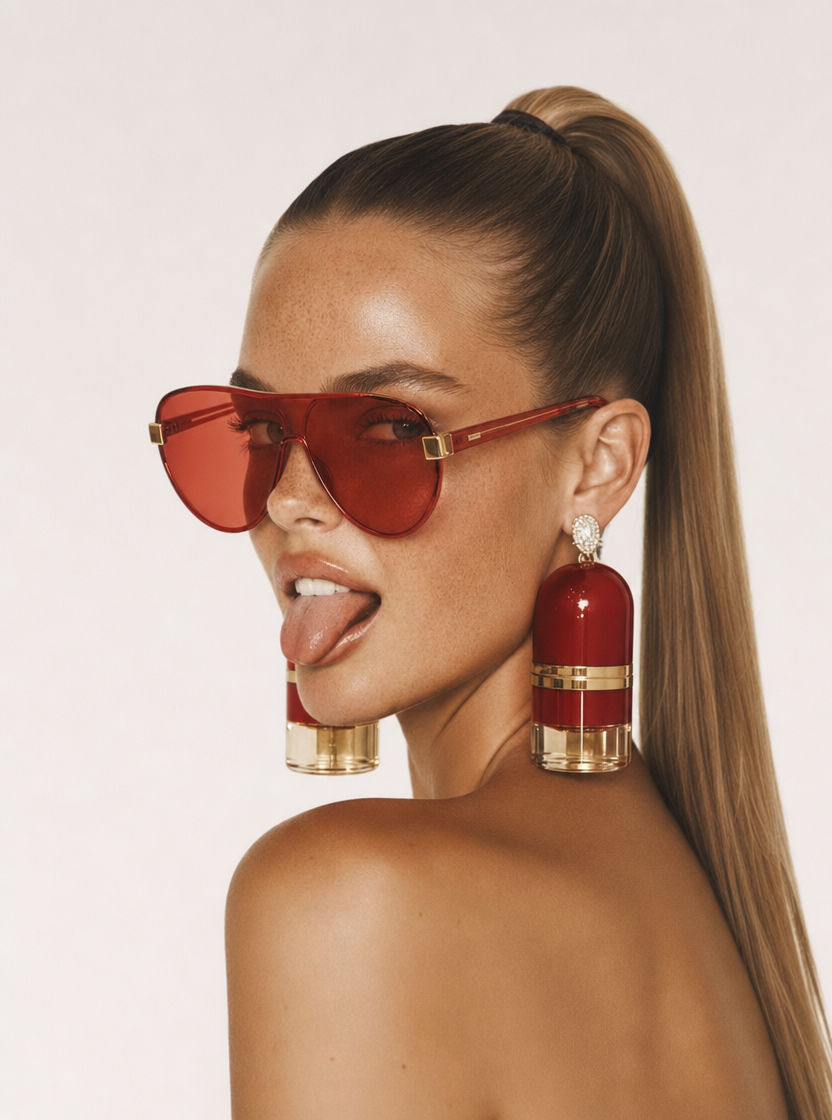
Playful brunette beauty ad portrait
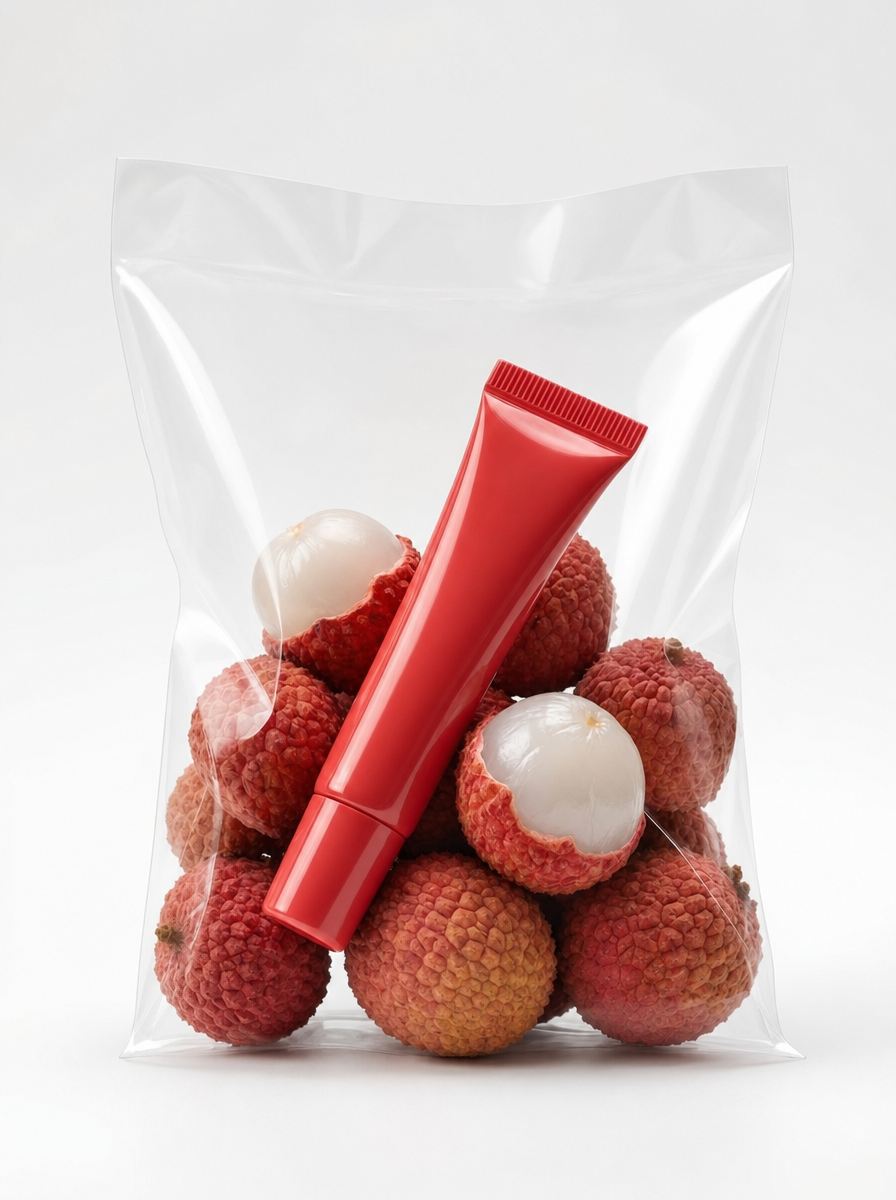
Red Lip Balm with Lychee Freshness
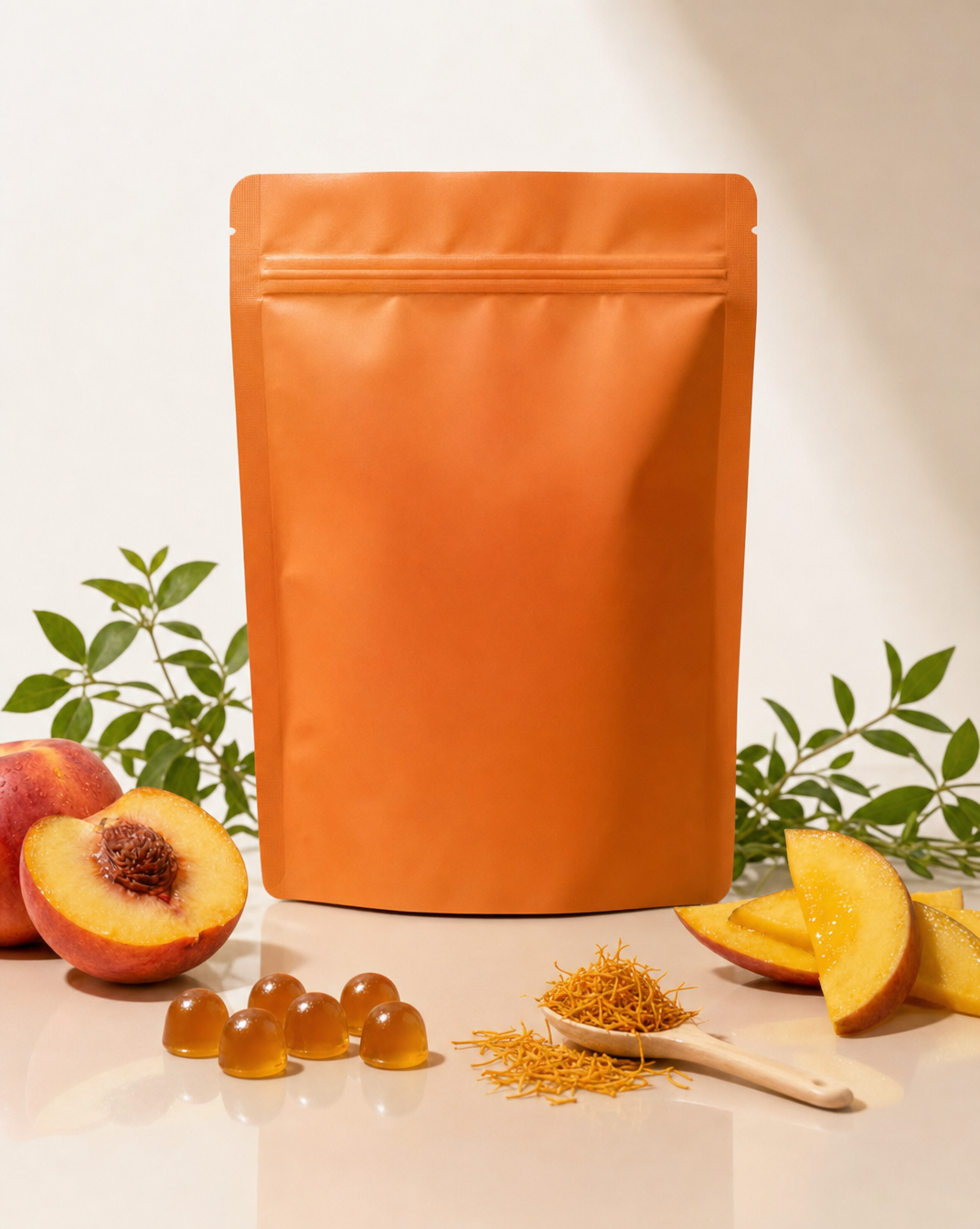
Premium wellness pouch with golden spices

Teal-Accented Bunny Toy Studio Portrait