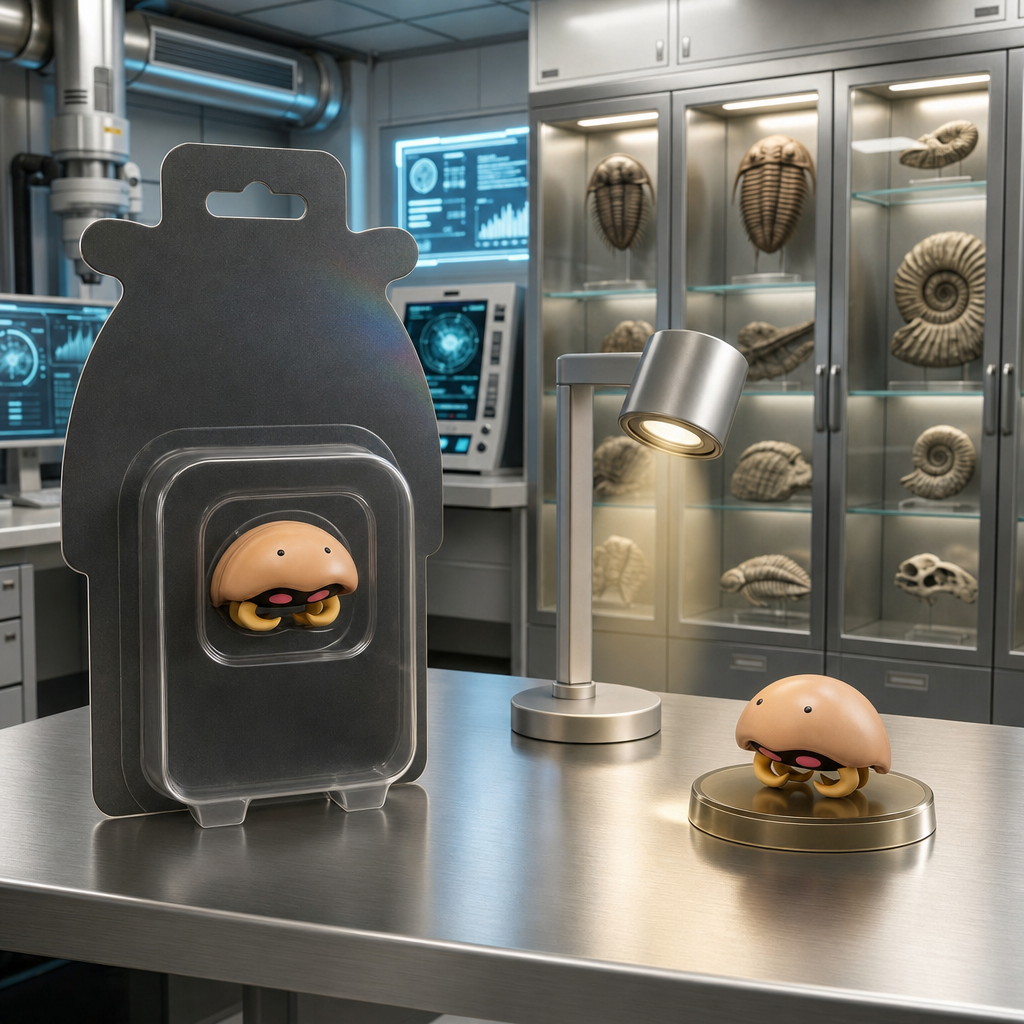
Same prompt, generated with each model separately — click one to see how it holds up.
Why this works
The centered premium product framing makes the blister-packaged deep-sea fossil creature the clear focal point, while “ultra-sharp focus on the blister edges and the creature’s fossil-textured sculpted details” directs attention to both packaging precision and surface detail. “Matte dark graphite backing card with a subtle iridescent sheen” supplies contrast and restrained color interest against the beige-dominant image, while “warmer cool-white and pale cyan lighting” gives the stainless steel, glass, and plastic a clean futuristic cast. The phrase “background softly blurred” preserves the research-lab context through indistinct fossil cabinets without competing with the figure.
FAQ
→How do I make the creature figure more central and visually dominant?
Replace “centered” and “premium showcase perspective” with “tight centered hero framing, figure occupying most of the image,” and change “background softly blurred” to “strongly defocused background with no recognizable cabinet details.” Add “the creature’s face and fossil-textured torso as the primary focal point” after the sharp-focus instruction.
→How do I make the image moodier and more dramatic while keeping the packaging realistic?
Replace “warmer cool-white and pale cyan lighting” with “low-key pale cyan rim light with a narrow warm spotlight on the blister,” and replace “crisp reflections” with “controlled high-contrast reflections and deep graphite shadows.” Keep “photorealistic commercial product photography” and “realistic materials” unchanged so the darker treatment does not become illustrative.
→How do I create a matching series with different fossil-inspired creatures?
Keep “premium retail packaging,” “clear blister,” “matte dark graphite backing card,” “centered,” and the same lighting and camera language fixed across every prompt. Replace “creature figure inspired by a deep-sea fossil” with variants such as “collectible ammonite creature figure,” “trilobite-inspired creature figure,” or “prehistoric eel creature figure,” then change “fossil-textured sculpted details” to the corresponding surface treatment, such as “ribbed spiral shell texture” or “segmented exoskeleton texture.”
Learn the technique behind this
- Why can't AI spell, and how do I get readable text in an image? — Older diffusion models had no character-level representation of text, so they produced letterform-shaped texture instead of words.
- Why does the model ignore parts of my prompt? — Ignored instructions are almost always conflicts, counts, or spatial relationships — three things current models handle badly — rather than the model failing to read you.
- Do negative prompts work, and what should go in one? — Negative prompts work on models that support a separate negative conditioning channel — mainly Stable Diffusion and FLUX-family models.
Related prompts
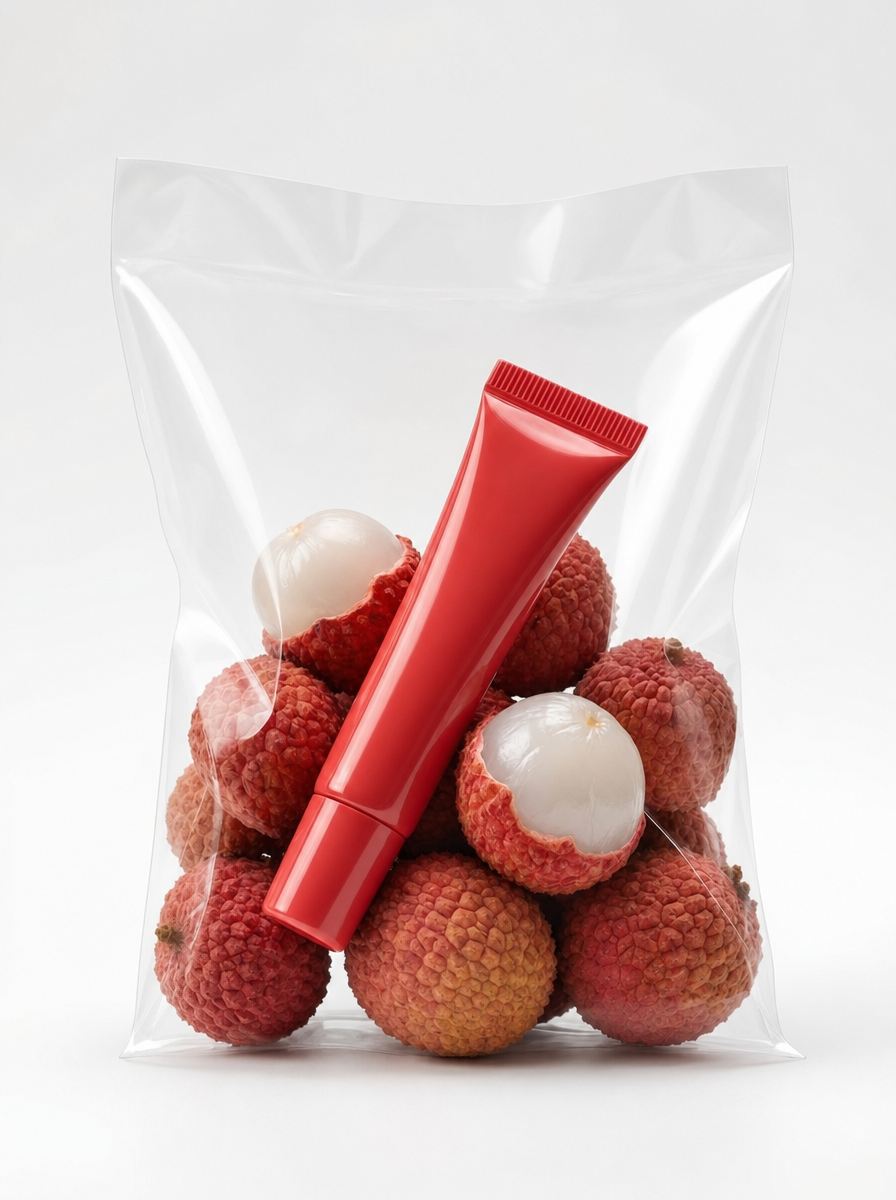
Red Lip Balm with Lychee Freshness
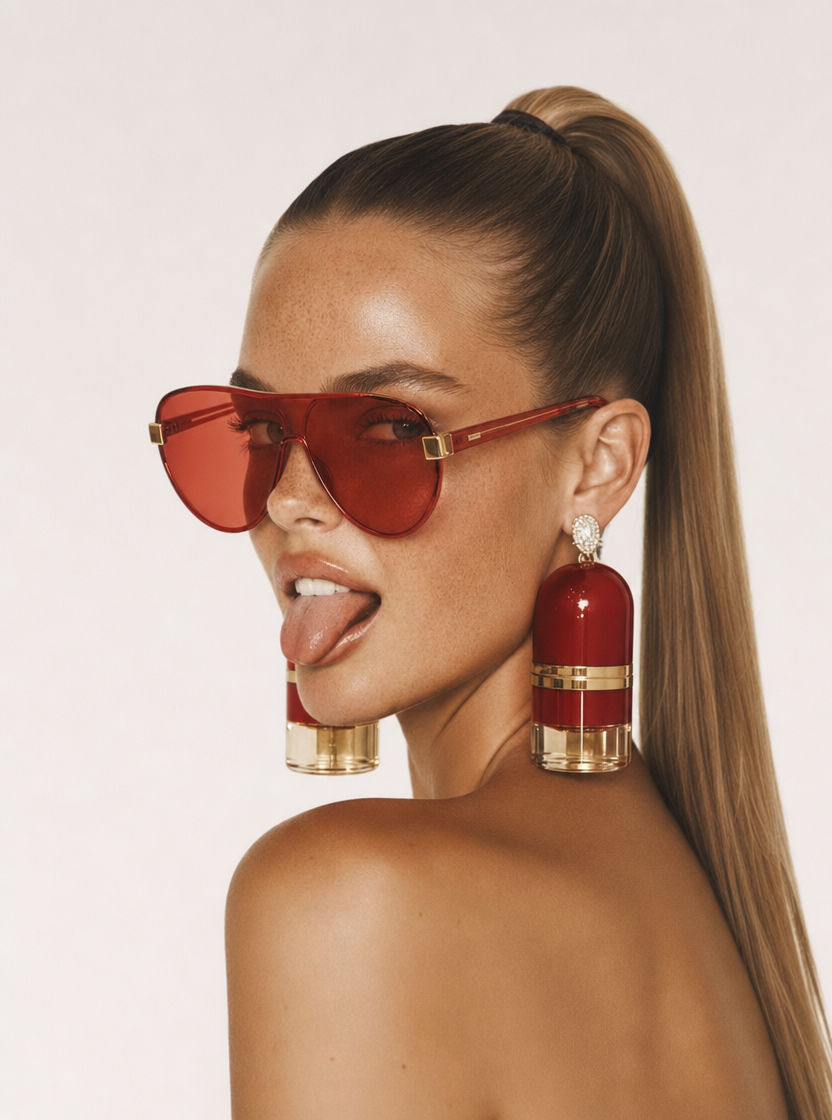
Playful brunette beauty ad portrait
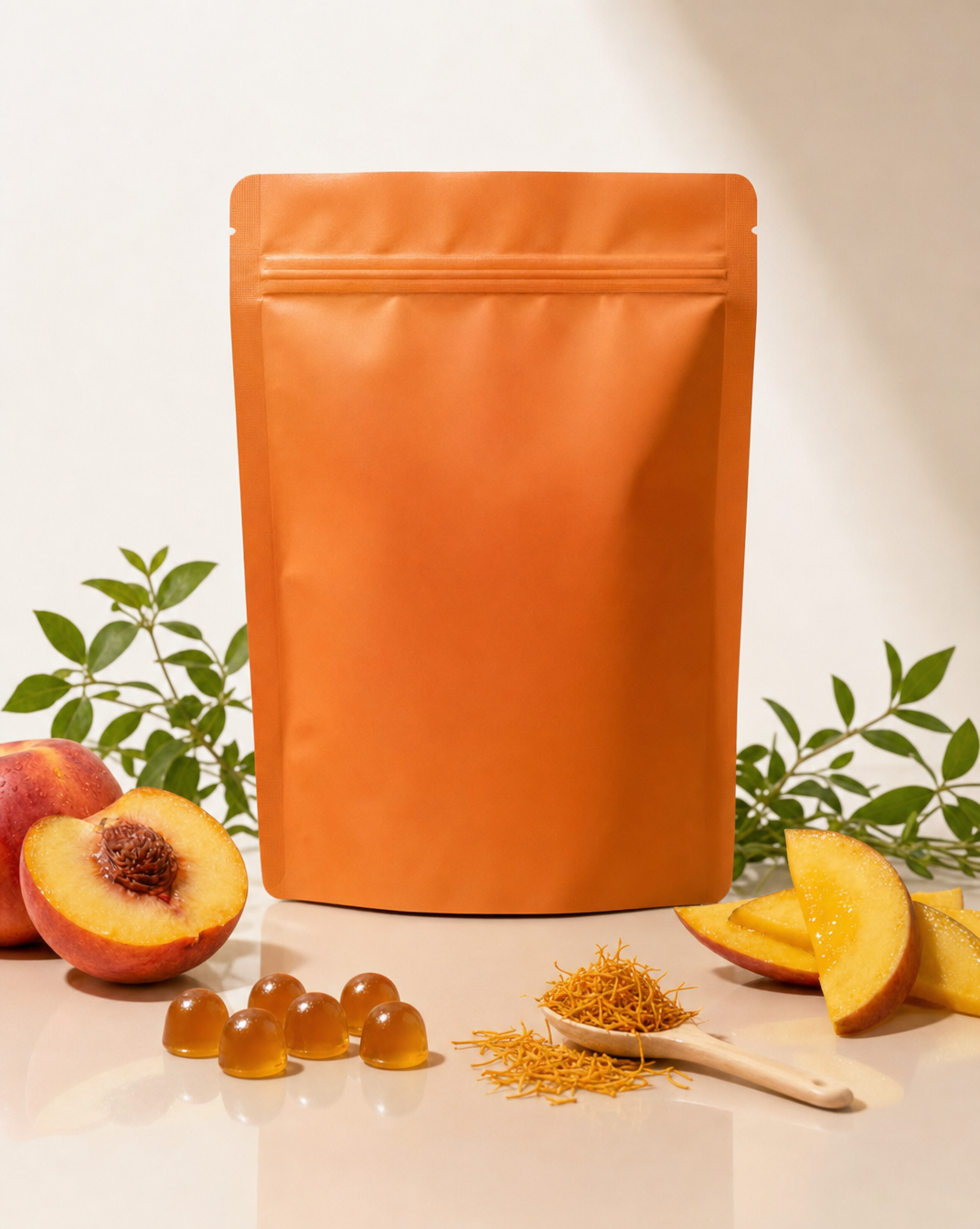
Premium wellness pouch with golden spices
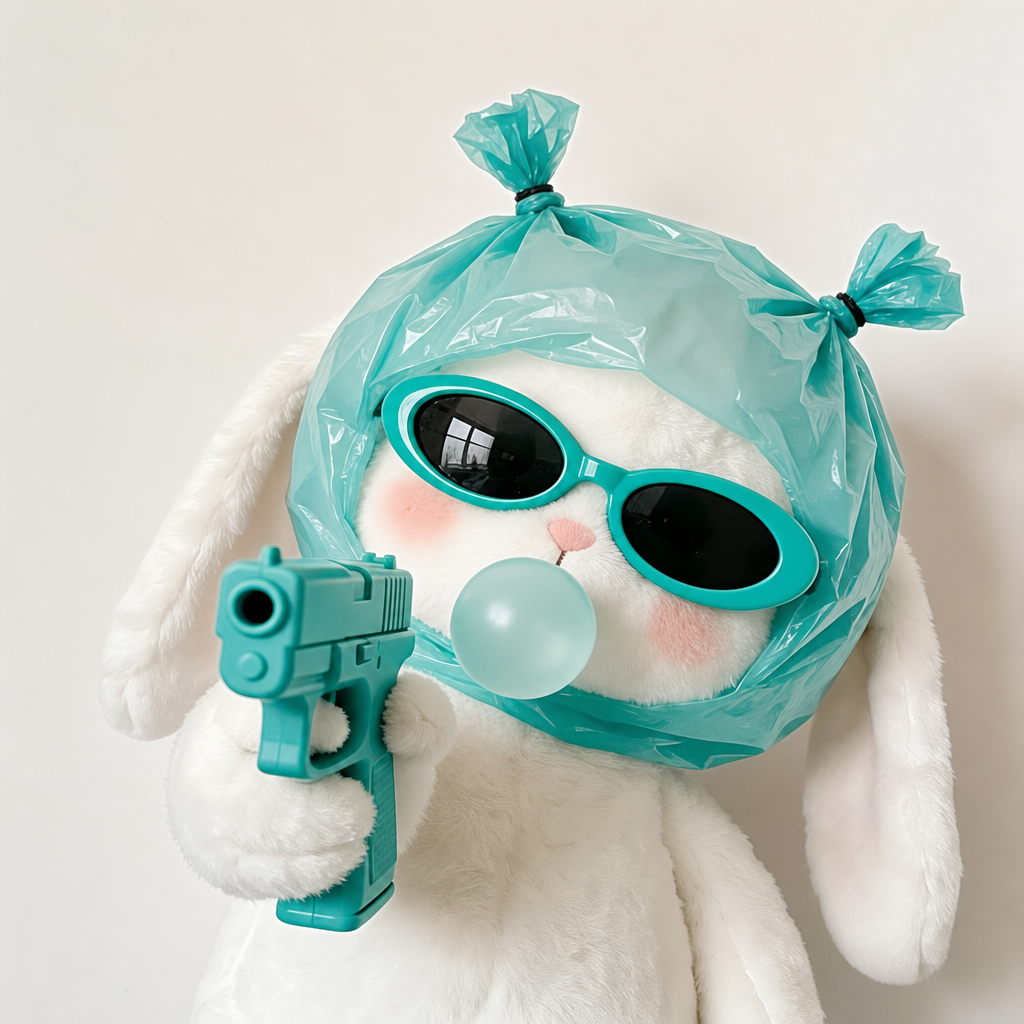
Teal-Accented Bunny Toy Studio Portrait