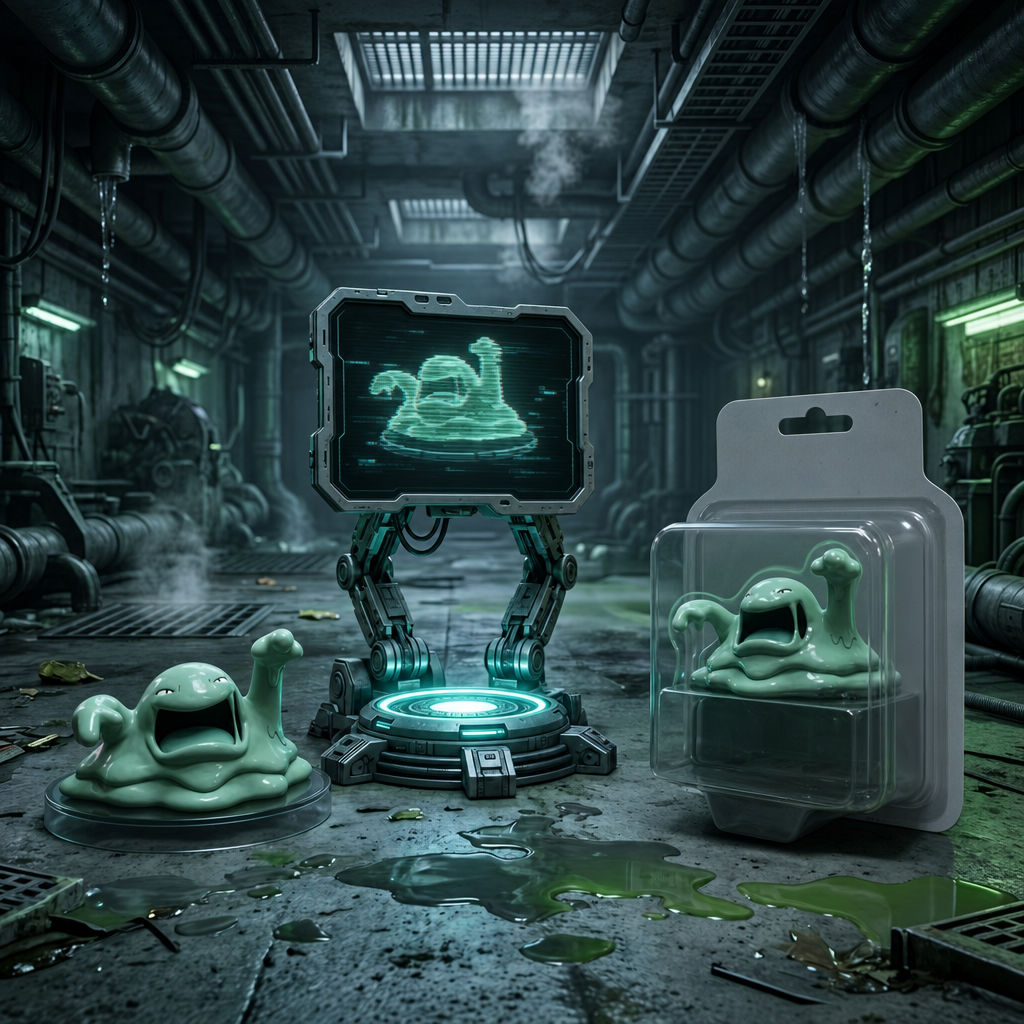
Why this works
The phrase “dramatic low-angle composition” gives the figure and package authority within the wide-shot corridor, while “focused sharply on the figure and packaging” keeps the product readable against the environment. “Cool teal and cyan neon lighting” paired with “mint-green with subtle bioluminescent highlights” creates a controlled teal-green harmony, and “dim diesel-and-steel,” “wet floor reflections,” and “light cinematic fog” supply the dark, eerie industrial mood. The premium realism comes from “photorealistic commercial product render,” “glossy retail packaging,” and “realistic materials and reflections,” while “small flickering status screen with scanlines” adds a specific retro-industrial detail without competing with the toy.
FAQ
→How do I make the Muk-inspired creature more prominent than the packaged toy?
Change “focused sharply on the figure and packaging” to “focused sharply on the slimy display creature, with the packaged toy slightly behind and softer in focus,” and replace “wide-shot” with “medium low-angle product shot.” Keep “dramatic low-angle composition” so the creature retains visual authority.
→How do I turn the dark eerie render into a brighter, friendlier collectible advertisement?
Replace “dim diesel-and-steel sci-fi maintenance corridor” with “bright, clean futuristic toy showroom,” and change “cool teal and cyan neon lighting” to “soft cyan and warm white studio lighting.” Reduce “light cinematic fog” to “minimal atmospheric haze,” while retaining “premium glossy retail packaging” and “realistic materials and reflections” for the commercial finish.
→How do I create a series of alternate color variants from this prompt?
Keep the subject, camera, and packaging phrases unchanged, then replace “cool teal and cyan light” and “mint-green with subtle bioluminescent highlights” with a fixed palette for each version, such as “violet and magenta rim light with lavender bioluminescent slime” or “amber and red industrial light with orange bioluminescent slime.” Also update the dominant background accents to match, while leaving “black” and the “wet floor reflections” consistent across the series.
Learn the technique behind this
- Why can't AI spell, and how do I get readable text in an image? — Older diffusion models had no character-level representation of text, so they produced letterform-shaped texture instead of words.
- How should a prompt be structured, and does word order matter? — A prompt that behaves predictably names one subject first, then what it is doing, then where, then the light, then the lens or medium, then the style.
- Do negative prompts work, and what should go in one? — Negative prompts work on models that support a separate negative conditioning channel — mainly Stable Diffusion and FLUX-family models.
Related prompts
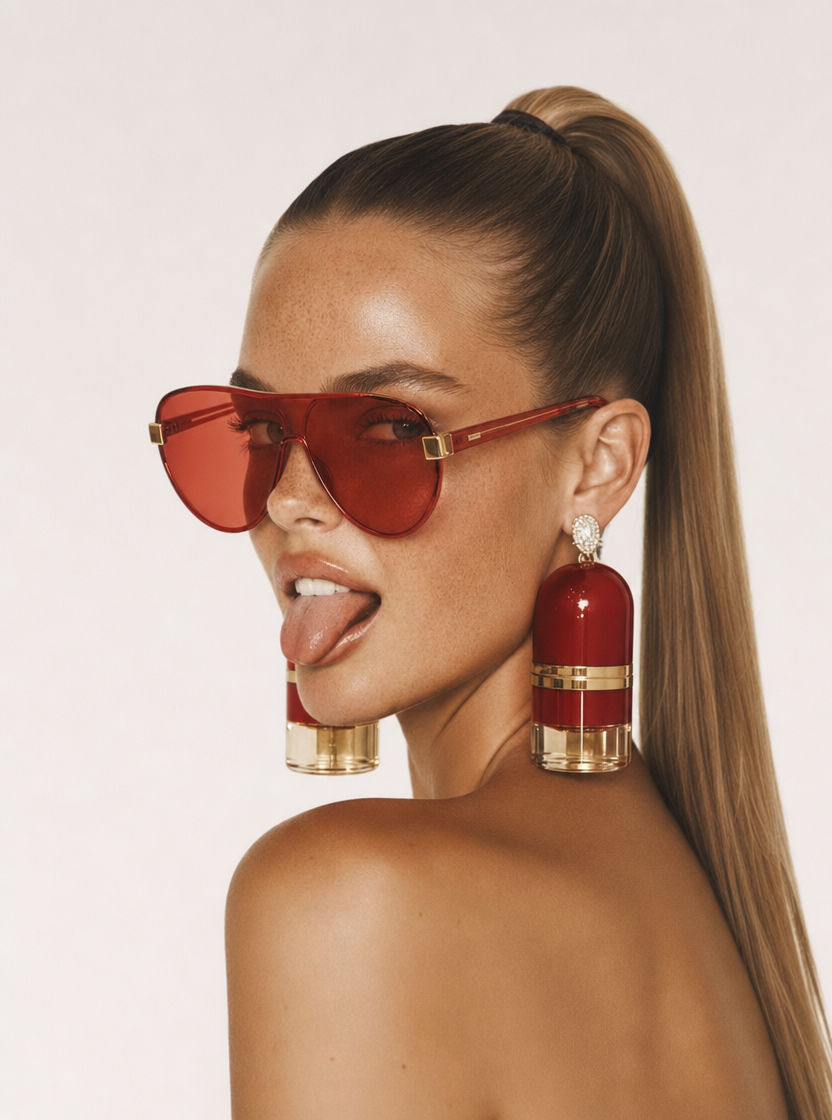
Playful brunette beauty ad portrait
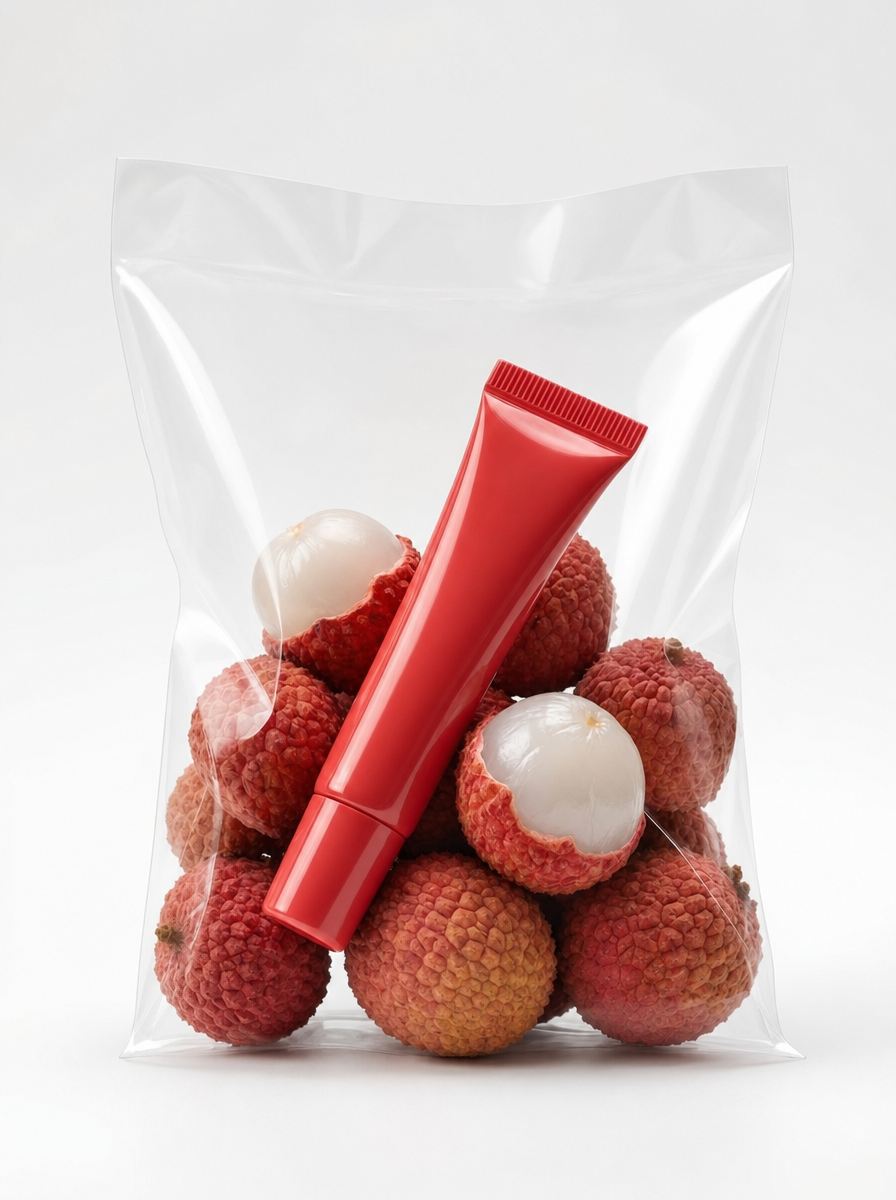
Red Lip Balm with Lychee Freshness
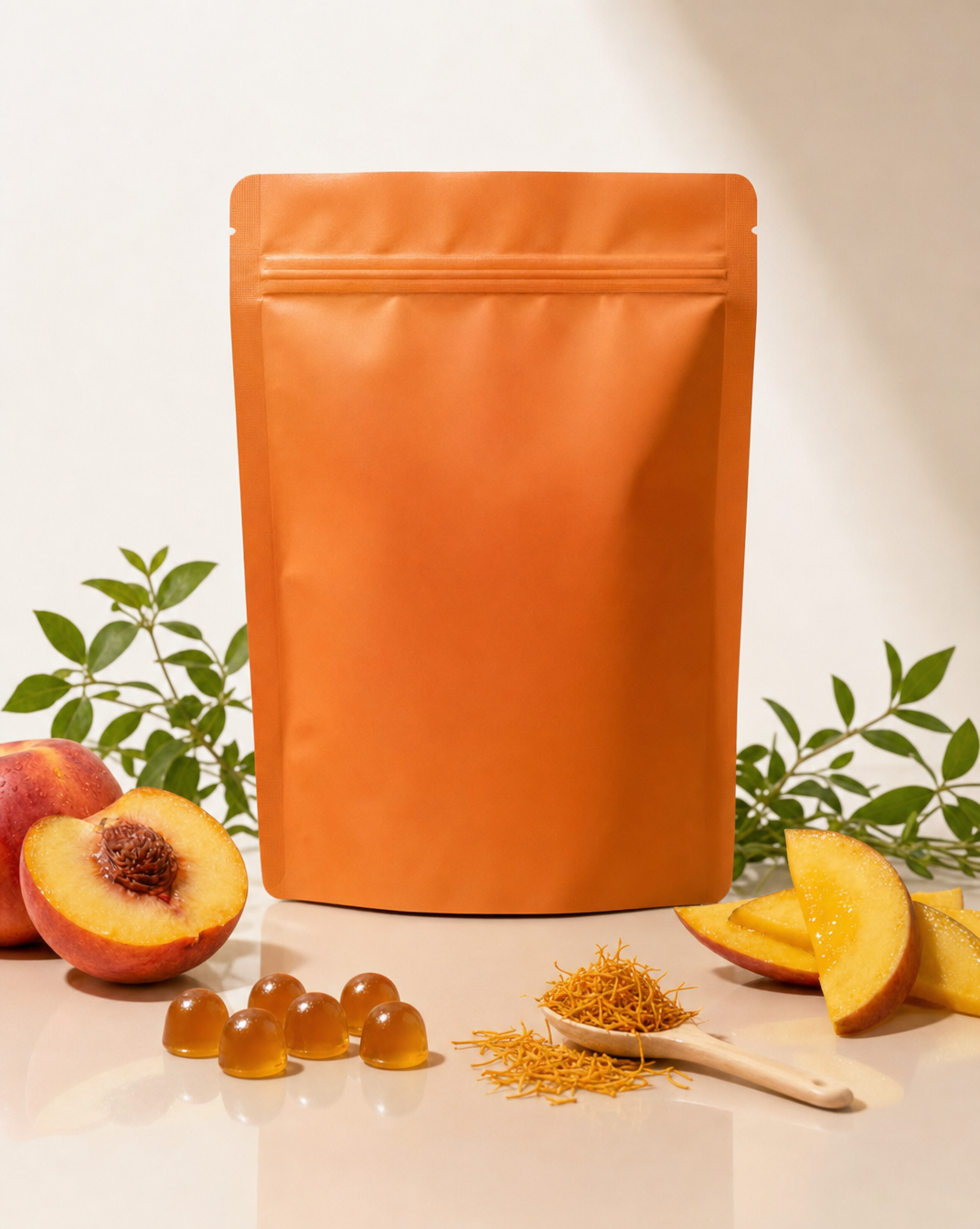
Premium wellness pouch with golden spices
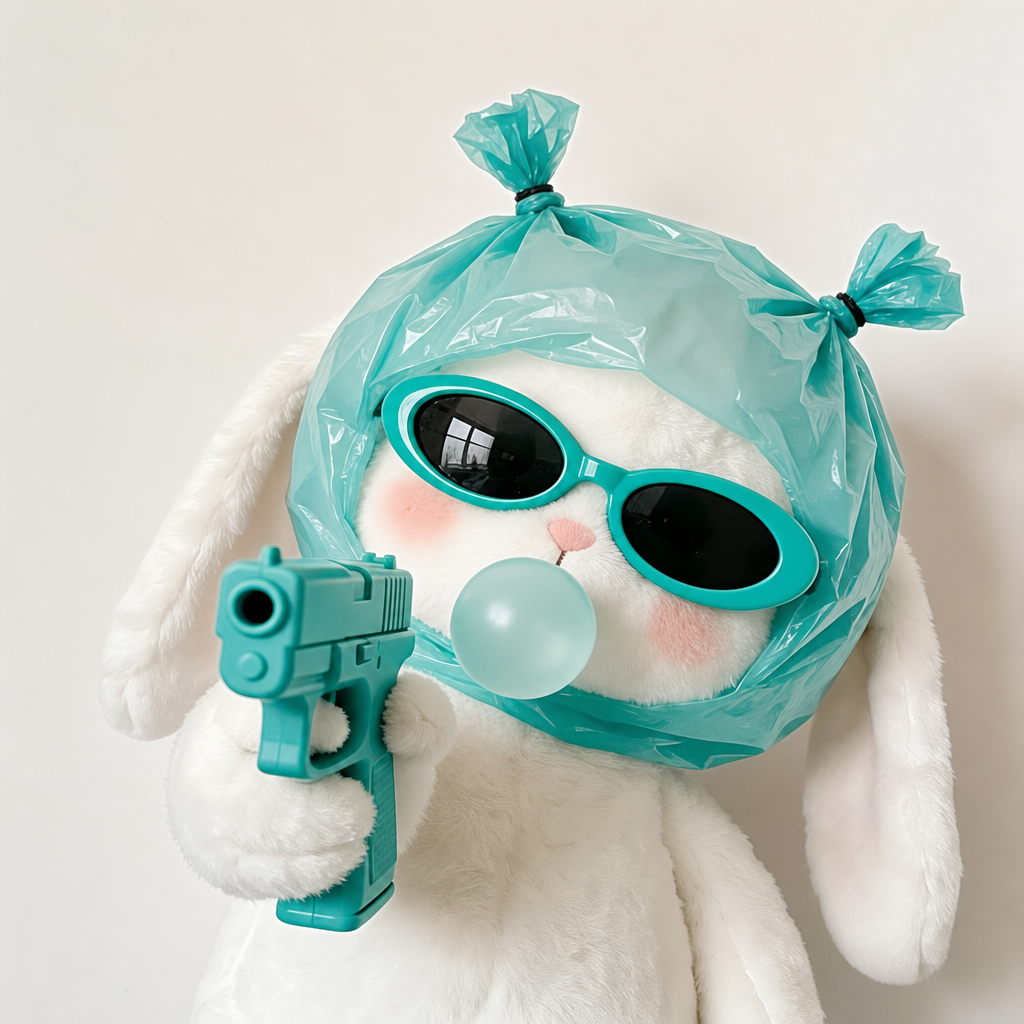
Teal-Accented Bunny Toy Studio Portrait