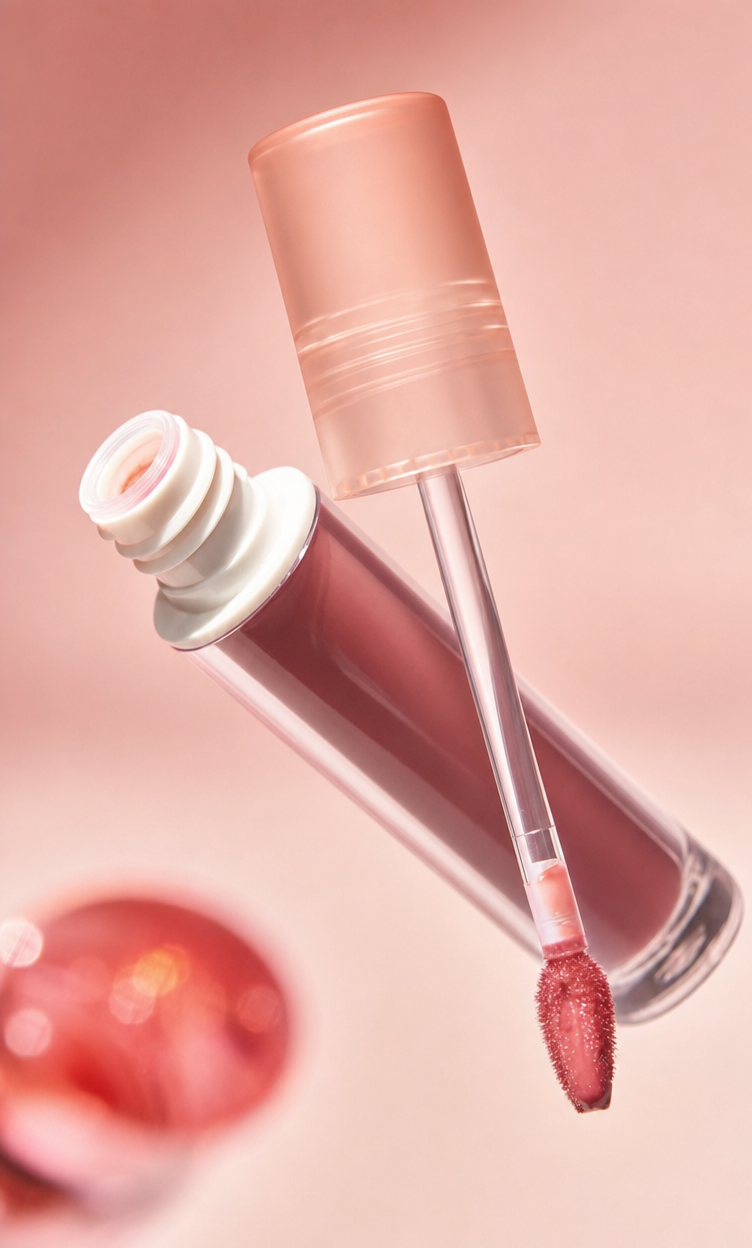
Why this works
The centered hero framing comes from “product photography framing” and the “product floating diagonally,” while “shallow depth of field” keeps the mauve lip tint tube and doe-foot applicator as the crisp focal point. The soft premium mood is anchored by “smooth warm-rose gradient background,” “clean premium studio lighting,” and “gentle specular sheen,” with “glossy clear plastic packaging” supplying the controlled white highlights and reflections visible against the beige-red palette. “Elegant minimal composition” limits visual clutter so the diagonal tube reads as the primary shape.
FAQ
→How do I make the mauve tube feel more dramatic and luxurious?
Replace “clean premium studio lighting with gentle specular sheen” with “dramatic directional spotlight with deep sculpted shadows and a narrow rim light,” and change “dreamy polished mood” to “high-contrast editorial luxury mood.” Keep “glossy clear plastic packaging” to preserve sharp reflective highlights.
→How do I make the frosted peach cap and doe-foot applicator more prominent?
Replace “shallow depth of field” with “extended depth of field with the tube, frosted peach cap, and doe-foot applicator all sharply focused.” Change “floating diagonally” to “upright three-quarter product pose with the applicator wand angled forward,” which gives the cap and wand clearer visual priority.
→How do I build a different product variation from this prompt while keeping the same advertising style?
Swap “mauve lip tint cosmetic tube with a frosted peach cap” for a specific replacement such as “cobalt-blue serum bottle with a white dropper cap,” and replace “warm-rose gradient background” with “cool lavender-to-white gradient background.” Retain “photorealistic commercial product photography,” “premium cosmetics advertising aesthetic,” “glossy clear plastic packaging,” and “elegant minimal composition” to keep the series visually consistent.
Learn the technique behind this
- Why can't AI spell, and how do I get readable text in an image? — Older diffusion models had no character-level representation of text, so they produced letterform-shaped texture instead of words.
- How should a prompt be structured, and does word order matter? — A prompt that behaves predictably names one subject first, then what it is doing, then where, then the light, then the lens or medium, then the style.
- Do negative prompts work, and what should go in one? — Negative prompts work on models that support a separate negative conditioning channel — mainly Stable Diffusion and FLUX-family models.
Related prompts
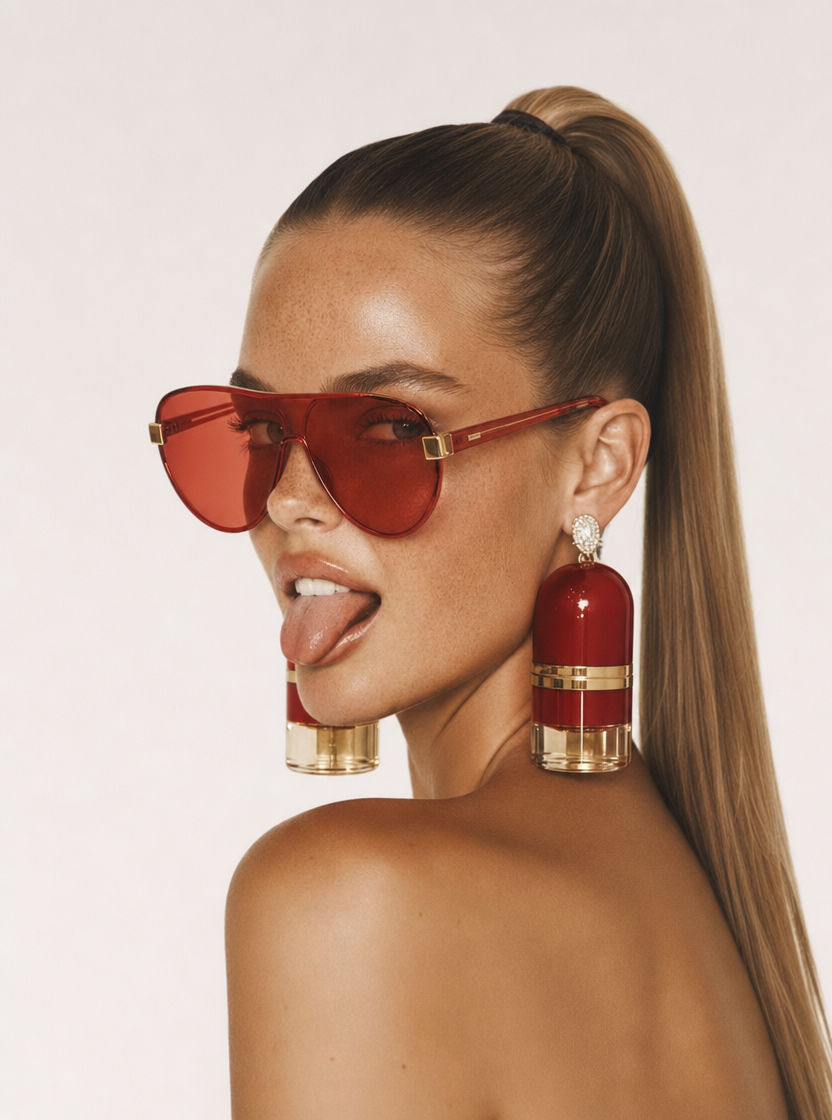
Playful brunette beauty ad portrait
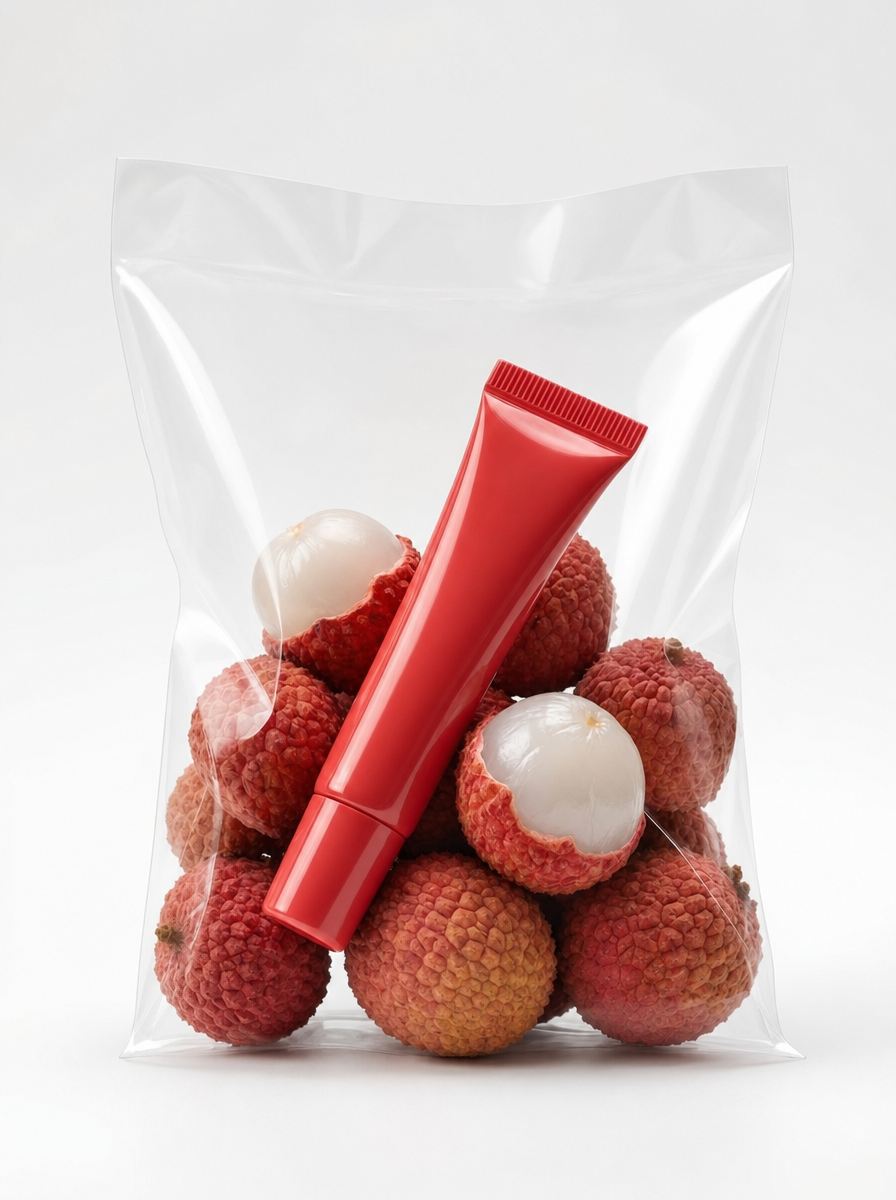
Red Lip Balm with Lychee Freshness
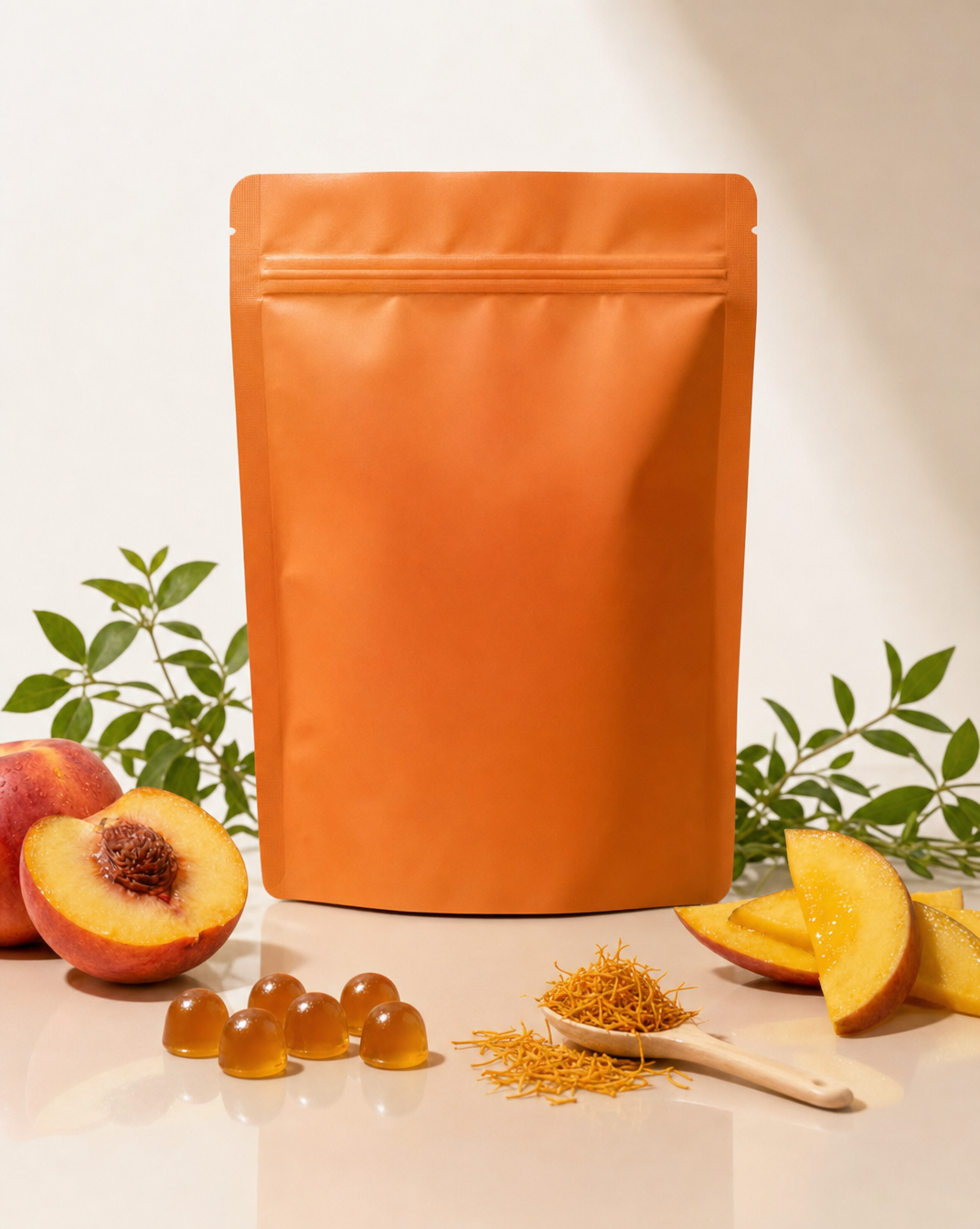
Premium wellness pouch with golden spices

Teal-Accented Bunny Toy Studio Portrait