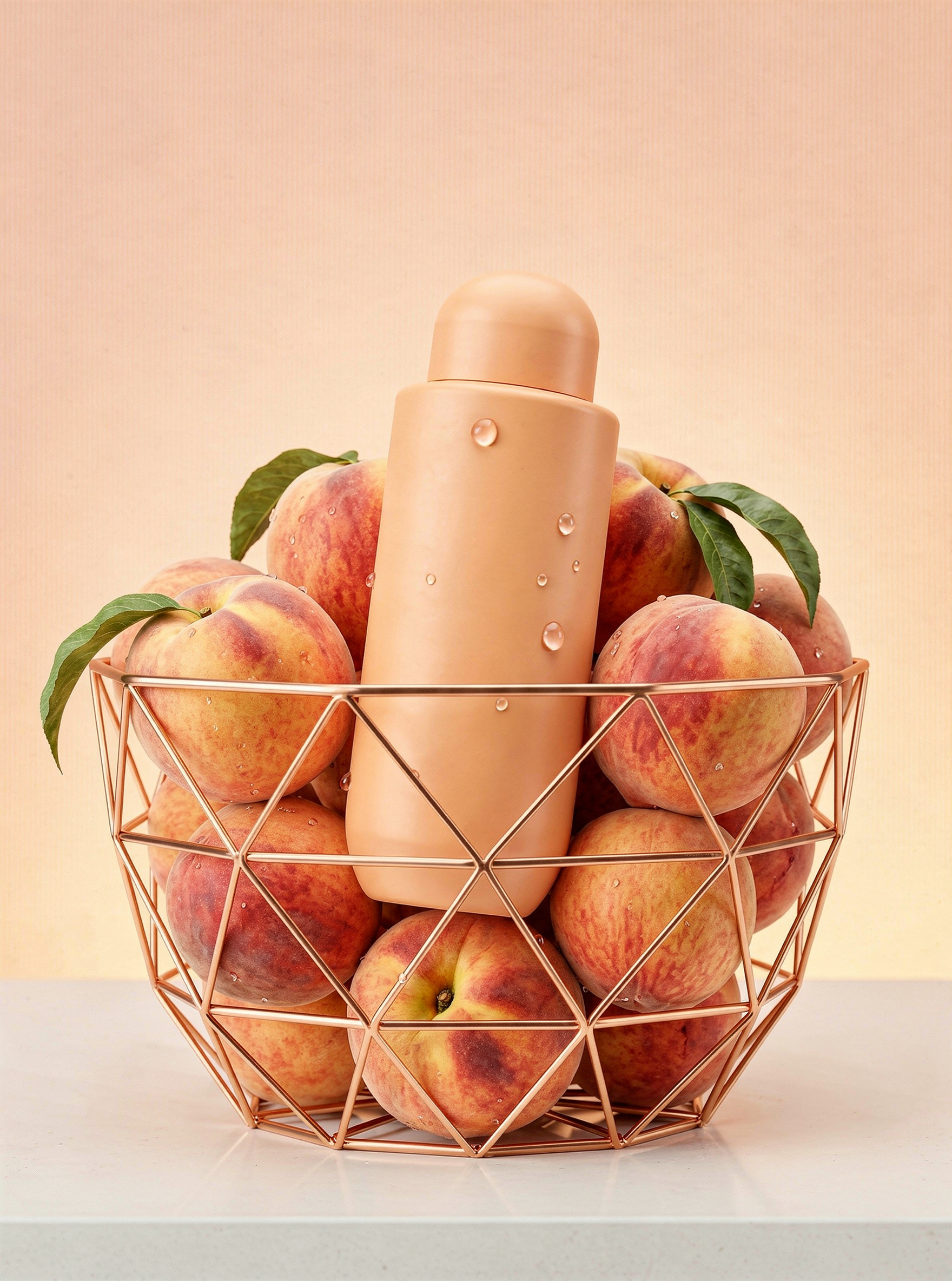
Same prompt, generated with each model separately — click one to see how it holds up.
Why this works
The centered composition and the phrase “a single magnifying glass” make the object the unmistakable focal point, while “shallow depth of field” isolates its rim and handle from the matte black work surface. “Warm amber and pale cream gradient background lighting” supplies the beige glow against the black ground, and “clean controlled reflections” plus “visible glass refraction and edge highlights” give the lens its crisp, engineered presence. The “minimal calm futuristic aesthetic” and “subtle atmospheric haze” soften the otherwise precise product-shot geometry without disturbing the centered framing.
FAQ
→How do I change this prompt to make the magnifying glass feel more dramatic and high-contrast?
Replace “Soft warm amber and pale cream gradient background lighting with smooth studio illumination” with “hard directional blue-white spotlight from the upper left, deep black shadows, and a narrow rim light.” Keep “matte black work surface,” but remove “subtle atmospheric haze” so the contrast stays sharp.
→How do I make the lens more prominent than the full magnifying glass?
Replace “centered composition” with “extreme close-up centered on the circular lens,” and change “shallow depth of field” to “macro focus on the glass surface, handle fading completely out of frame.” Retain “visible glass refraction and edge highlights” to preserve the lens-specific detail.
→How do I build a variation series while keeping this product-shot identity?
Keep “photorealistic minimal studio product shot,” “crisp high-detail photorealistic rendering,” and “clean controlled reflections,” then vary one controlled phrase per image: replace “matte black work surface” with “brushed aluminum,” “dark walnut,” or “frosted white acrylic,” and replace “warm amber and pale cream” with “cool cyan and silver” or “soft rose and ivory.”
Learn the technique behind this
- Why can't AI spell, and how do I get readable text in an image? — Older diffusion models had no character-level representation of text, so they produced letterform-shaped texture instead of words.
- How should a prompt be structured, and does word order matter? — A prompt that behaves predictably names one subject first, then what it is doing, then where, then the light, then the lens or medium, then the style.
- Do negative prompts work, and what should go in one? — Negative prompts work on models that support a separate negative conditioning channel — mainly Stable Diffusion and FLUX-family models.
Related prompts
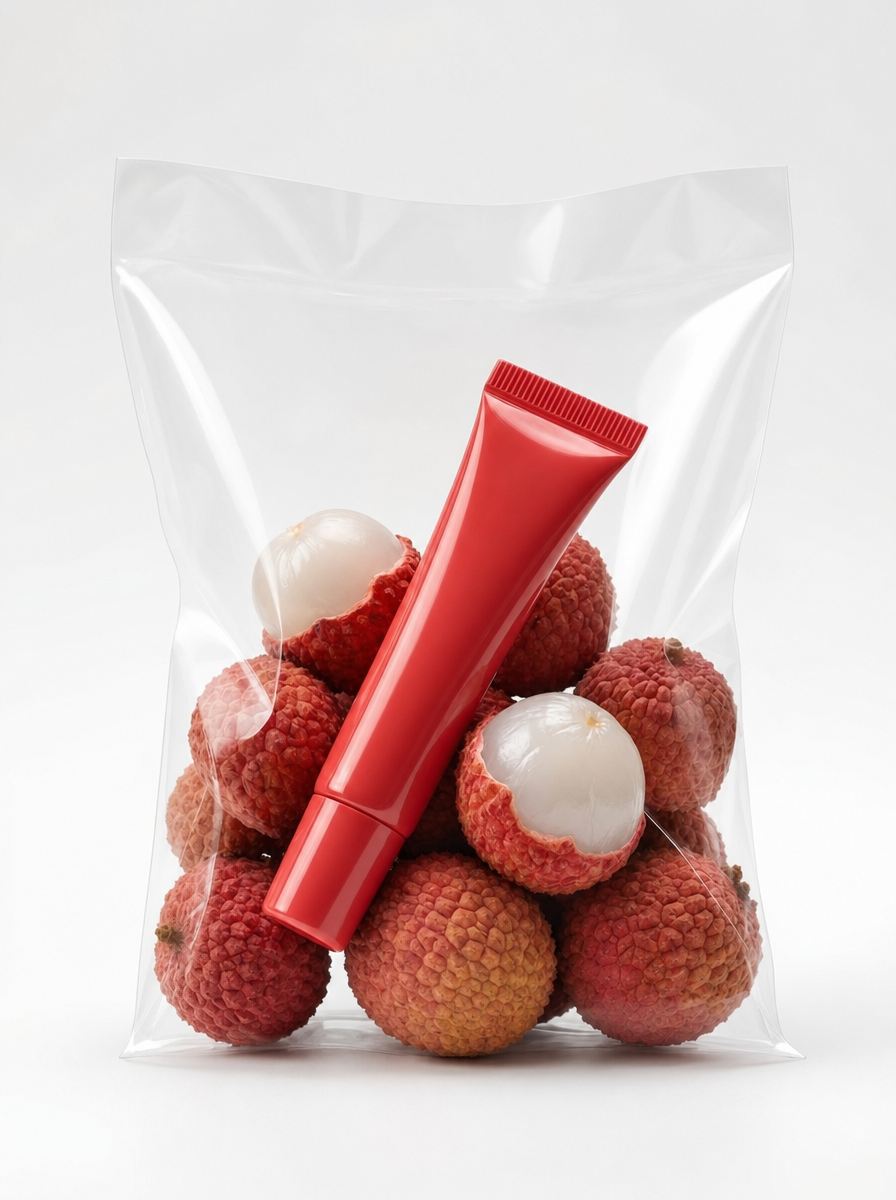
Red Lip Balm with Lychee Freshness
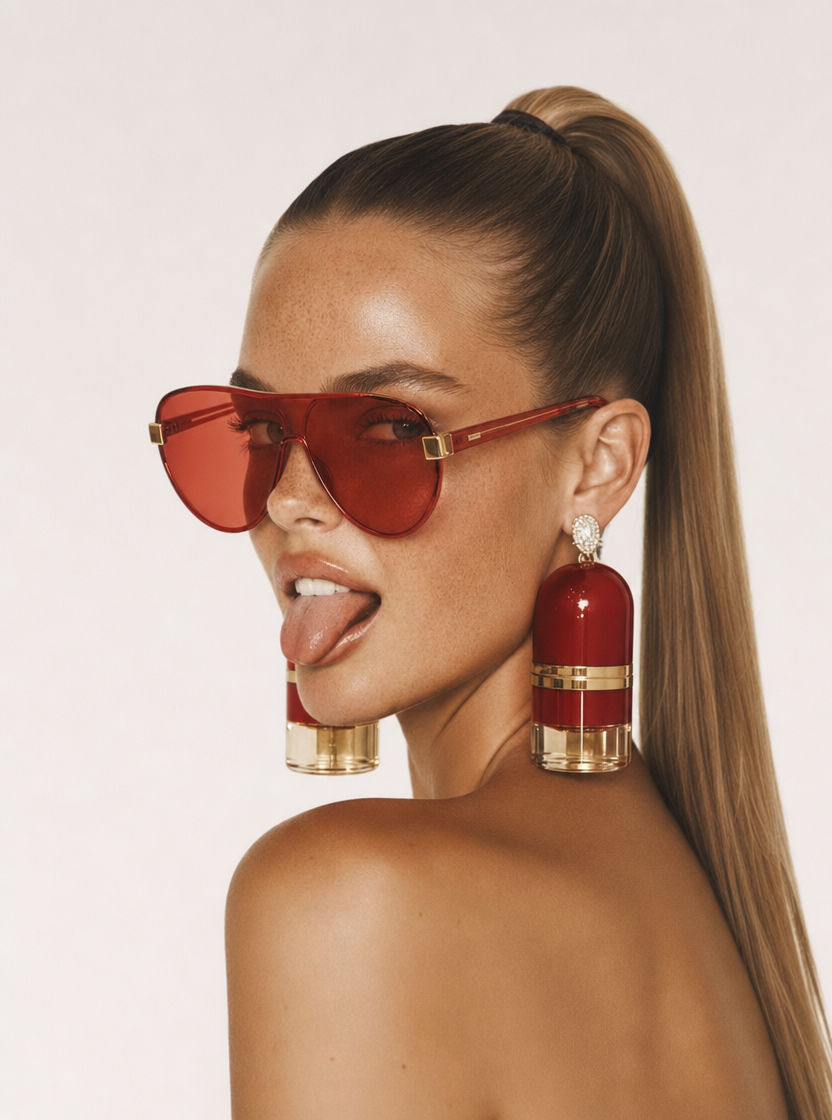
Playful brunette beauty ad portrait
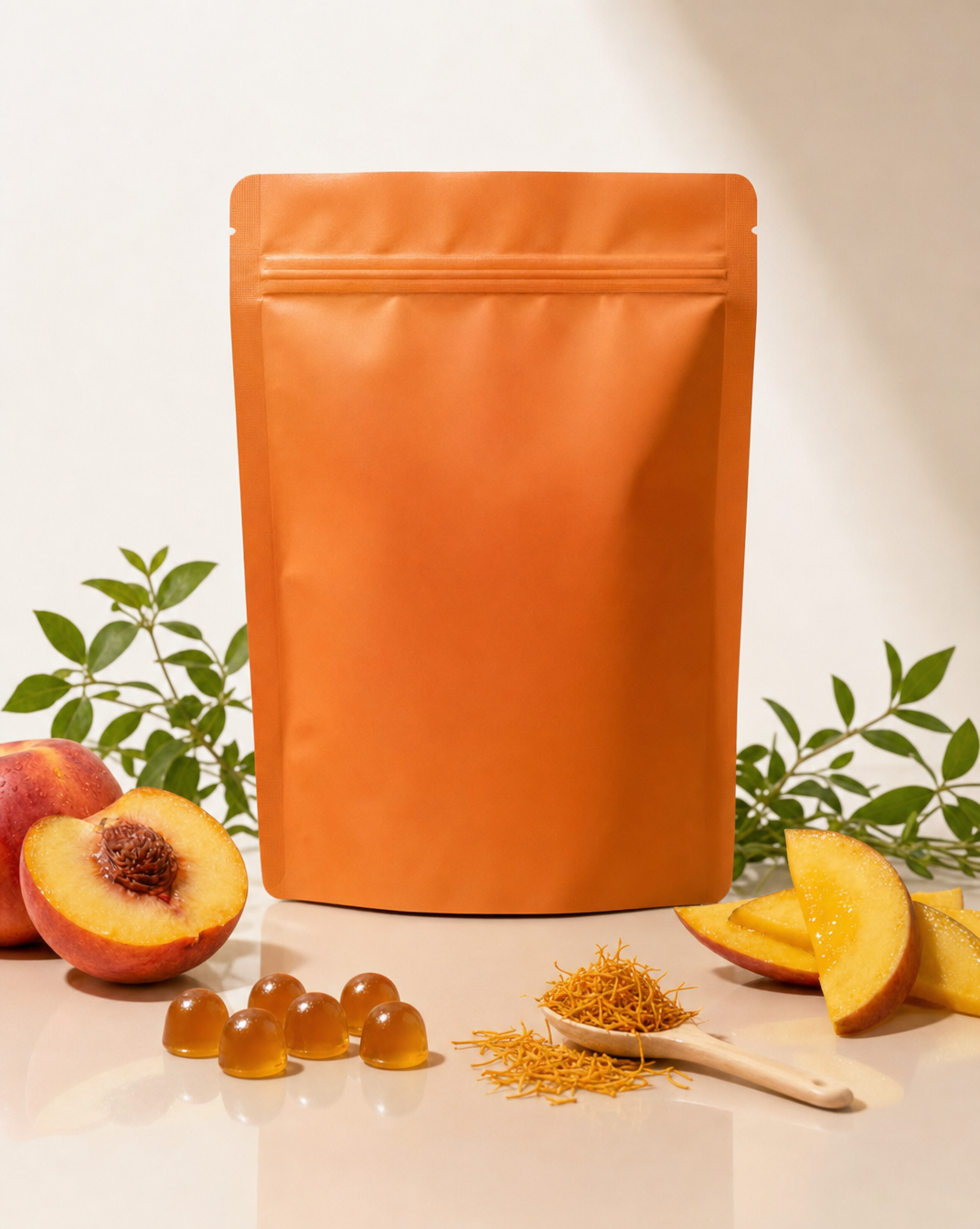
Premium wellness pouch with golden spices
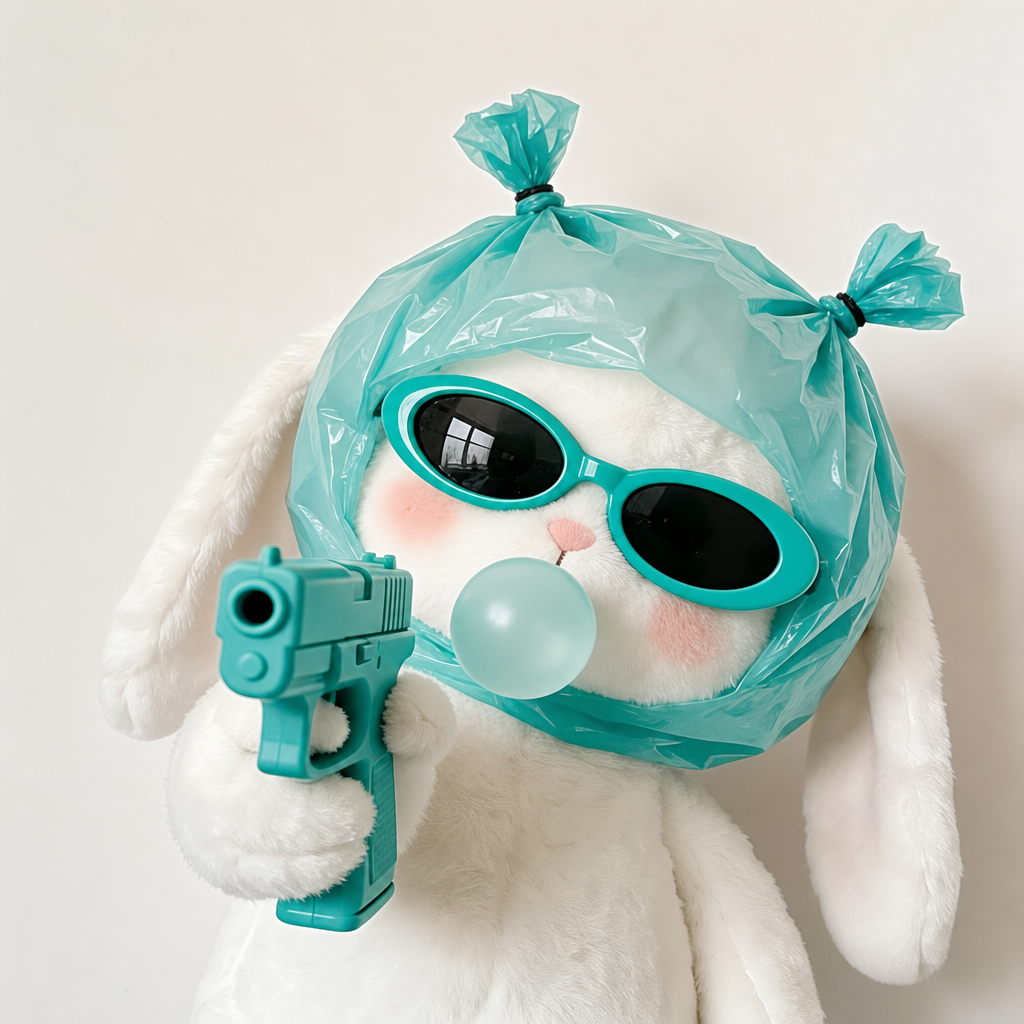
Teal-Accented Bunny Toy Studio Portrait