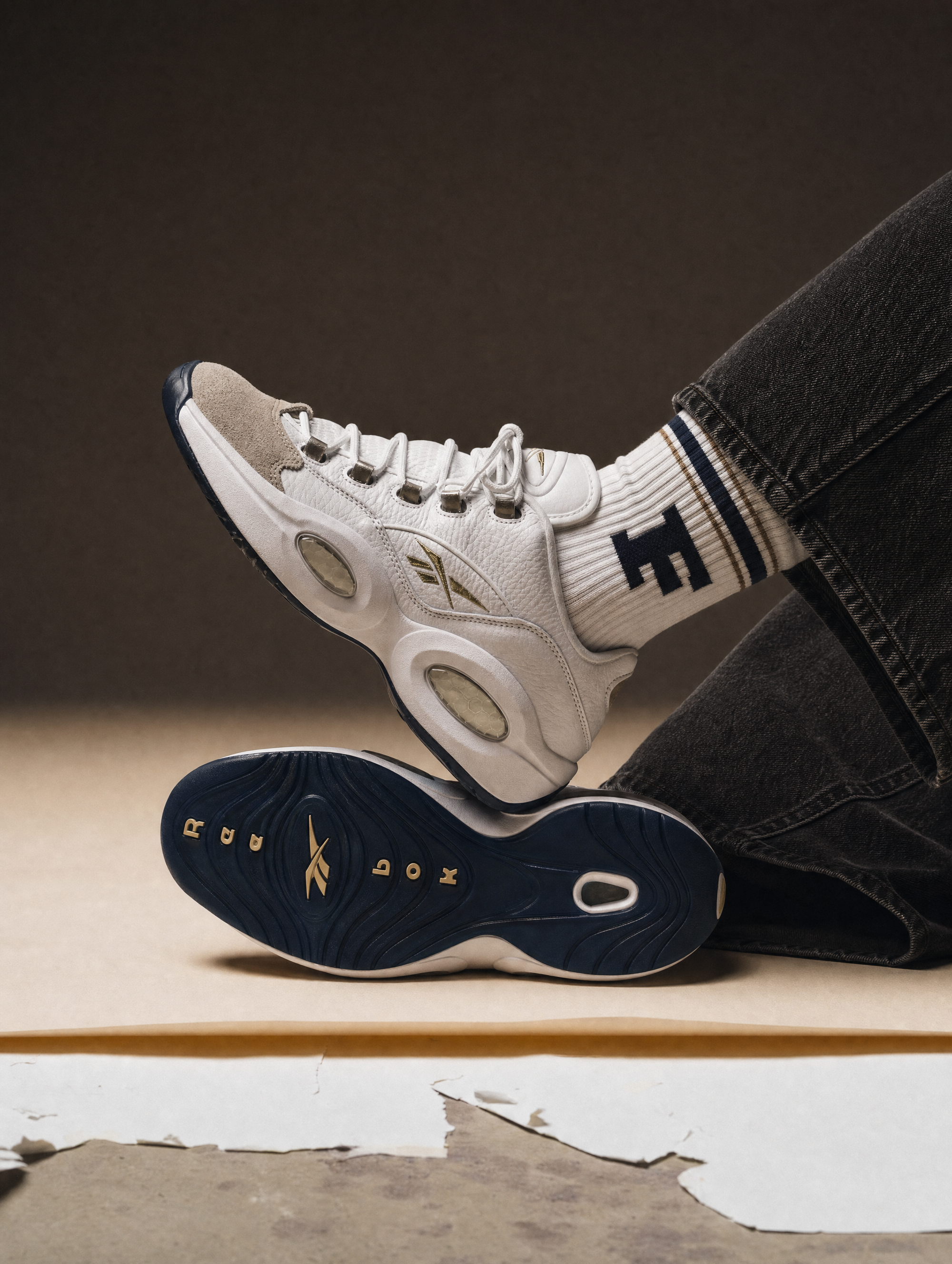
Why this works
The phrase “one foot is raised with the outsole facing the camera” gives the centered composition a clear graphic anchor, while “close-up focus on outsole and midsole details” directs attention to tread, cushioning, and rubber texture. “Minimal dark background” separates the white-and-blue sneakers and dark charcoal jeans into a controlled black, white, navy, and brown palette, and “soft directional lighting” preserves the polished commercial mood without flattening the materials. “Shallow depth of field” keeps the outsole and midsole crisp while gently reducing distraction from the jeans and background.
FAQ
→How do I make the sneaker upper more central than the outsole?
Replace “one foot is raised with the outsole facing the camera” with “both sneakers shown in a three-quarter side view, uppers facing the camera,” and change “close-up focus on outsole and midsole details” to “close-up focus on the blue-and-white upper, laces, stitching, and cushioning.”
→How do I make this product image feel more dramatic and high-contrast?
Replace “soft directional lighting” with “hard directional spotlight with deep shadows and a narrow rim light,” and replace “minimal dark background” with “black studio background with subtle gradient falloff.” Keep “crisp, realistic textures” to retain visible tread, leather, and rubber detail.
→How do I create a matching variation with a different setting?
Replace “minimal dark studio background” with “polished indoor basketball court with softly blurred hardwood and backboard,” while keeping “studio product framing,” “one foot is raised with the outsole facing the camera,” and “shallow depth of field.” For a coordinated series, swap only the background phrase and vary the sneaker colorway, such as “red-and-white” or “black-and-gold.”
Learn the technique behind this
- Why can't AI spell, and how do I get readable text in an image? — Older diffusion models had no character-level representation of text, so they produced letterform-shaped texture instead of words.
- How should a prompt be structured, and does word order matter? — A prompt that behaves predictably names one subject first, then what it is doing, then where, then the light, then the lens or medium, then the style.
- Do negative prompts work, and what should go in one? — Negative prompts work on models that support a separate negative conditioning channel — mainly Stable Diffusion and FLUX-family models.
Related prompts
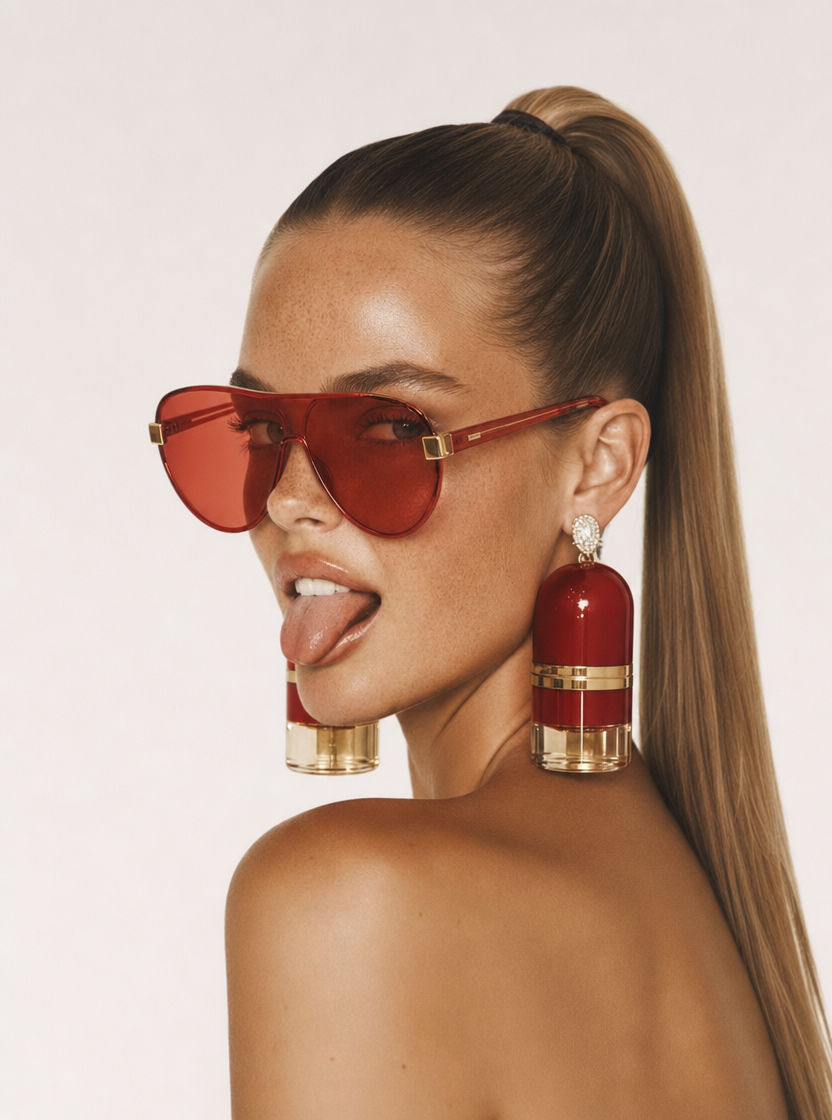
Playful brunette beauty ad portrait
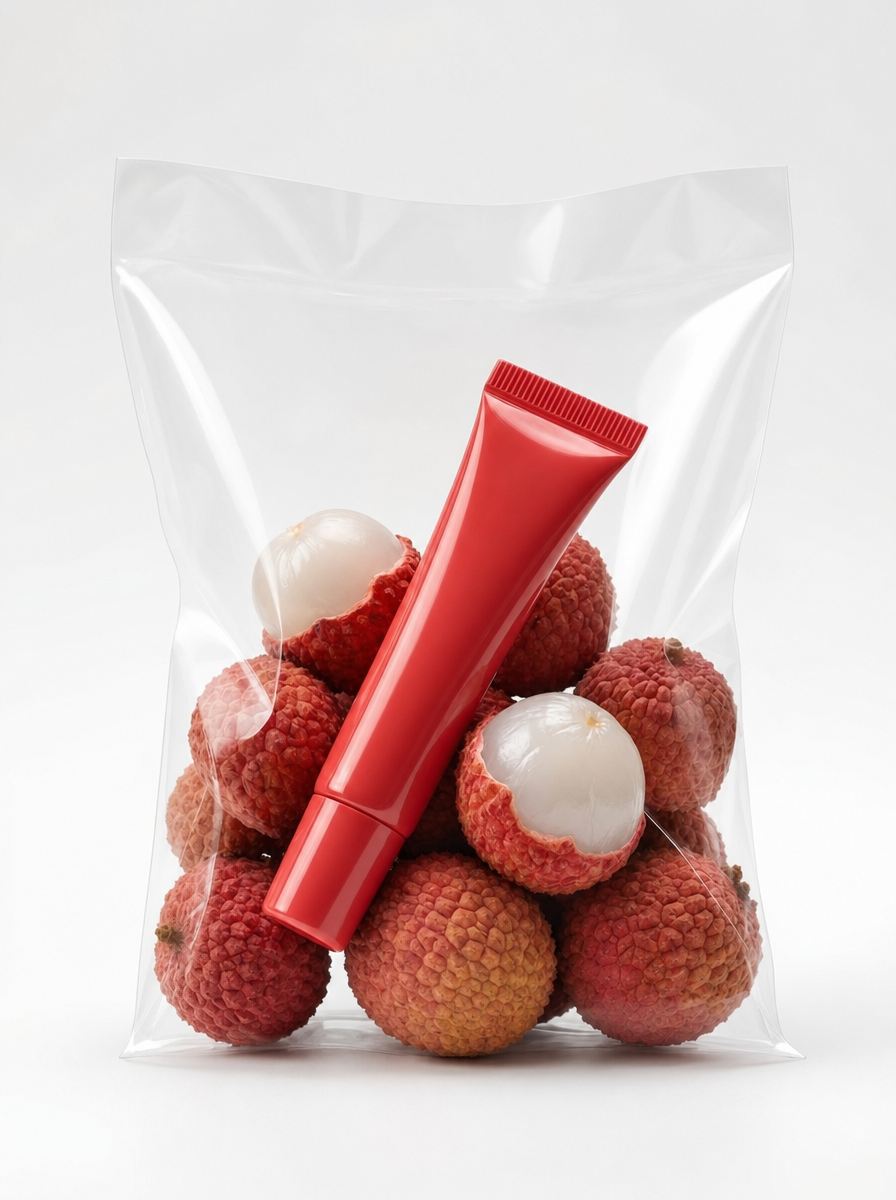
Red Lip Balm with Lychee Freshness
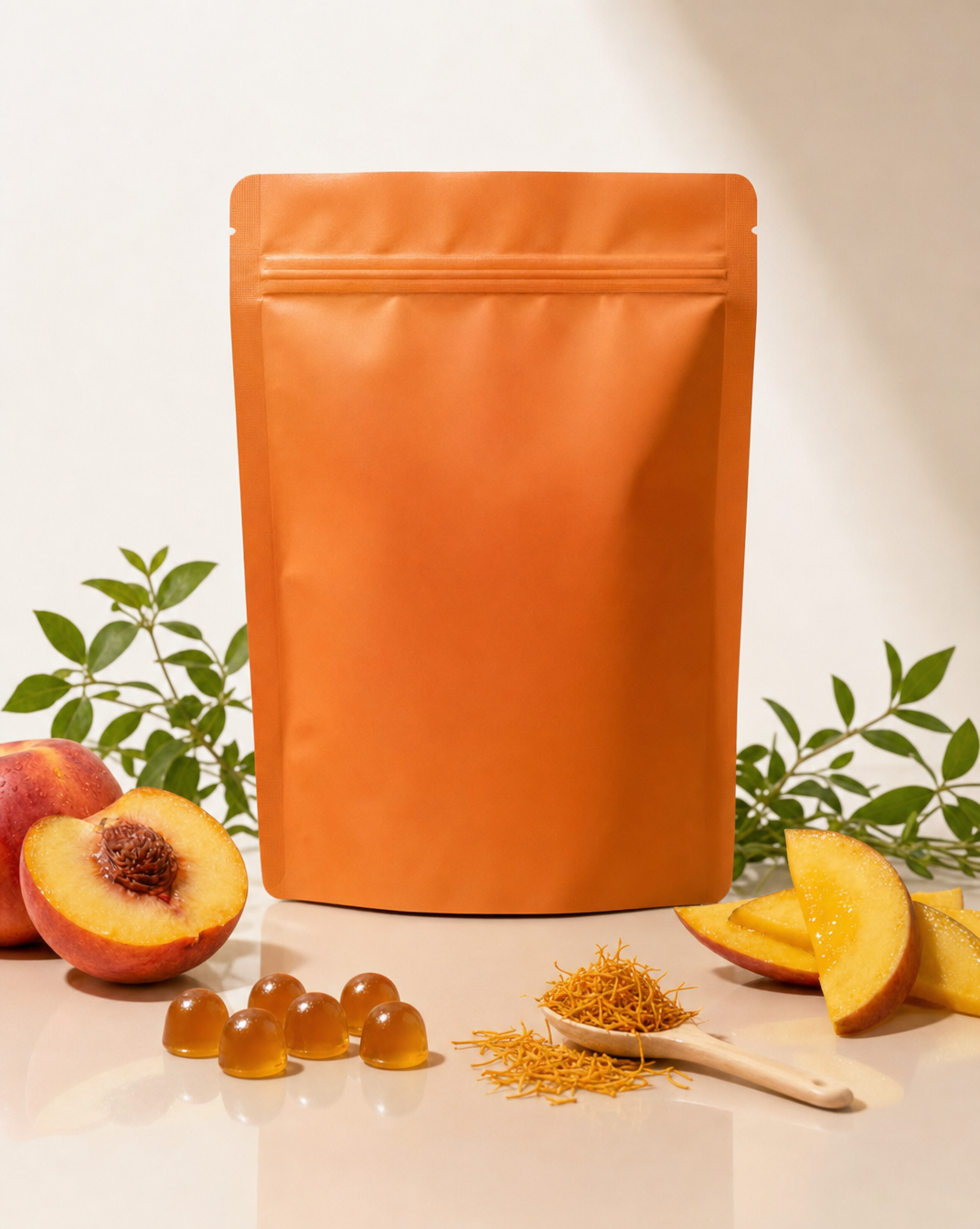
Premium wellness pouch with golden spices
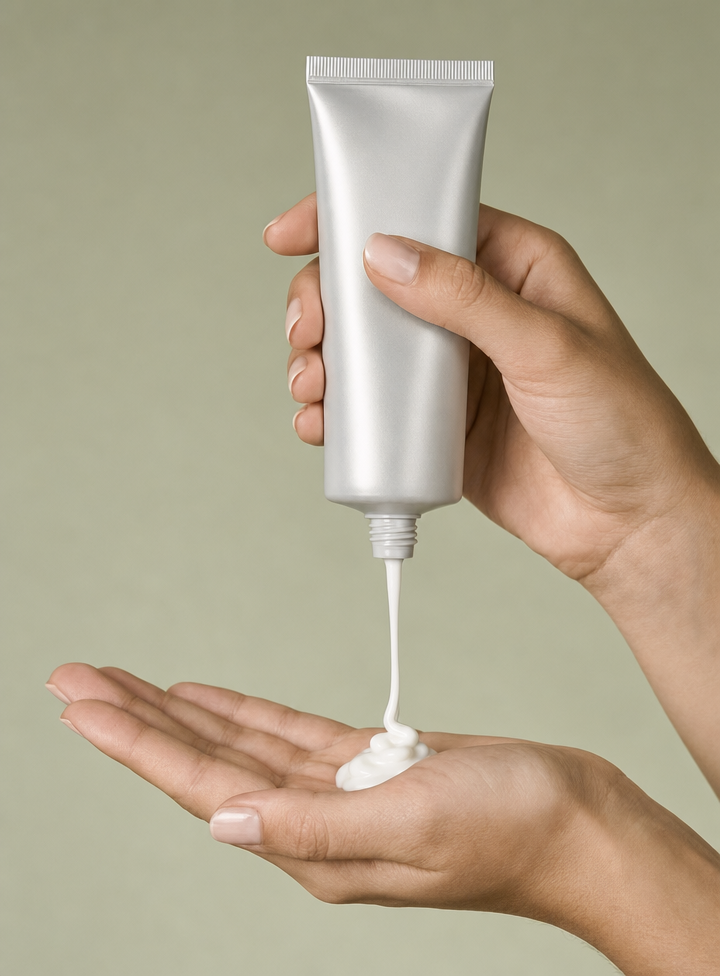
Silver BB cream tube dispensing into palm