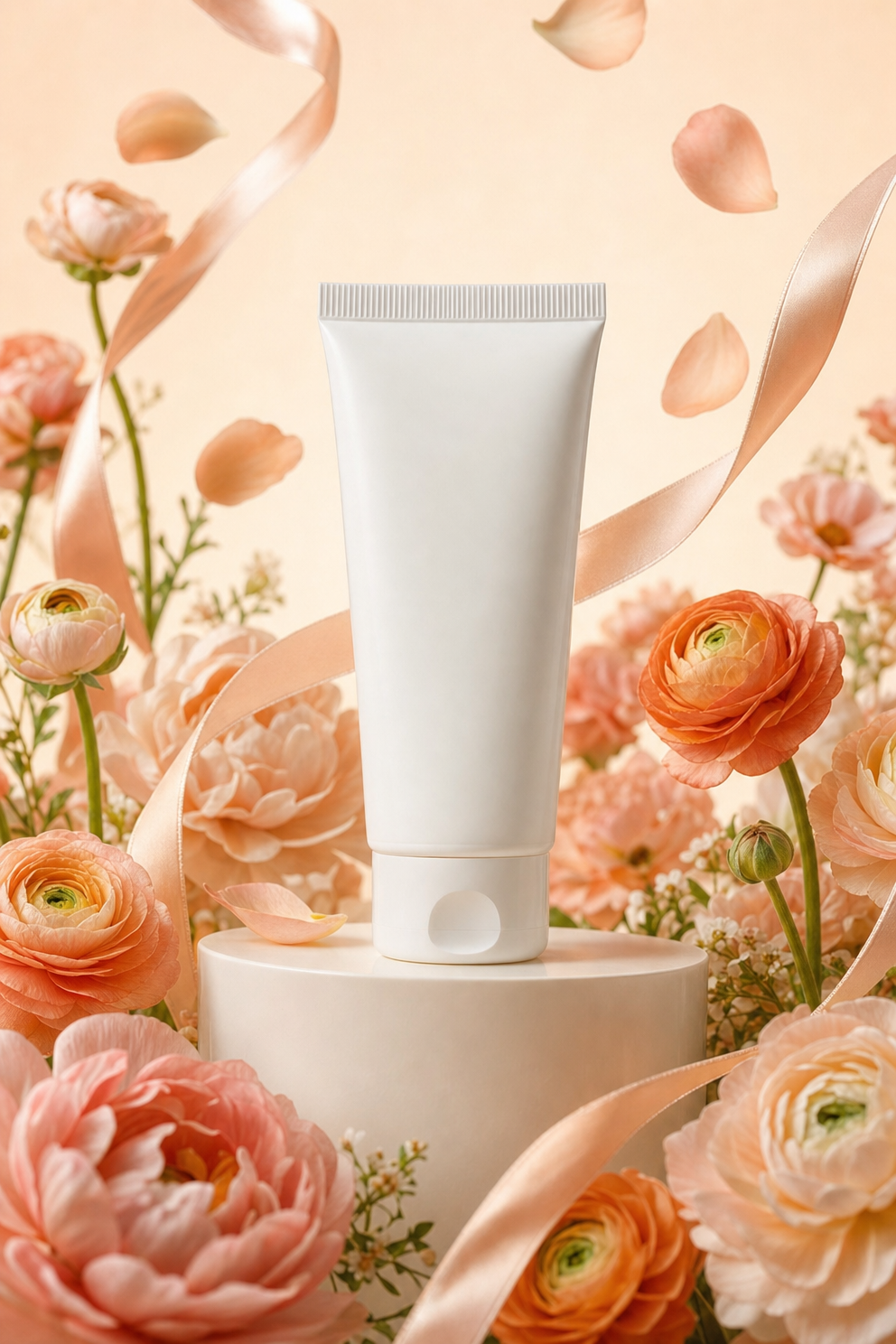
Why this works
The centered white cosmetic tube and “close-up commercial product framing” make the product the immediate focal point, while “abundant warm blush and apricot flowers” build a circular frame around it. “Soft creamy background” and “airy studio lighting with soft highlights and gentle shadows” produce the pale white, pink, and orange palette with a gentle premium mood; “shallow depth of field” keeps the tube crisp while softening petals and background details. “Subtle satin ribbon accents” and “a few petals gently floating” add controlled movement without disrupting the clean “minimal pedestal” composition.
FAQ
→How do I make the flowers more prominent than the skincare tube?
Replace “centered white cosmetic tube” with “white cosmetic tube positioned slightly lower and partially framed by oversized flowers,” and change “abundant warm blush and apricot flowers” to “large foreground blush and apricot peonies dominating the composition.” Replace “photorealistic focus on the tube” with “sharp focus on the foreground flowers and tube together.”
→How do I shift this from romantic beauty advertising to a cooler, clinical skincare mood?
Replace “warm blush and apricot flowers” with “sparse white orchids and pale green leaves,” and change “airy romantic studio lighting with soft highlights and gentle shadows” to “bright neutral laboratory lighting with precise, clean shadows.” Replace “soft creamy background” with “cool white and pale gray background,” while keeping “photorealistic commercial beauty product photography” for the polished campaign finish.
→How do I create a coordinated series of variations from this prompt?
Keep “centered white cosmetic tube,” “close-up commercial product framing,” and “soft creamy background” unchanged, then swap the accent set in each version: “warm blush and apricot flowers” for lavender flowers, ivory roses, or pale yellow ranunculus; replace “subtle satin ribbon accents” with matching glass beads, folded silk, or translucent leaves. Keep “shallow depth of field” and “airy studio lighting” consistent so the series retains the same visual language.
Learn the technique behind this
- Why can't AI spell, and how do I get readable text in an image? — Older diffusion models had no character-level representation of text, so they produced letterform-shaped texture instead of words.
- How should a prompt be structured, and does word order matter? — A prompt that behaves predictably names one subject first, then what it is doing, then where, then the light, then the lens or medium, then the style.
- Do negative prompts work, and what should go in one? — Negative prompts work on models that support a separate negative conditioning channel — mainly Stable Diffusion and FLUX-family models.
Related prompts
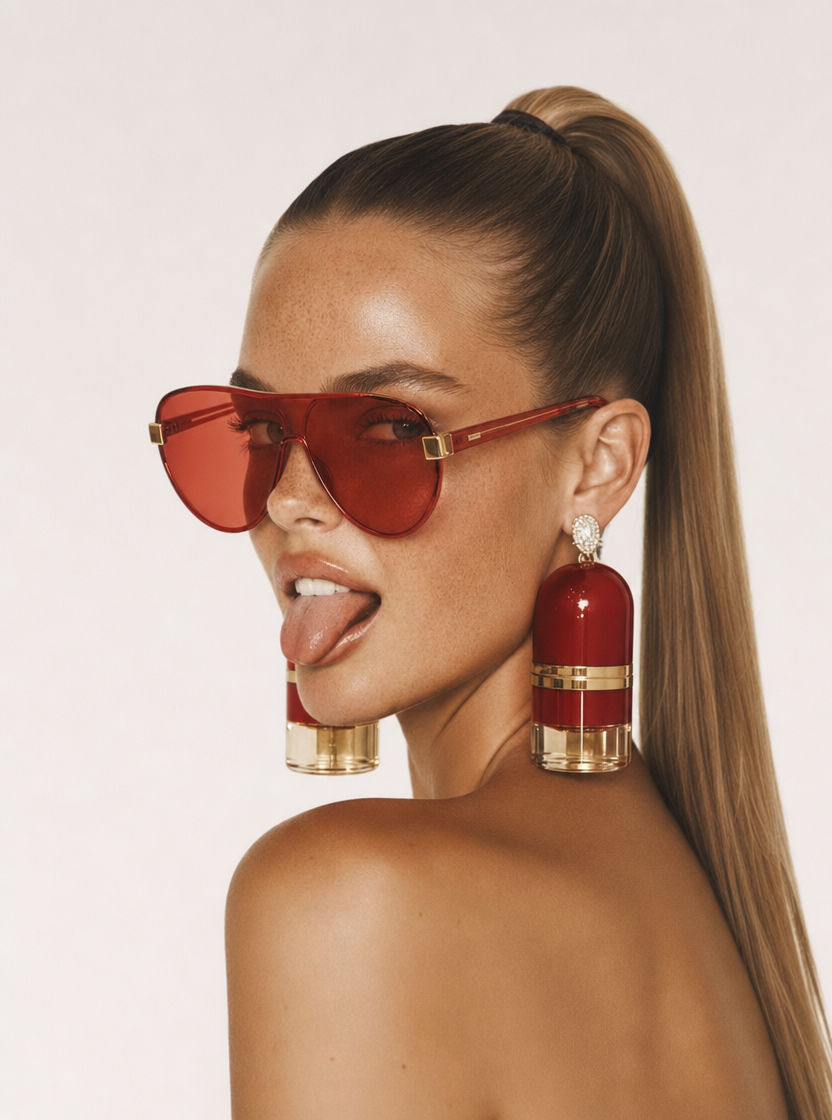
Playful brunette beauty ad portrait
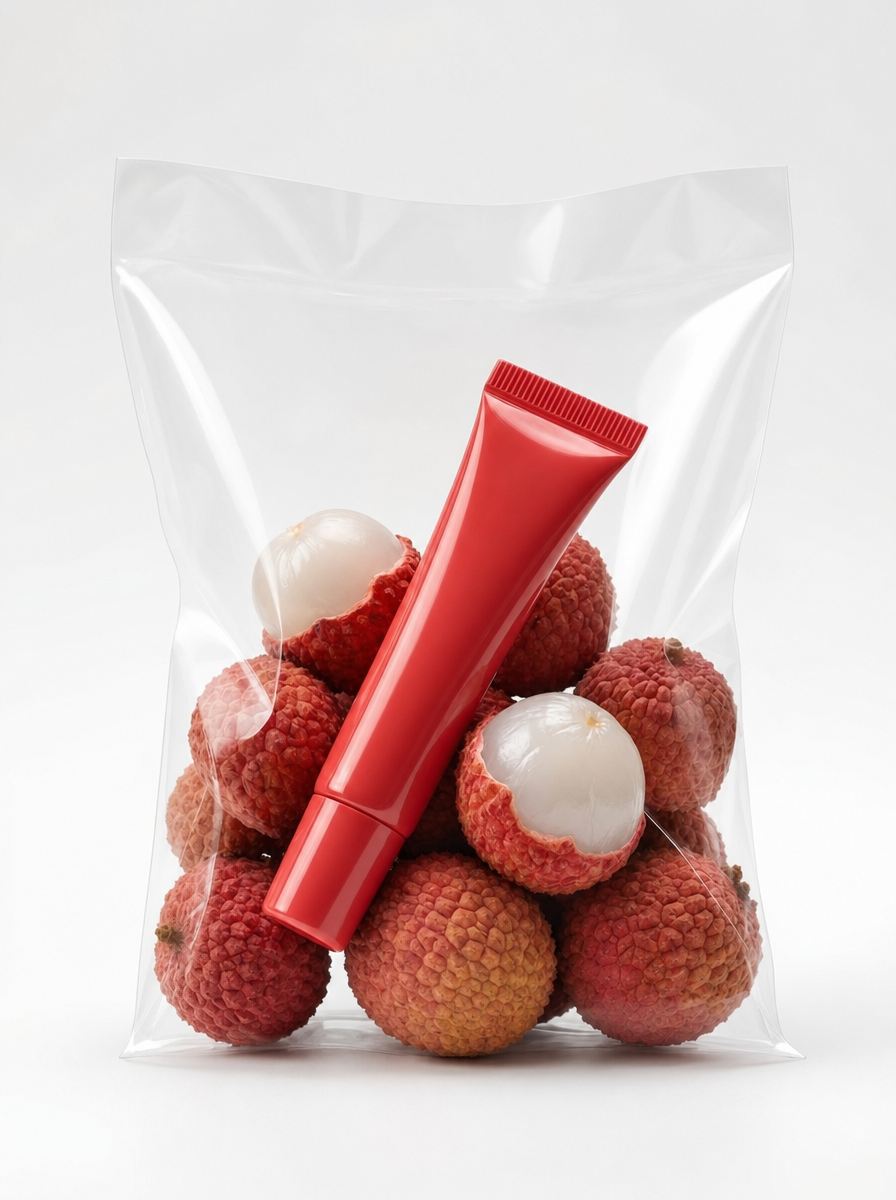
Red Lip Balm with Lychee Freshness
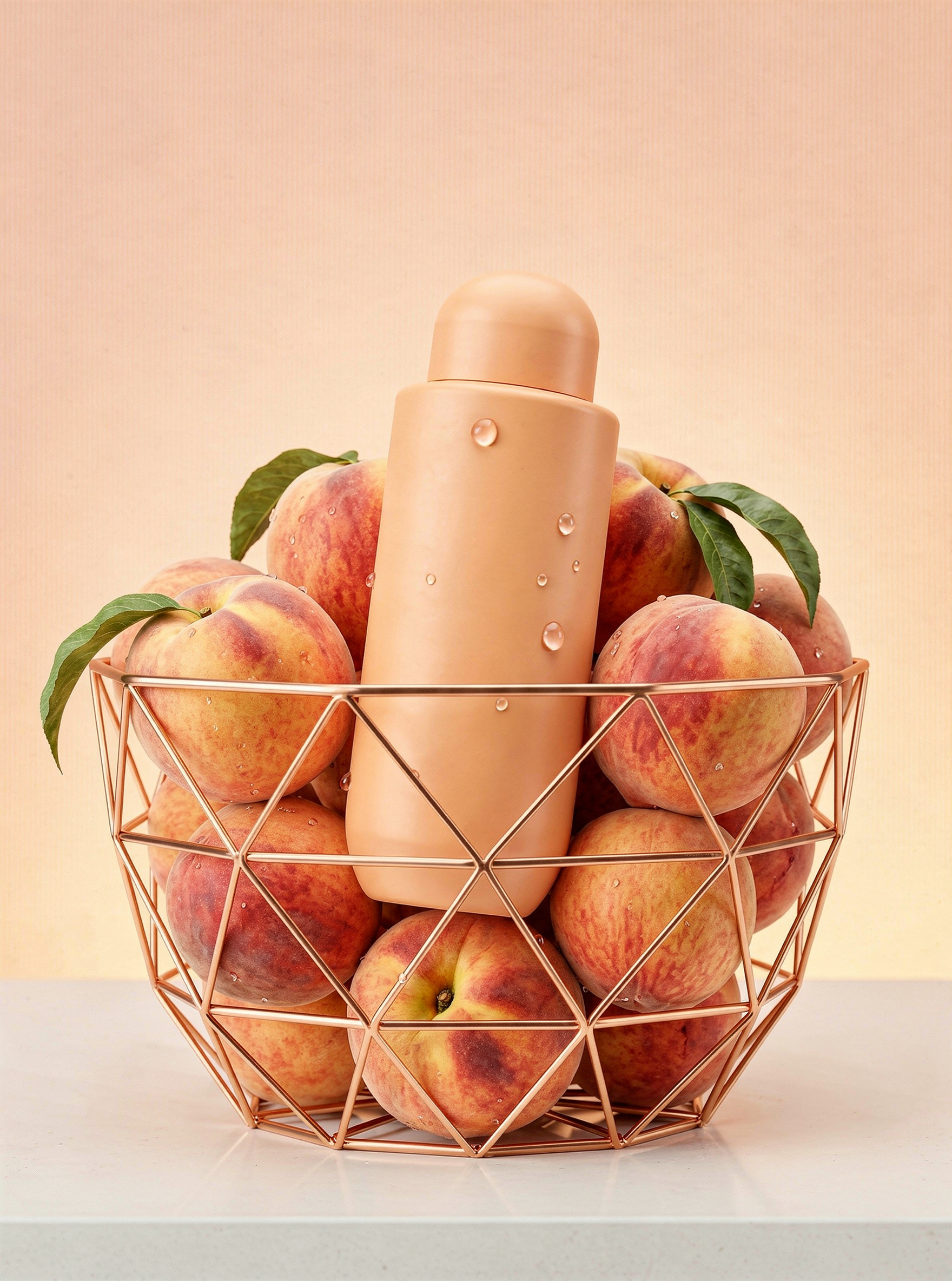
Pastel apricot body bottle in rose-gold peach basket
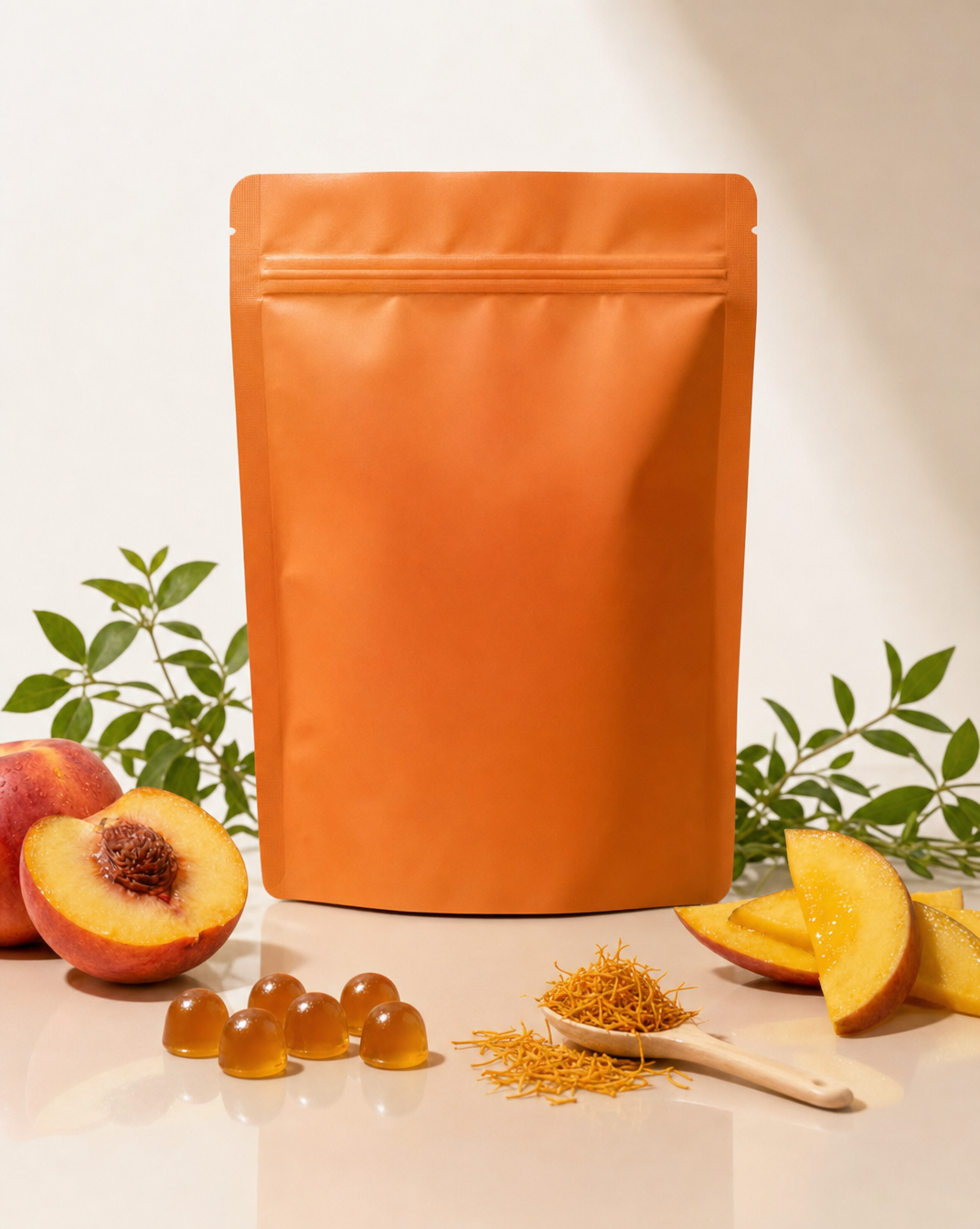
Premium wellness pouch with golden spices